

Overview:
- Michigan regulators approve air quality permit for Marathon Petroleum's Southwest Detroit refinery.
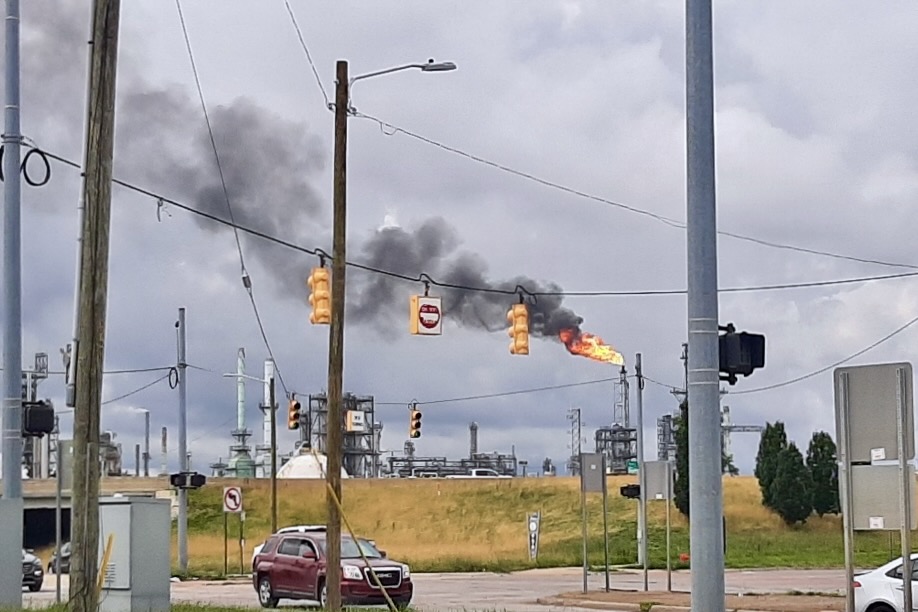
- The decision follows a July 5 power outage that caused the refinery to burn excess gas, prompting road closures and health concerns among nearby residents.
- State regulators expect the expansion to increase emissions of ozone-forming pollutants and sulfur dioxide in an environmentally burdened community.
Michigan regulators approved air quality permits Thursday for Marathon Petroleum and MPLX Terminals in Southwest Detroit, less than a month after a flaring event at the oil refinery.
🗳️ Civic Action Toolbox
Why it matters
The expanded oil refinery operations will increase air pollution in Southwest Detroit’s already heavily burdened 48217 zip code, potentially worsening respiratory health risks for residents.
Who's making public decisions
The Michigan Department of Environment, Great Lakes, and Energy approved the Marathon Petroleum air quality permit after reviewing public comments and holding a hearing attended by over 60 people.
Upcoming Meetings
Contact Your Representatives
Civic Actions: What You Can Do
Organizations to Follow
What to watch for next
Monitor Marathon’s enhanced air monitoring program reports over the next six years, which will track carbon monoxide, particulate matter, sulfur dioxide, and volatile organic compounds at four locations near the refinery.
Are you taking action? Let us know.
Civic resources compiled by Planet Detroit
The proposals to expand a rail system and increase fuel loading were approved with added conditions from the Michigan Department of Environment, Great Lakes, and Energy (EGLE).
State regulators estimate the projects will increase emissions of ozone-forming pollutants and sulfur dioxide.
Marathon is a refinery located across I-75 from the Kemeny Recreation Center that produces gasoline, fuel oils, asphalt, propane, and other products, according to an EGLE technical fact sheet.
EGLE is requiring Marathon to extend its enhanced air monitoring program for at least six years after the issuance of the permit, and at no less than four locations.
The monitors track carbon monoxide, coarse particulate matter, sulfur dioxide, volatile organic compounds, and total reduced sulfur.
The condition was added in response to a public comment asking whether air monitors previously installed by Marathon have a cutoff date.
EGLE approved the permits with modifications to monitoring and reporting requirements after reviewing 27 comments collected during a public participation process, according to Chris Ethridge, assistant division director of the agency’s air quality division.
Regulators held a hybrid hearing attended by over 60 people, and a formal comment period.
Marathon burns off excess gas during power outage
A power outage prompted the refinery to burn off excess gas as a safety measure, Detroit Mayor Mary Sheffield said in a July 6 statement.
The incident resulted in health symptoms severe enough that nearby residents considered visiting urgent care, according to the Ecology Center, an environmental nonprofit.
Sheffield said the Detroit Fire Department’s hazmat unit tested the air near the refinery and found no health risk.
The new state permit adds missing language from an existing Environmental Protection Agency consent decree with Marathon, according to EGLE.
The provision deals with an “external utility loss” — a power interruption like the one that resulted in gas flares at the refinery earlier this month.
The EPA’s 2016 consent decree with Marathon stipulated the installation of flare gas recovery systems at refineries in five states. The systems recycle gases that would otherwise be combusted.
Details on Marathon refinery permit
The air permit requests filed by Marathon Petroleum Company and MPLX Terminals LLC for the “Feedstock & Fuels Flexibility Project” were approved as a single stationary pollution source.
Its project involves installing new oil feedstock equipment, modifying railcar loading processes, and changing some permit conditions, including removing some sulfur production limits on sulfur recovery units.
MPLX, a facility that fills tanker trucks with Marathon’s light petroleum products on a six-lane loading rack, submitted an air permit application to use a vapor combustion unit control device instead of a vapor recovery unit control device for a limited amount of time.
MORE AIR QUALITY COVERAGE
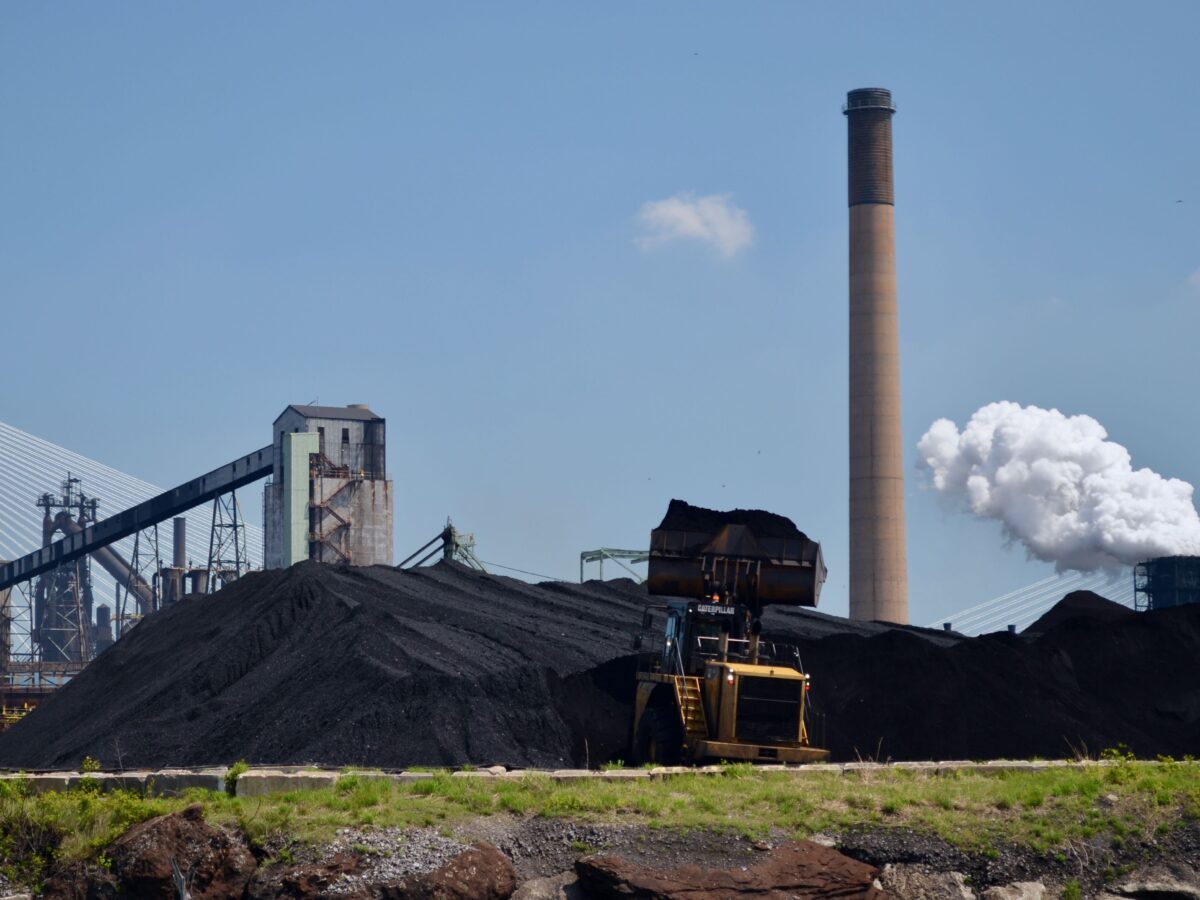
Federal judge to DTE: No delays for Clean Air Act compliance on Zug Island
DTE is appealing a $100-million judgment over sulfur dioxide pollution from its Zug Island subsidiary.


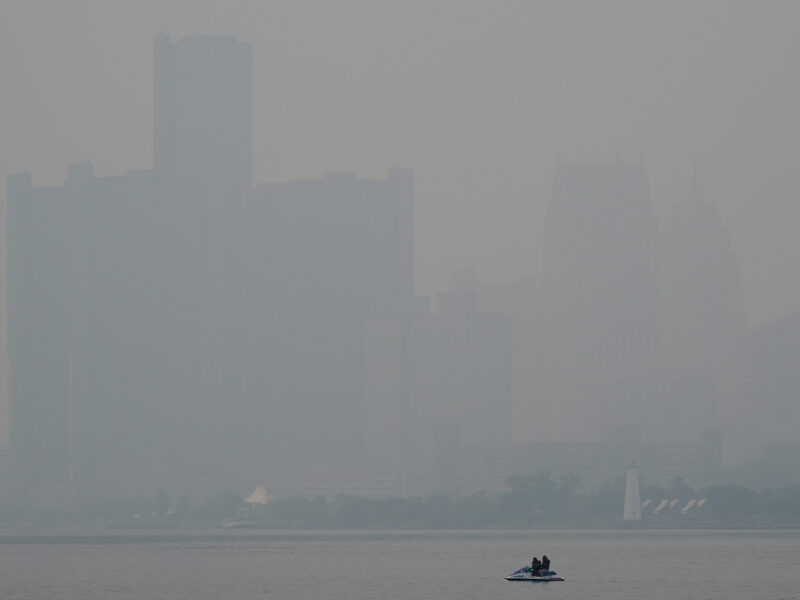
Detroit air quality is worst in city’s recorded history from Canadian wildfires
Detroit is experiencing its worst air quality since record-keeping began in 1999, with pollution levels reaching 650 on the air quality index Thursday due to thick wildfire smoke from Ontario.

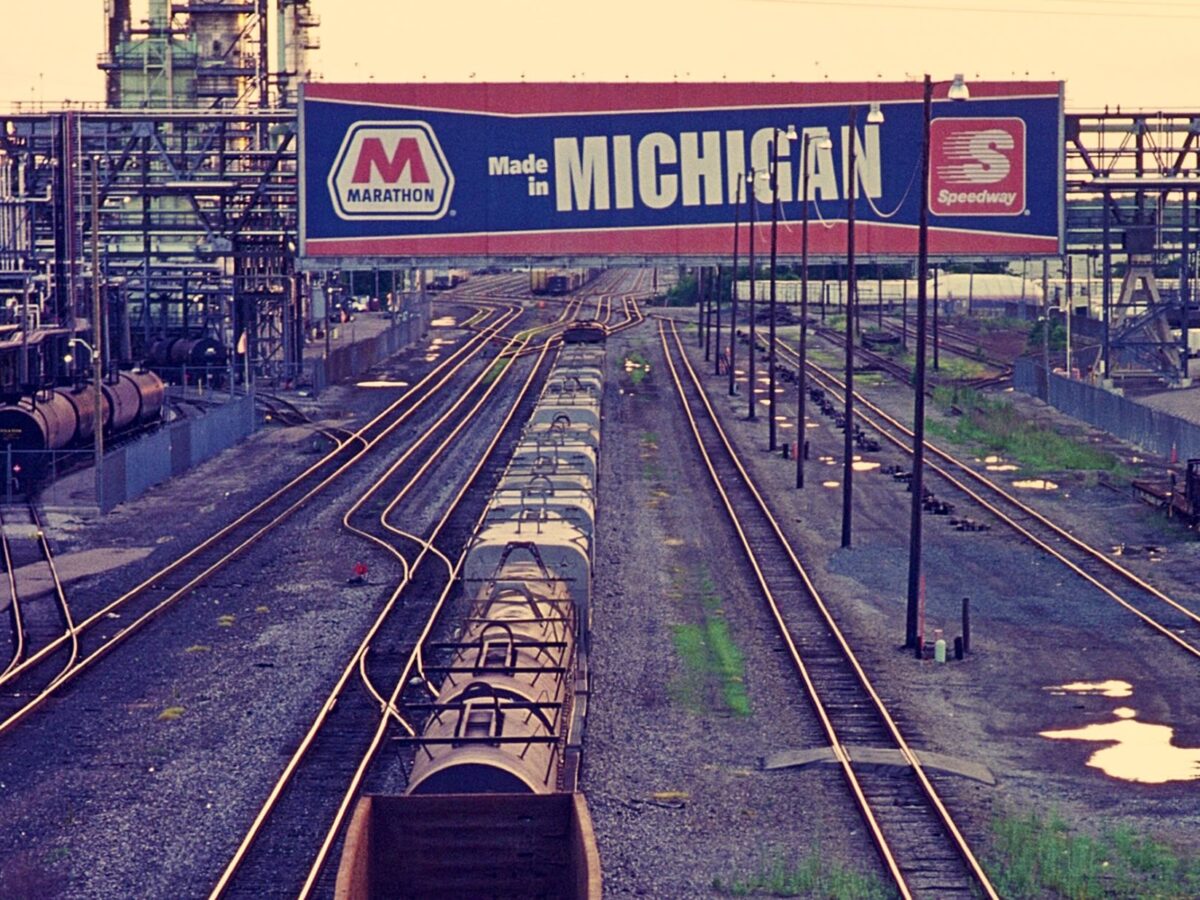
Marathon Petroleum air quality permit hearing ‘moot’ without cumulative impact calculation: Resident
Marathon Petroleum seeks to increase emissions in Detroit’s polluted 48217 zip code. State regulators say they can’t consider cumulative impacts.