


Overview:
- DTE's 20-year plan proposes 2.1 gigawatts of new gas plants in 2031 and 2032, with carbon capture added by 2035 to meet Michigan's 2040 carbon-free requirement.
- No U.S. electric utility has successfully deployed carbon capture at scale, and the lone commercial power plant example in Texas has faced shutdowns and missed targets.
- Advocates say the expanded gas plans appear tied to new data center demand from Oracle and Google, and warn that ratepayers could shoulder billions in costs.
by Kari Lydersen
This story was originally published by Canary Media.
Can a utility commit to building massive gas plants and still achieve zero carbon emissions?
DTE Electric in southeast Michigan says yes, and it outlines how in a 20-year plan currently being considered by regulators. The key, the utility says, will be carbon capture and sequestration — collecting carbon dioxide emissions from two proposed gas-fired power plants and storing them underground.
Michigan state law says power generation must be carbon-free by 2040. The gas plants would go online in 2031 and 2032, and carbon capture equipment would be added by 2035, according to the long-range integrated resource plan that DTE filed with the state public service commission in September.
The problem, as critics see it, is that carbon capture and sequestration has not been successfully deployed by electric utilities in the U.S. thus far.
Even if the technology becomes economically viable, public opposition to the technology is likely to remain strong, as evidenced by the response to the Michigan Legislature’s efforts to adopt a carbon sequestration law. Public outcry has also erupted in neighboring states over plans for carbon dioxide pipelines and injection wells.
In other words, DTE proposes to invest billions of customers’ dollars in gas plants that are dependent on a nascent and uncertain solution to comply with state law on emissions that would harm the climate and public health.
Utilities across the country are grappling with the same predicament of needing to meet steep increases in energy demand driven by data centers while also transitioning to clean energy.
DTE’s plan calls for closing the half-century-old, 3-gigawatt Monroe coal plant and building 15 GW of renewables — mostly solar — and 4.5 gigawatts of energy storage. The utility also proposes two new gas-fired plants totaling 2.1 GW in the Detroit area, one of them in the same county as the coal plant. That’s more than double the amount of gas-fired generation DTE proposed to add in the long-range plan it filed four years ago. At that time, it said 946 megawatts of gas-fired generation with carbon capture could fill the gap left by the coal plant closure.
While DTE has framed the gas plants as simply replacing the retiring coal plant, clean energy advocates believe that the expanded plan is meant to accommodate upcoming data centers. DTE has signed contracts with Oracle and Google for a combined 2.4 gigawatts’ worth of power, and its proposal cites “2.4 GW of new customer load” as among the changes since the 2022 plan was filed.
“Just looking at the numbers, it’s hard not to draw that direct link,” said Helen Li, senior attorney with the nonprofit law firm Earthjustice, which represented environmentalists in regulatory proceedings over the planned Google data center.
“DTE is trying to lock in billions of dollars of new gas plants now on the promise that later they will seek to spend billions more to try to bring those plants into compliance with Michigan laws. Both of those issues should be fully evaluated now before DTE is allowed to start spending ratepayer money locking in new fossil generation.”
Over the coming year, state regulators will study and decide whether to approve DTE’s proposal. A DTE spokesperson declined to comment and referred Canary Media to the company’s website.
Costs and doubts
Michigan first passed a clean energy law in 2008, and a 2023 update laid out what types of energy can be used to meet the requirement that the state’s utilities generate 80% of their power from clean sources by 2035 and 100% by 2040. Sixty percent of generation must come from renewables by 2035. The law says gas plants can comply for the nonrenewable but “clean” portion of generation if they capture at least 90% of emissions from their smokestacks.
Whether that will happen is highly debatable.
The financial and industry analytics firm S&P Global notes in a report that carbon capture and sequestration “is a mature and scalable technology for decarbonizing hard-to-abate sectors. However, despite over 50 years of operations, CCS remains at early stages of deployment.”
The report cites cost, financial risk, market uncertainty, and the complexity of constructing and monitoring the infrastructure as reasons that the technology is used in only a small number of sites worldwide. Most of those are related to enhanced oil recovery, in which the carbon dioxide is used to push oil out of waning reservoirs, providing an additional revenue stream.
The one commercial power plant in the U.S. to use carbon capture — the Petra Nova project at a Texas coal plant — has had a rocky history, including a three-year shutdown and missed targets. The Environmental Protection Agency last year reported that “it is extremely unlikely that the extensive infrastructure for CCS can be deployed” by the 2032 compliance date set under the Biden rule,” as E&E News noted.
Carbon capture equipment on power plants is expensive in part because it takes a considerable amount of electricity to operate, and that electricity must be clean if the goal is zero emissions.
DTE estimates it will take $6.4 billion to build the two new gas plants. The cost of carbon capture and sequestration is hard to predict, so the plants’ price tag could balloon higher.
“It’s incredibly expensive,” said Charlotte Jameson, chief policy officer of the Michigan Environmental Council, which has intervened in the regulatory process for DTE’s long-range plan.
“When we’re talking about carbon capture and sequestration, we’re not just talking about the actual capture technology on the smokestack, which is expensive in and of itself, but also building out infrastructure to pipe the carbon dioxide to a place where it can be sequestered. I think it would be really easy at this juncture to undervalue what it would cost. That’s a huge, risky bet for ratepayers and Michigan as a whole.”
In recent months, regulators have been hashing out how much data centers will pay to help build the generation they need. While these proceedings are separate from DTE’s long-range plan, advocates see them as related — and worry that residents will wind up shouldering too much financial burden.
On October 30, the Michigan attorney general requested that the public service commission reexamine DTE’s contract with Google to power its planned data center, citing the risk that ratepayers will be charged unfairly.
Clean energy implications
While some advocates would prefer not to see new data centers at all, they argue that if the facilities must be built, their need for electricity could be met without increasing emissions or relying on carbon capture.
“We are looking to ensure that DTE is maximizing the full suite of clean technologies — renewables, storage, demand response, transmission, et cetera,” Earthjustice’s Li said, “rather than defaulting to more fossil generation, for meeting the needs of its ratepayers and serving AI new data center load.”
Nationwide, experts and regulators have indeed called on data centers to be flexible with the amount of power they use at a given time, so utilities don’t have to build extra capacity to meet periods of peak demand.
The Michigan Environmental Council’s Jameson is worried that the state’s clean energy law won’t force DTE to ensure that the gas plants capture their emissions. The law allows for multiple extensions to the deadlines for reasons including grid reliability, feasibility of installing renewables, and other factors.
“Those off-ramps are written pretty broadly,” Jameson said, noting that they were adopted before the data center boom. “So if data center load makes it too difficult to meet renewable energy standards, there is a lot of risk we just blow through our renewable energy standards and clean energy targets and those become effectively meaningless.”
Mark Templeton, director of the Abrams Environmental Law Clinic at the University of Chicago, has represented community groups in other proceedings involving DTE. He noted that the utility’s 2022 long-range plan “was critically important in establishing the schedule for closing significant coal-fired power generation.”
“This is equally important in terms of figuring out what the replacement is,” he said. “Locking in continued use of gas is better than coal, but that’s not saying much.”
MORE DTE ENERGY COVERAGE
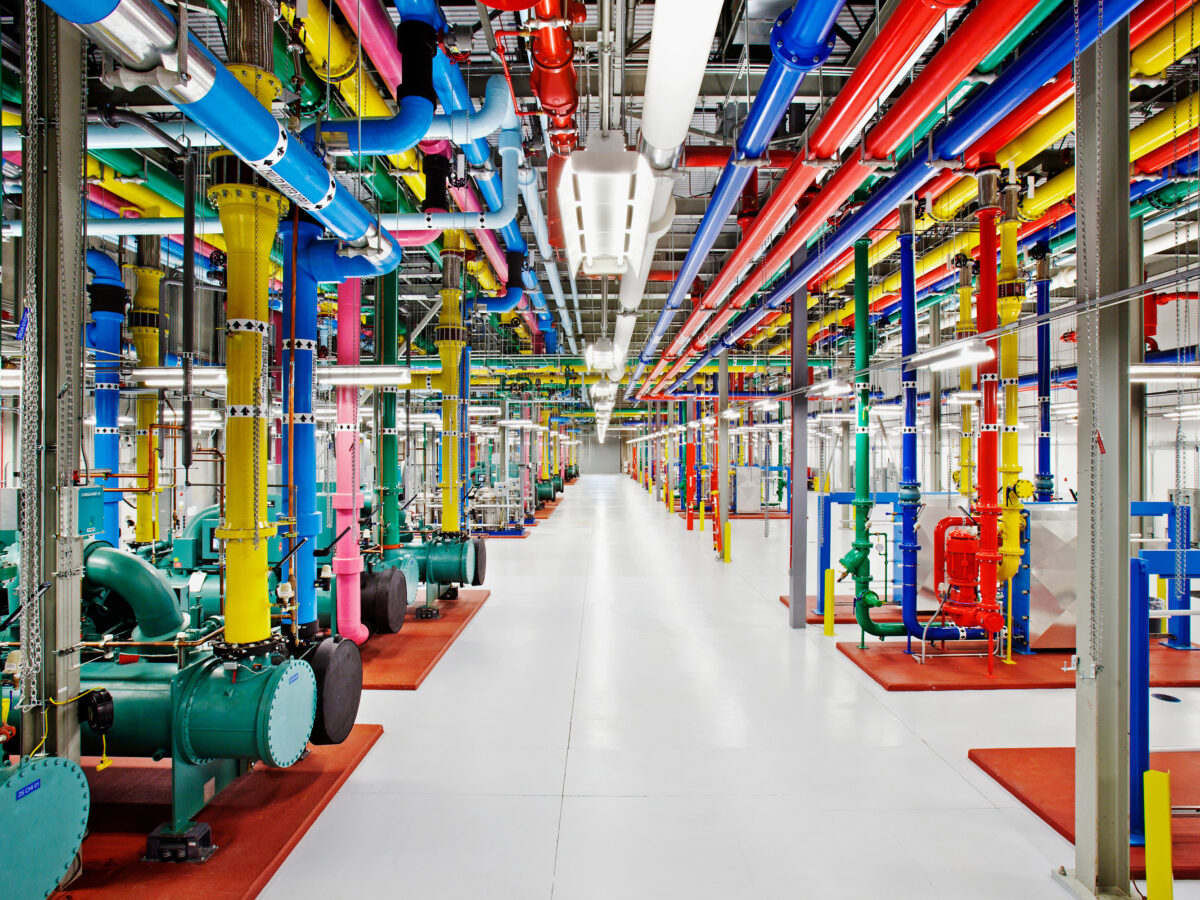
Google data center wins final approval in Wayne County: What residents need to know
How Google’s Van Buren Township data center could impact water resources, air quality, utility bills, neighborhood noise levels, and more.

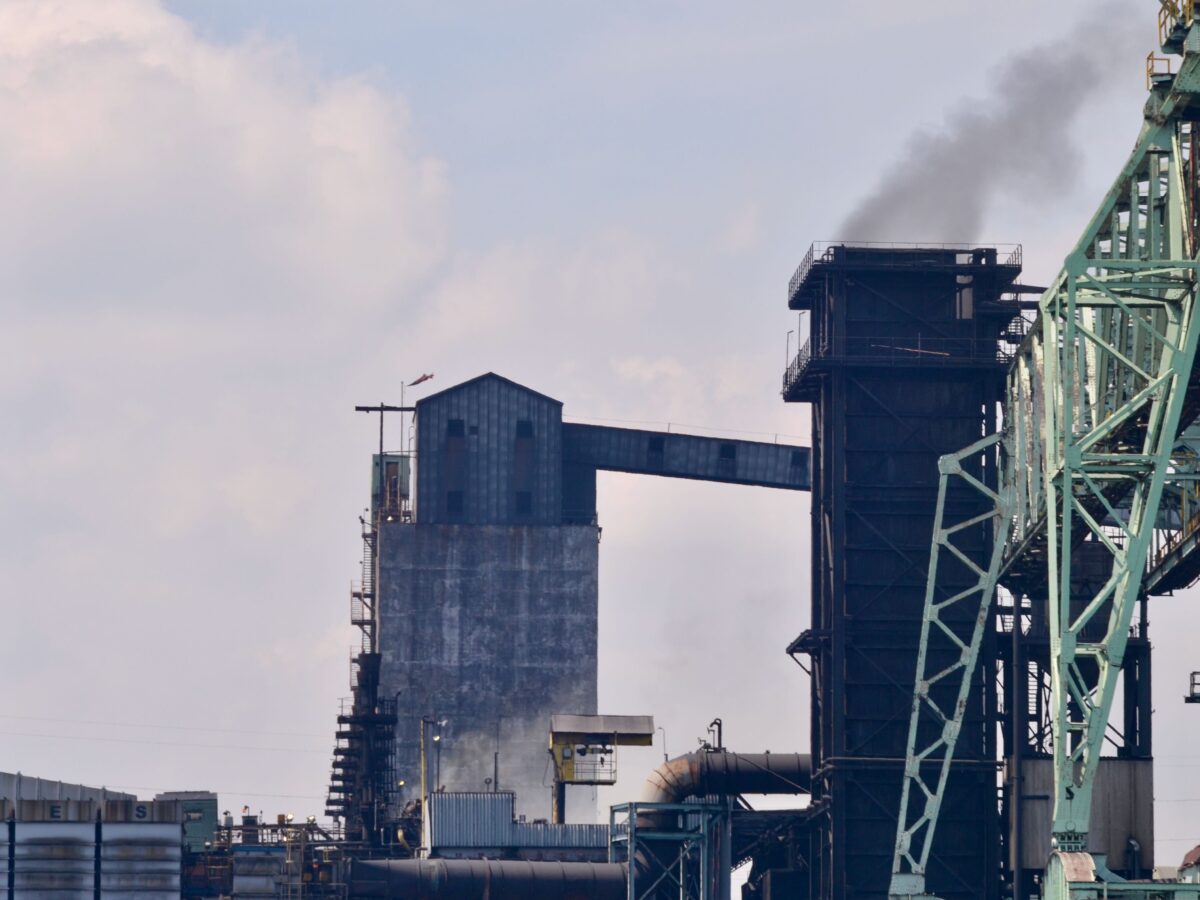
DTE Energy attacks $100 million fine for Zug Island pollution on appeal, says order for community funds ‘crossed a line’
DTE is appealing a February federal court ruling that found Southeast Michigan’s electric service provider responsible for Clean Air Act violations by EES Coke Battery and entered a $100-million judgment against DTE.


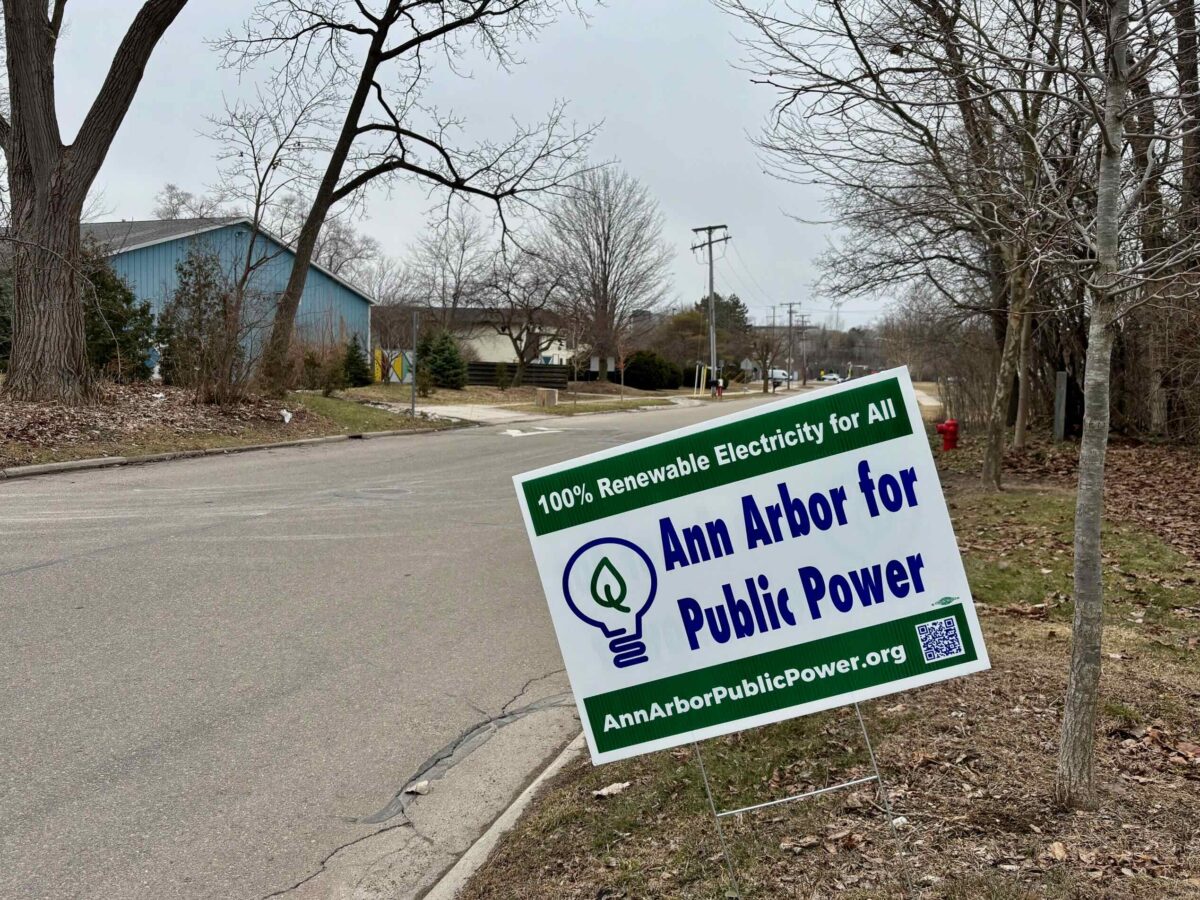
Ann Arbor council comes out against public power ballot proposal, says it could cost city $1 billion
Ann Arbor’s city council votes 10-1 in opposition to Proposal E, a public utility ballot measure, citing a possible $1-billion cost. The municipal utility effort’s backers dispute the figure.
