
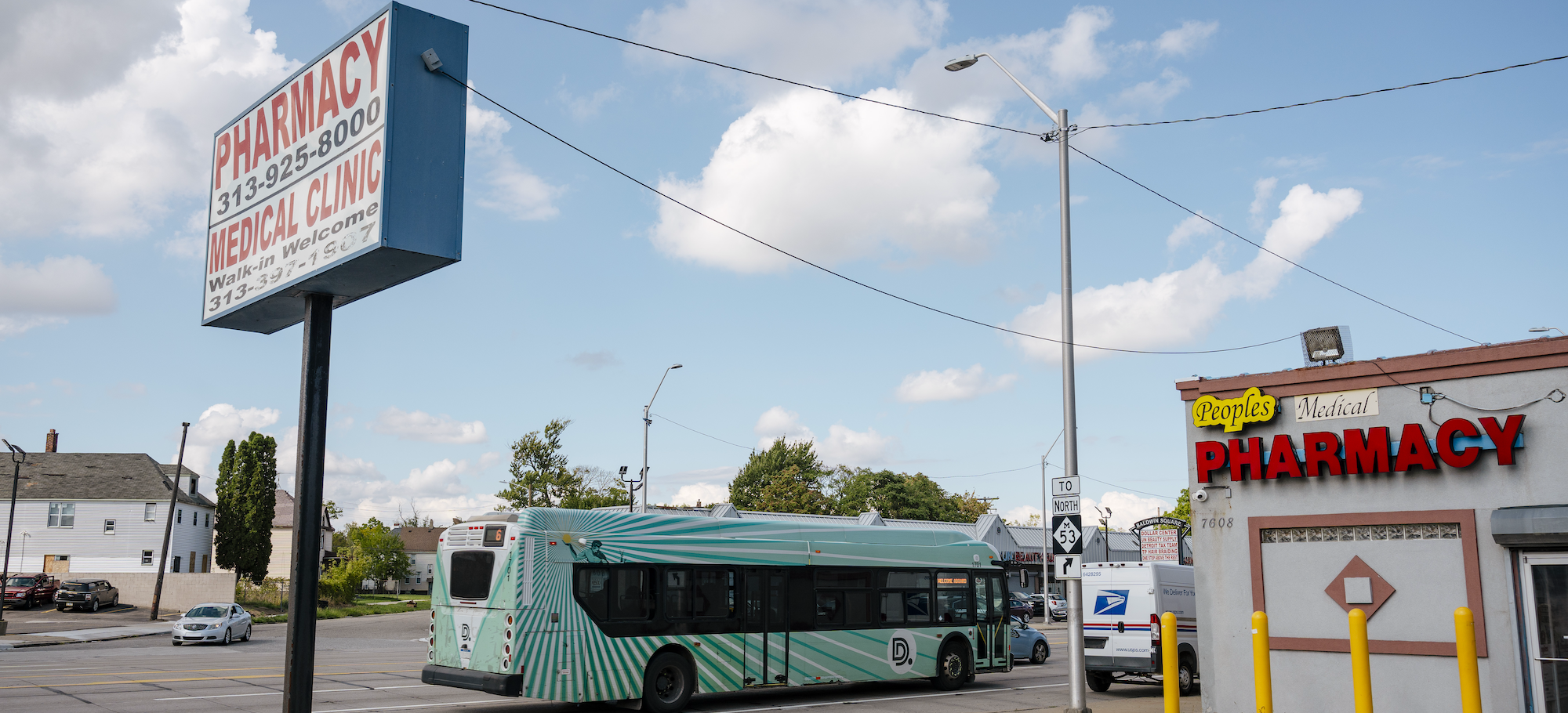
In this series, Planet Detroit explores how transportation barriers limit Detroiters’ access to healthcare, erode physical and mental health, and how the fragmented transportation ecosystem offers few reliable alternatives for patients without cars. The series will also explore solutions and resources that aim to help.
This series was produced as a project for the USC Annenberg Center for Health Journalism’s National Fellowship, with support from the National Fellowship Fund and the Dennis A. Hunt Fund for Health Journalism. Reporter Eleanore Catolico also participated in the Center’s Engagement Initiative.
Stories

GUIDE: Resources to help Detroit residents travel to medical care
In Detroit, lack of transportation leaves patients vulnerable, but new initiatives aim to bridge the gap. St. Patrick Senior Center, Rides to Care, and DDOT Now offer crucial rides to medical appointments, while MyRide2, The Senior Alliance, and United Way’s Ride United provide essential support for the elderly and disabled.

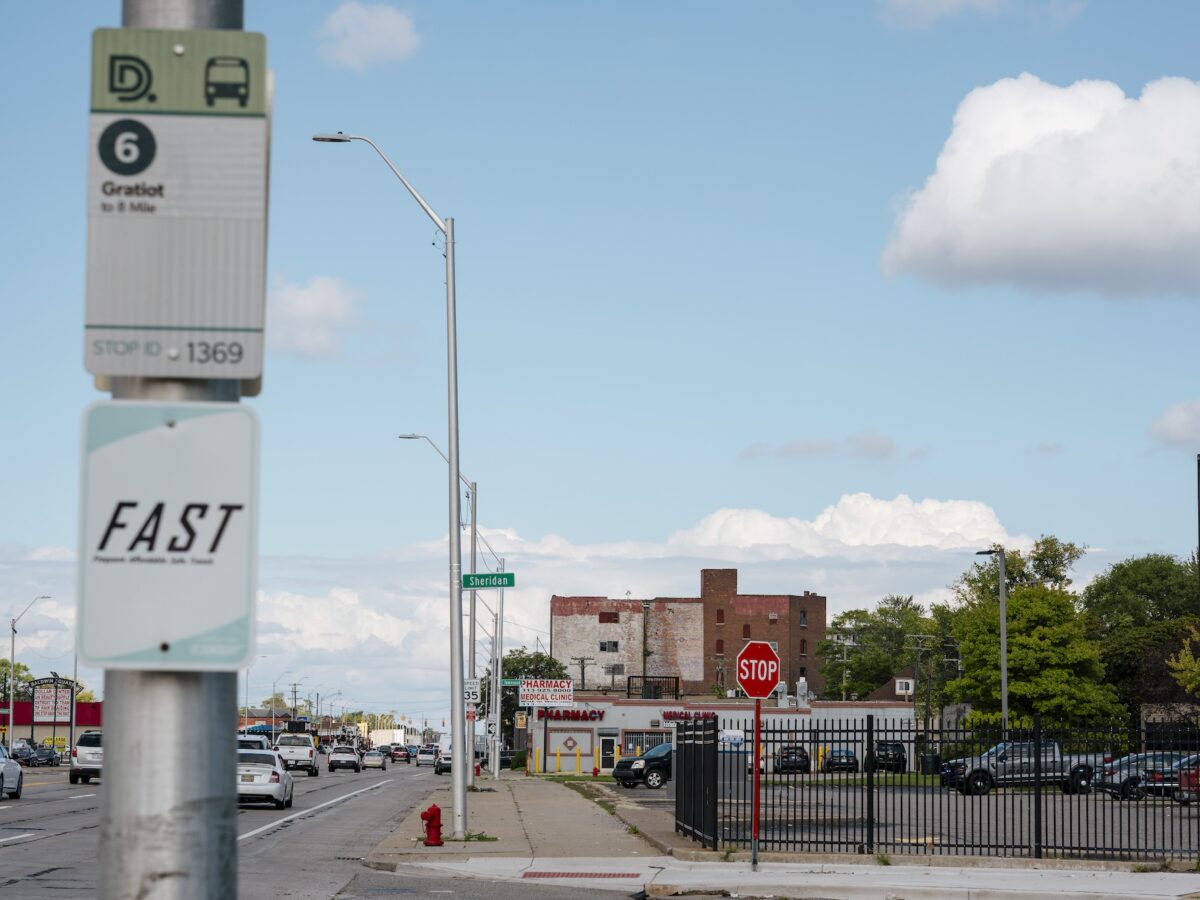
Broken cars and fragmented public transit detour Detroit patients’ care plans
Without access to a car, transportation alternatives can be unaffordable or inconvenient.

In a city with a high rate of preterm births, a Detroit program gives moms and caregivers free rides to vital care
Without access to a car, transportation alternatives can be unaffordable or inconvenient.
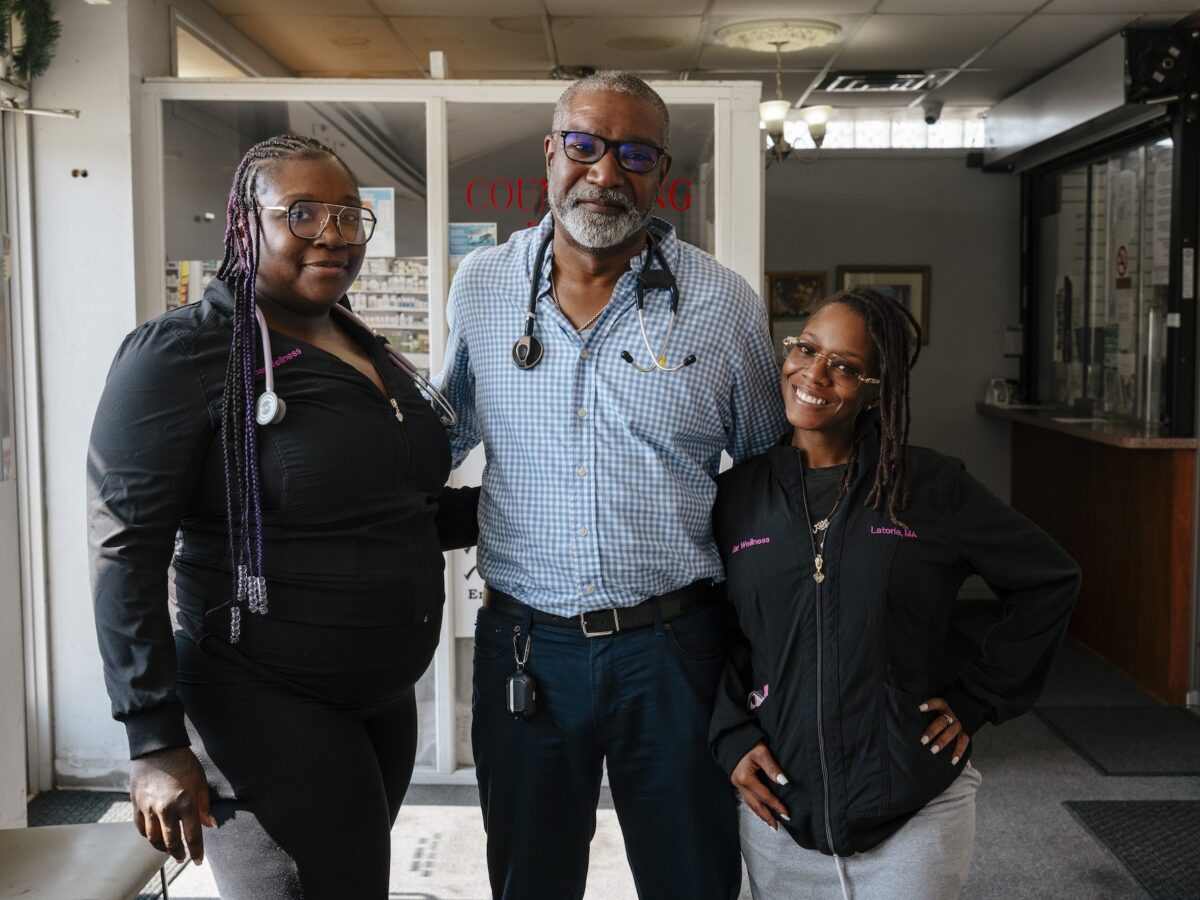
‘We see a lot of helplessness’: At a Detroit clinic, transportation barriers put chronic disease, injured patients at risk
Transportation barriers prevent many Detroiters from accessing vital care at John Mailey’s clinic, where weight and blood pressure management are offered. This issue contributes to higher hospitalization rates and a $150 billion annual cost to the U.S. healthcare system.
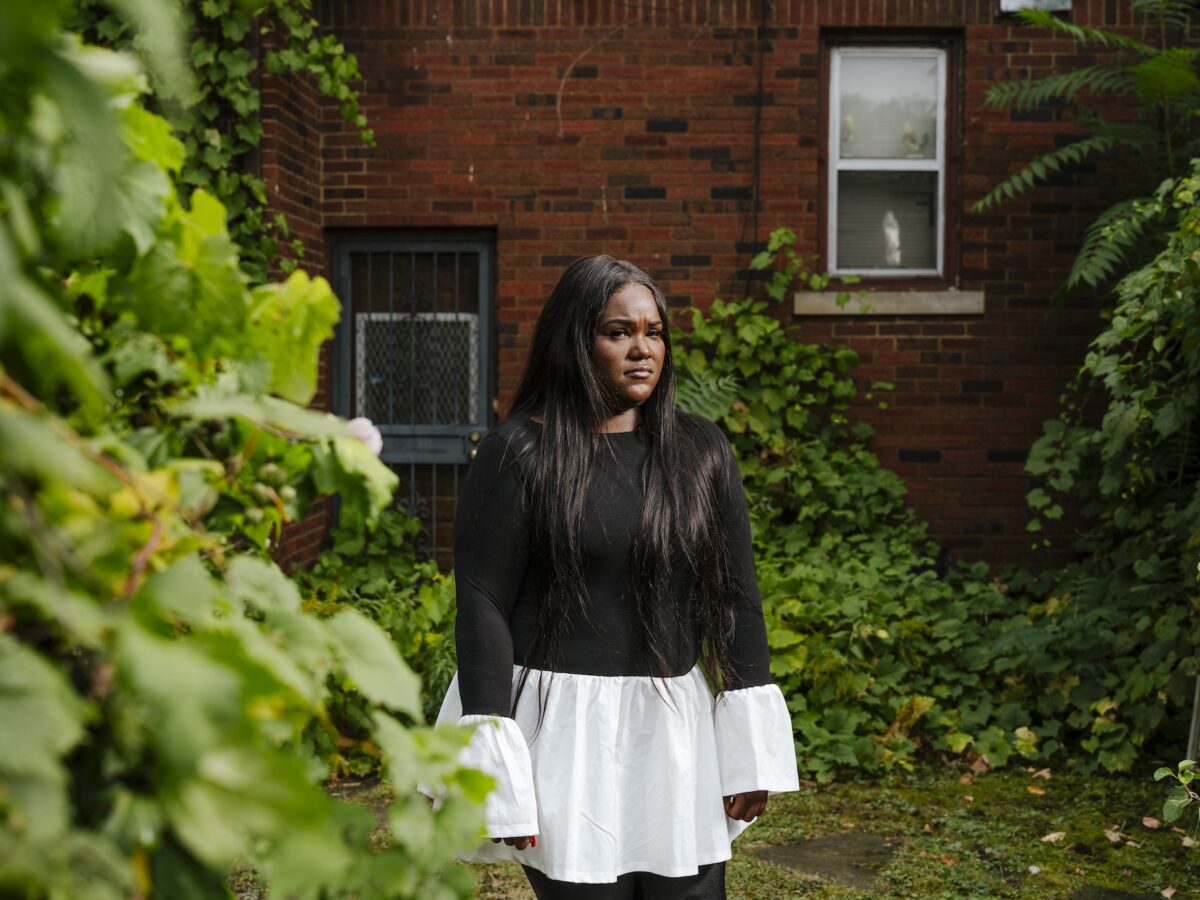
When getting to the doctor is half the battle in Detroit
In 2013, Deanne Austin bled for six weeks straight. Before the incident, a physician diagnosed her with polycystic ovary syndrome, a hormonal disorder that intensifies menstrual symptoms. Her body ached from cramps and migraines. “It can be very draining,” Austin, who lives in Detroit, said of her condition, which is manageable but has no cure.…
Q&A: How transportation insecurity erodes Detroiters’ physical and mental health
Alexandra Murphy noticed that transportation research followed a distinct pattern. Engineers and urban planners would examine the man-made elements of a city—buildings, roads, bridges, parks, buses or trains—with a focus on neighborhoods or census tracts. But another “profound” problem remained largely understudied, Murphy said, even among poverty researchers. People who can’t afford to buy and…