


🚨 Fast-track for Line 5? The Army Corps may rush approval for Enbridge’s Line 5 tunnel after Trump’s energy emergency order, sparking backlash. Environmental groups warn a shortcut for Big Oil could ignore safety and climate risks, while Enbridge cheers the move. The Corps hasn’t made a final call—but the fight is heating up. 📌 Source: Bridge Michigan
🐔 USDA ‘accidentally’ fires Bird Flu experts, now scrambling In its rush to slash federal jobs, the USDA mistakenly fired key staff working on the bird flu outbreak, and is now scrambling to undo the mess. The layoffs come as egg prices soar and the virus devastates poultry farms, frustrating lawmakers—including Republicans—who warn the cuts could cripple containment efforts. Maybe double-check before hitting ‘fire all’? 📌 Source: NBC News
☀️ Solar or Sprawl? Michigan’s parking lots could go green—but at a price Solar farms on parking lots sound like a win-win—clean energy, no lost farmland, and shady cars—but the cost is sky-high. Michigan developers prefer cheaper farmland, sparking debates over land use and climate goals. While France mandates solar canopies, the U.S. hesitates. Could agrivoltaics—farming under solar panels—be the middle ground? 📌 Source: Bridge Michigan
🚨 Michigan’s clean energy cash vanishes as Trump admin freezes billions The Trump administration has blocked or rescinded $21 billion in Michigan clean energy funds, stalling solar programs, EV battery plants, and home weatherization. A $156 million low-income solar program is in limbo, while grid upgrades and energy efficiency rebates sit frozen. Meanwhile, a veteran federal prosecutor resigned after refusing to freeze environmental grant assets without evidence of wrongdoing. With legal battles brewing and funding chaos unfolding, Michigan’s clean energy future is now uncertain. 📌 Sources: Michigan Public, MLive, Washington Post
🌱 Detroit’s ‘Black & Brown in Green’ builds community amid DEI crackdowns As the Trump administration slashes environmental justice programs and freezes billions in funding, Detroit’s Black & Brown in Green network is stepping up to support Black, brown, and Indigenous professionals in the environmental sector. The group, founded by Black to the Land Coalition, provides networking and career opportunities in a field still overwhelmingly white. With quarterly gatherings and growing momentum, organizers say the goal is to foster collaboration, mentorship, and real change—even as federal DEI programs face elimination. 📌 Source: BridgeDetroit
🌊 Great Lakes advocate warns against Trump’s ‘economy-first’ EPA agenda With the Trump EPA gutting environmental programs and prioritizing economic growth over clean water protections, Great Lakes expert Laura Rubin is sounding the alarm. While federal restoration funding may survive, deep cuts to EPA staff and environmental justice grants are already hitting Michigan. Rubin also warns that the region lacks a strong water conservation ethic, even as industries like AI-driven data centers demand more water. Advocates are now in defense mode, fighting to preserve past environmental wins amid Trump’s rollbacks. 📌 Source: Great Lakes Now
🐟 Lamprey Invasion? Trump cuts threaten Great Lakes fish Trump’s mass firing of federal fishery workers has left the Great Lakes’ lamprey control program in chaos, raising fears that invasive sea lamprey could surge back and threaten native Michigan fish like trout. With seasonal staff blocked from treating rivers, experts warn skipping even one treatment season could lead to a lamprey population explosion, endangering native fish and the region’s billion-dollar fishery. 📌 Source: Bridge Michigan
THIS WEEK FROM PLANET DETROIT
Michigan environmental news: DTE plans 2 gigawatts in data center deals by year’s end
DTE Energy is in talks with data center developers needing 2 gigawatts of power, and proposes two natural gas plants costing $6.4 billion. Plus: fall allergies peak, Detroit co-op seeks support, and Sterling Heights tackles sewer odors.

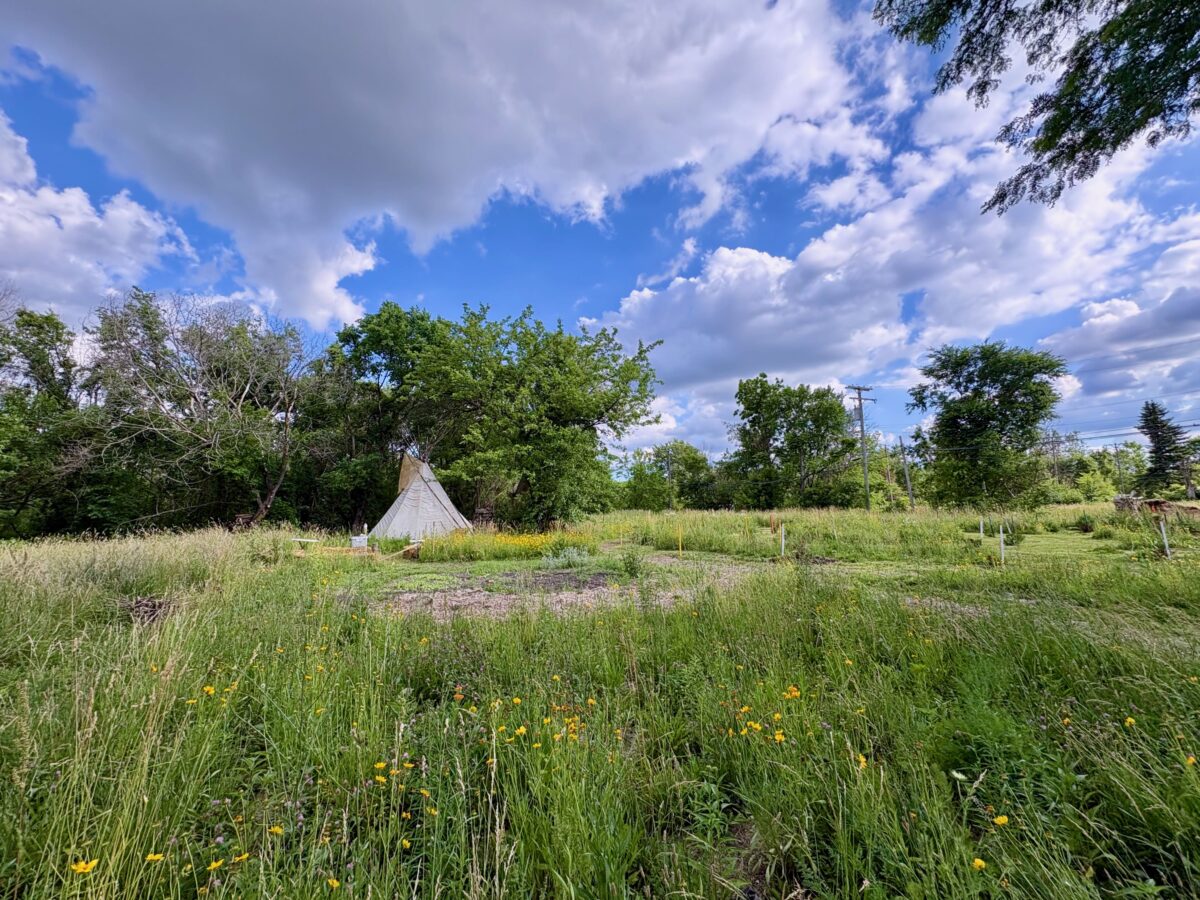
Voices: The story of Noojimo’waning, Detroit’s first Indigenous Land Back project
Noojimo’waning, Detroit’s first Land Back project, returns five city lots to Anishinaabe stewardship for ecological restoration and cultural healing. The site honors the area’s role as a sacred stopping place in Indigenous prophecy.


Data centers, hazardous waste weigh on voters in Michigan’s 31st House District
Republican Laura Perry and Democrat Shannon Dare Wayne compete to replace retiring state Rep. Reggie Miller in a district grappling with a proposed Google data center and ongoing lawsuit over radioactive waste shipments to Wayne Disposal.