

Overview:
- A Shoemaker Street brownfield property has been discussed as a potential data center site, says environmental lawyer.
- Detroit City Council called last month for a two-year moratorium on data centers until health and environmental regulations are in place.
- Residents and advocates are pushing for specific zoning, transparency requirements, and community involvement before any data centers are approved in the city.
As data center proposals spread across Michigan, residents on Detroit’s east side are discussing ways to slow their development or minimize the potential harm to neighborhoods overburdened with industry.
🗳️ Civic Action Toolbox
Why it matters
Data centers could bring increased air pollution, water contamination risks, and noise to east side neighborhoods that already face industrial burdens from facilities like the Stellantis plant.
Who's making public decisions
Mayor Mary Sheffield will decide whether to sign the two-year data center moratorium passed by Detroit City Council, while District 3 Councilmember Scott Benson’s working group aims to develop a zoning policy by year’s end.
Upcoming Meetings
Civic Actions: What You Can Do
Organizations to Follow
What to watch for next
Watch for Mayor Sheffield’s decision on whether to approve the two-year data center moratorium passed by council.
Are you taking action? Let us know.
Civic resources compiled by Planet Detroit
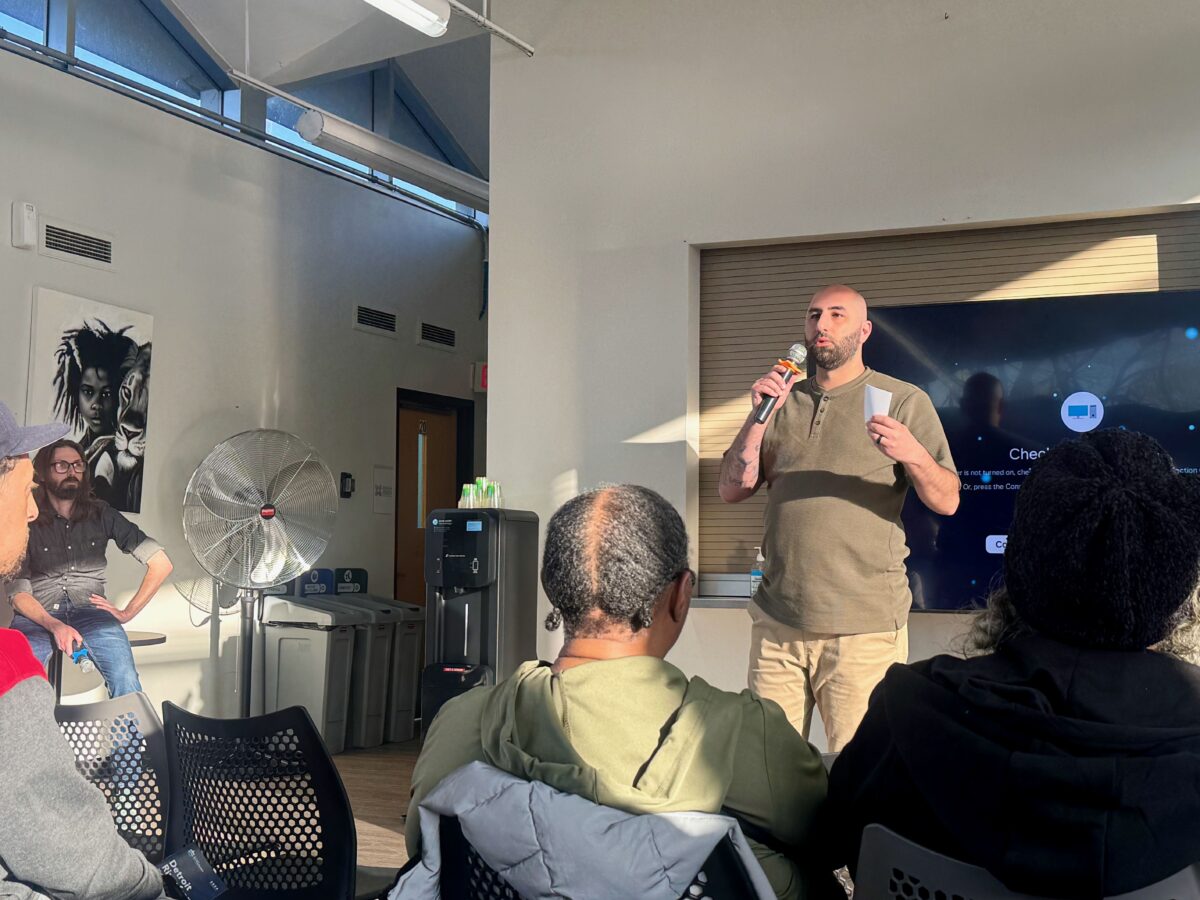
The nonprofit Eastside Community Network (ECN) hosted a data center town hall Tuesday, bringing together over two dozen Detroit residents and a couple nonprofits for a dialogue about the impacts of data centers and how east side residents can prepare.
“Too often, things are imposed on our communities,” said Ricky Ackerman, chief program officer at ECN, referencing the Stellantis Mack Assembly Plant.
Ackerman said he aims to build policy recommendations for all projects that will impact the community.
Starting in May, ECN will host a biweekly data center study group with the aim of educating east side residents on the economic, environmental, and health impacts of the facilities and develop a set of community recommendations for city and state officials by the end of the summer, he said.
‘We are in an urgent situation’
The east side town hall occurred just over a month after Detroit City Council members urged Mayor Mary Sheffield and the city’s planning and permitting departments to withhold any permits for data centers until regulations are in place and there is a better understanding of the health and environmental risks. The resolution passed by council calls for a two-year moratorium on data centers.
Sheffield has not made a decision on the moratorium, according to city spokesperson John Roach.
Tuesday’s town hall was attended by people from across the city, including east side residents who live near a brownfield on Shoemaker Street. The property has been discussed as a potential data center site, according to attorney Andrew Bashi of Great Lakes Environmental Law Center.
The property “had a really long history of environmental contamination,” he said.
The brownfield formerly housed lead foundries, an oil house, and a coal yard, among other uses, and was flagged by federal regulators for contamination with heavy metals, VOCs, and PCBs.
Rose Jones, a secretary with the District 4 Community Advisory Council, said: “We are in an urgent situation.
“This has been going on. It’s been coming up and folks have had blinders on. I just hope that we have more urgency in coming up with what we need to come up with to protect our land, our air, and our people.”
Residents listened in on two presentations Tuesday from the Green Door Initiative and the Great Lakes Environmental Law Center outlining the water usage, air, and noise pollution associated with data centers.
The speakers highlighted examples of data center developments in rural Michigan communities as well as predominantly Black areas such as Memphis, Tennessee, where Elon Musk built Colossus, a data center that powers the X (formerly Twitter) Grok AI chatbot.
“It’s really important that we do this soon,” Bashi said, referring to finalizing regulatory policies around data centers in Detroit.
A specific zoning category for data centers, the refusal of open-loop cooling systems, greater transparency from developers and city leaders, and strong financial assurances in the form of bonds, he added, are some of the ways the city can get on top of the issue.
Bashi gave the example of Saline Township as a community that lacked regulatory policies and was sued by developers over the refusal to rezone land for a data center.
State law gives tax breaks to data center developers. A Michigan House of Representatives bill looks to enact a statewide moratorium on data centers until April 2027.
A citywide working group was recently convened by District 3 Councilmember Scott Benson to fast track a data center-focused zoning policy before the end of the year.
The group consists of representatives from various city departments, the mayor’s office, the Detroit Economic Development Corp., DTE Energy, and trade unions.
Detroit organizer calls for community involvement
Sarita Steele, a resident in the Ravendale neighborhood that borders Interstate 94, said she “really wanted to know what these data centers were about … whether it was good or bad for our area … and I’ve only heard bad.”
Tyler Caton, a New Center resident and an organizer with the Black men-focused organizing group Ginger Root, said that it’s important that any Detroit data center comes with strong enforcement policies, community involvement, and incentives that are in alignment with the long-term health and well-being of the neighborhood.
“I think in the past with Stellantis, a lot of those things were missing,” said Caton, whose organization focuses on mental health and economic stability for Black boys and men in Detroit.
“It was very easy for the community to be left behind, not only in the economy, but in innovation.
“We think this data center problem is going to affect a lot of mental health and environmental health concerns that will directly impact those communities.”
DATA CENTER NEWS
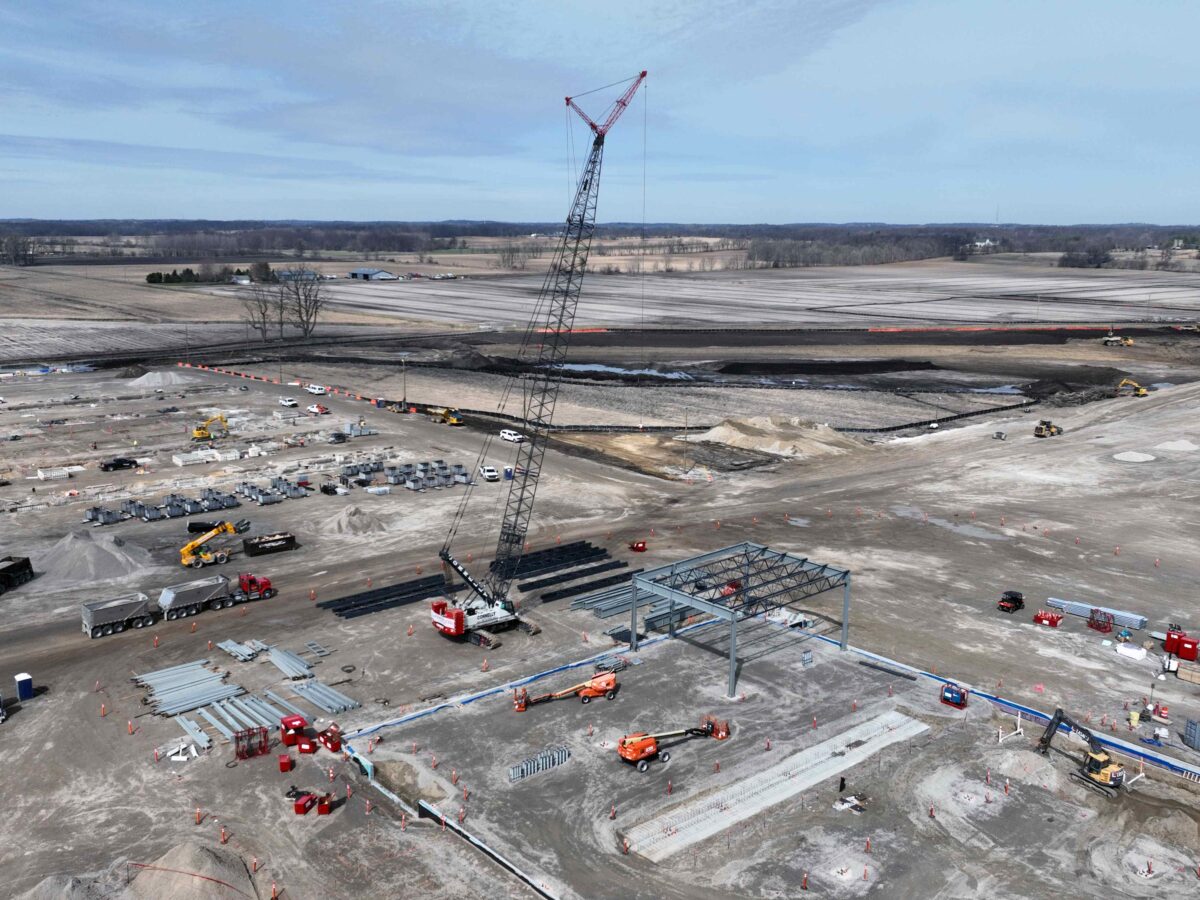
DTE offers 2-year rate hike freeze if Saline data center opens on time: Nessel calls it ‘ransom note’
DTE Energy files for a $474-million rate hike, offers to pause increases for two years if rate case has “constructive’ outcome and Saline data center opens by target date.

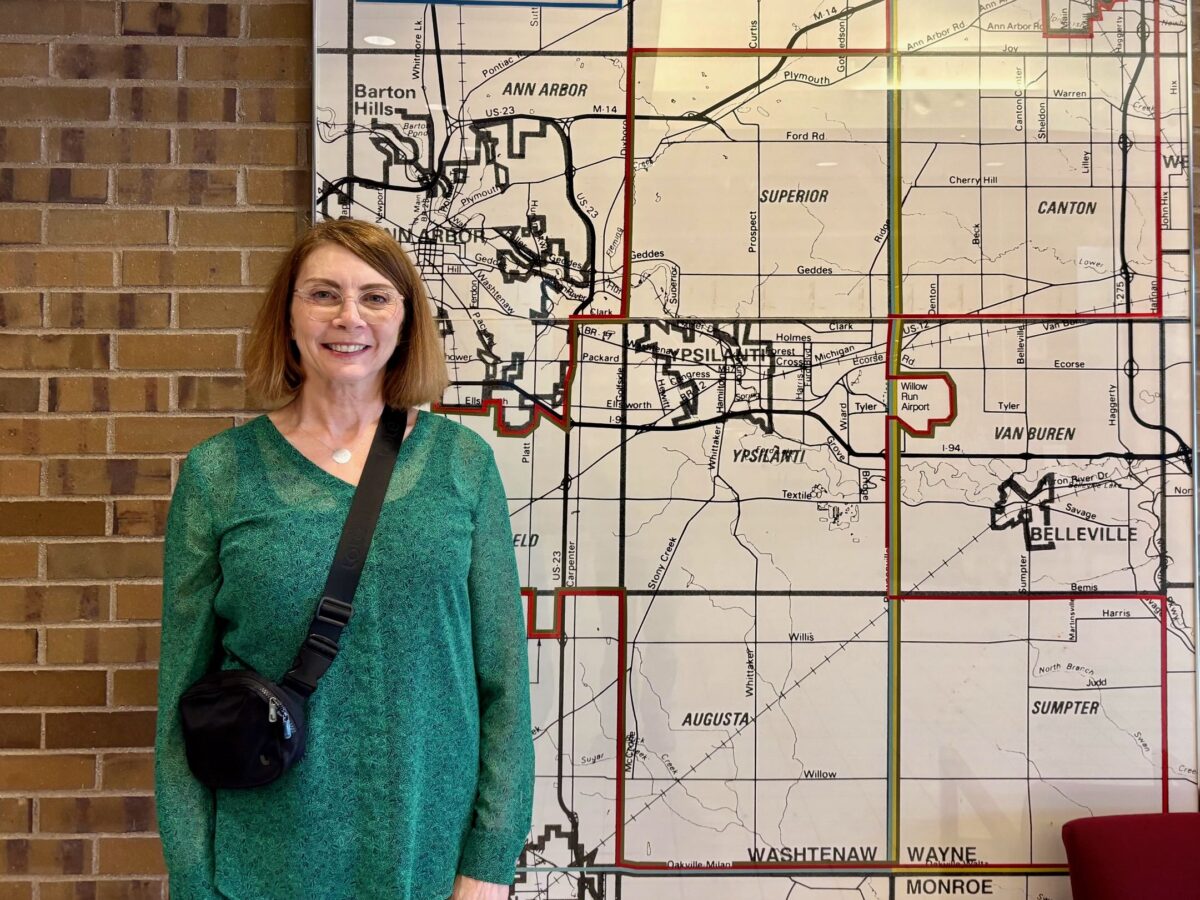
Ypsilanti utility OKs 12-month ban on supplying water for data centers
The Ypsilanti Community Utilities Authority approves a 12-month moratorium on supplying water to data centers, blocking service to facilities including a planned $1.2-billion University of Michigan project.
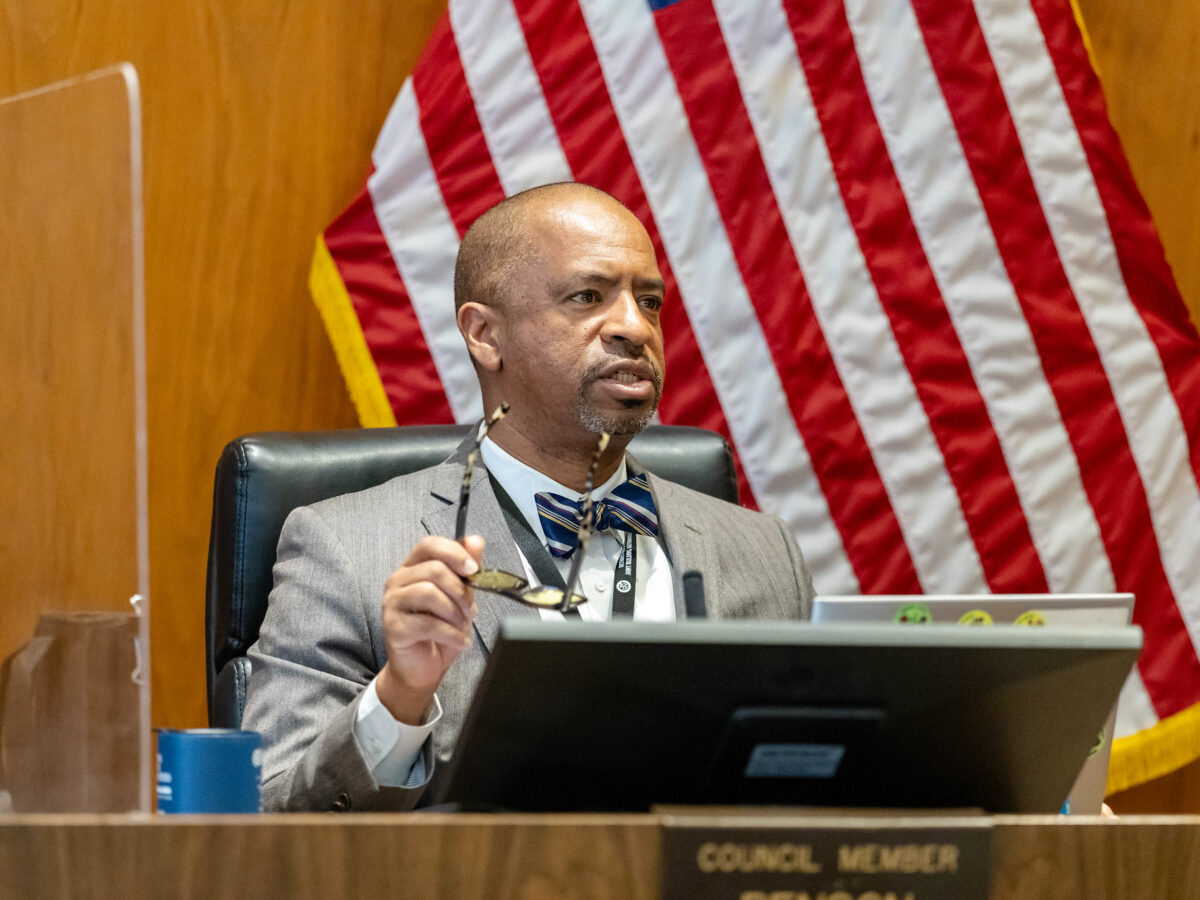
Detroit forms data center working group after council backs moratorium
Detroit City Councilman Scott Benson convened a stakeholder working group to develop zoning policies for data centers, following the council’s March resolution urging a two-year development moratorium.

