

Overview:
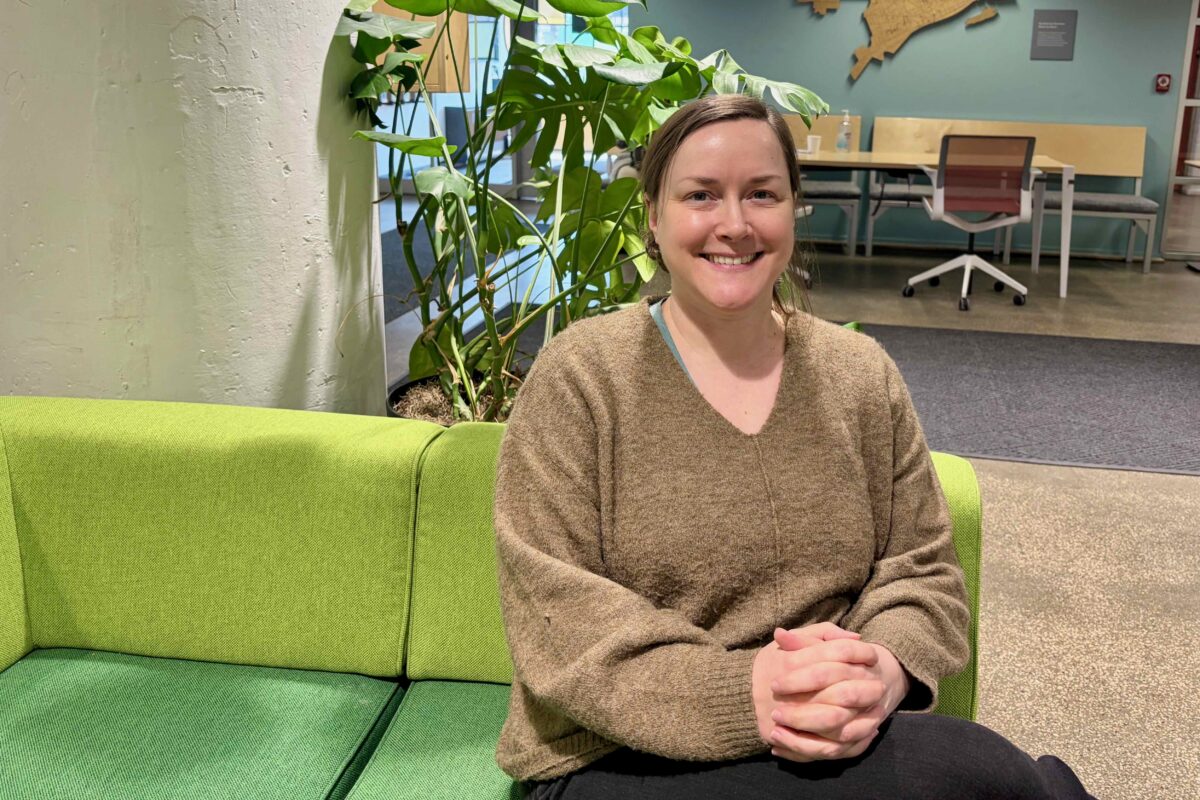
- Sarah Johnson spent 20 years as a bartender and event manager in Detroit before shifting to writing.
- She joined Planet Detroit's third annual Neighborhood Reporting Lab, a six-week program training community members in journalism fundamentals.
- The pandemic lockdown and a knee injury prompted her shift toward more meaningful work serving her community.
Planet Detroit’s neighborhood reporters are local residents who cover health, environment and climate issues in their neighborhoods. The Lab is made possible with the generous support of the Kresge Foundation.
In 2020, as the COVID quarantine stalled Detroit’s event and entertainment industry and a knee injury forced her off her feet, Sarah Johnson says she found herself pausing for the first time in years.
She spent much of her career creating spaces where people gather to celebrate, network, and forget their troubles for a while. Now she began asking: Is this the work I want to carry forward?
Born and raised in the metropolitan Detroit area and shaped by a family rooted in service, Johnson is now shifting into writing, a craft she says has been with her since childhood. In 2026, she was selected as one of 19 participants in Planet Detroit’s third annual Neighborhood Reporting Lab.
The six-week program trains community members in the fundamentals of journalism and pairs each participant with an experienced editor to produce a reported story highlighting local changemakers.
Below is a conversation with Johnson about community, fear, fragility, and her decision to tell stories about the place she calls home.
Tell me a little about yourself and your background.
I was born in Michigan, and I also lived in Indiana and Virginia growing up. But Michigan is home. I think we’re tied to the land we’re born on in ways we don’t always understand — maybe we just feel it.
I spent my early career, roughly 20 years, as a bartender and event manager in Detroit.
What did those years in events teach you about people or community?
Festivals, restaurants, music venues, and bars: they’re places of celebration, networking, escape, and frequently charity. They can also provide a very close view, bars in particular, of ways our communities are failing.
People reveal their loneliness, loss, addictions, mental health struggles — and that they can’t find help or solace elsewhere. As an event manager, it was mostly the good. As a bartender, it was the whole mix. I could write a book answering this question.
Our company had a mission statement, which was creating community and bringing people together. That has always been my personal mission as well. Strong communities help support strong individuals, and without strong community, people falter far more than they do with it.
How did you get involved in writing?
When writing was introduced to me as something I could do, I loved it immediately — same with reading. I was an avid reader as a child all the way until the present. Writing and reading just go hand in hand. For me, it’s like breathing.
Writing has been a natural part of my life since I learned how. Every chance I get, I write — short stories, poetry. As far as work goes, I’ve done small projects for friends and family. But primarily, I’m just starting a writing career now, shifting out of events and entertainment.
Was there a moment that pushed you to make the shift?
I got burned out in the bar industry. The event management company kind of naturally faded away. Then quarantine happened. About a year into that, I sustained a very serious injury to my knee, and it forced me to reevaluate everything.
I had to really see that our physical health is extremely fragile. It can be destroyed in an instant. It can be degraded just as quickly. I needed to find something meaningful — something I could carry on through the injury and through the recovery.
Was there fear in making that decision?
Oh yeah. Tons of fear anytime you make a major change.
I’ve been writing my whole life and I’ve made a practice of it, but there’s still ample self-doubt. Do I have anything meaningful to say? We all do, obviously — but convincing yourself that you have something meaningful to say can be very difficult.
And then there are practical fears. Can I generate enough work? How is AI going to affect that work? Can I keep up with changes in the industry as technology advances?
Where do you think your sense of service comes from?
So much of it is from the way I was brought up. I was raised by people who believe in service, and I’ve also seen firsthand how critical it is for people to help one another.
My grandfather was a U.S. Army paratrooper. He used the GI Bill to get his college education. He became an educator and then a local politician. All of that was service-minded. It’s ingrained in my family’s makeup. It was passed down through generational teaching. We were always encouraged to contribute.
He was very reserved. When he spoke, it was usually something important; sometimes something funny. He did a lot of listening. With a mind toward service, you have to be able to listen well and understand people’s needs.
How do you define service in your own life?
When we talk about service, the conversation is often about communities far from, or outside of, our own. There’s nothing wrong with that. If you see a great need and you’re of the heart and mind to give, it makes sense to apply your efforts there. But I think we often overlook the needs that arise where we live. If we have the time and resources to help someone else, why isn’t our first thought, “I wonder if my neighbor is OK?”
I firmly believe we all need to be of service to the people closest to us — both in proximity and in emotional closeness. That’s why I’m so excited to participate in the Planet Detroit project. Nobody knows what a neighborhood needs better than the people who live in it.
What do you hope this new chapter will look like?
I see myself taking on projects to help nonprofits, particularly grant writing where needed. I definitely see a possibility of journalism in my future.
Whatever I do, I would like to take on projects that serve my community as much as they serve me. The spirit of written communication is building understanding between people — and that’s the spirit of community too.
Career changes are life-altering in every way. It’s hard to predict what the biggest change will be. I am currently most excited, though, about the work I do aligning better with who I am and what motivates me.

MORE FROM THE NEIGHBORHOOD REPORTING LAB
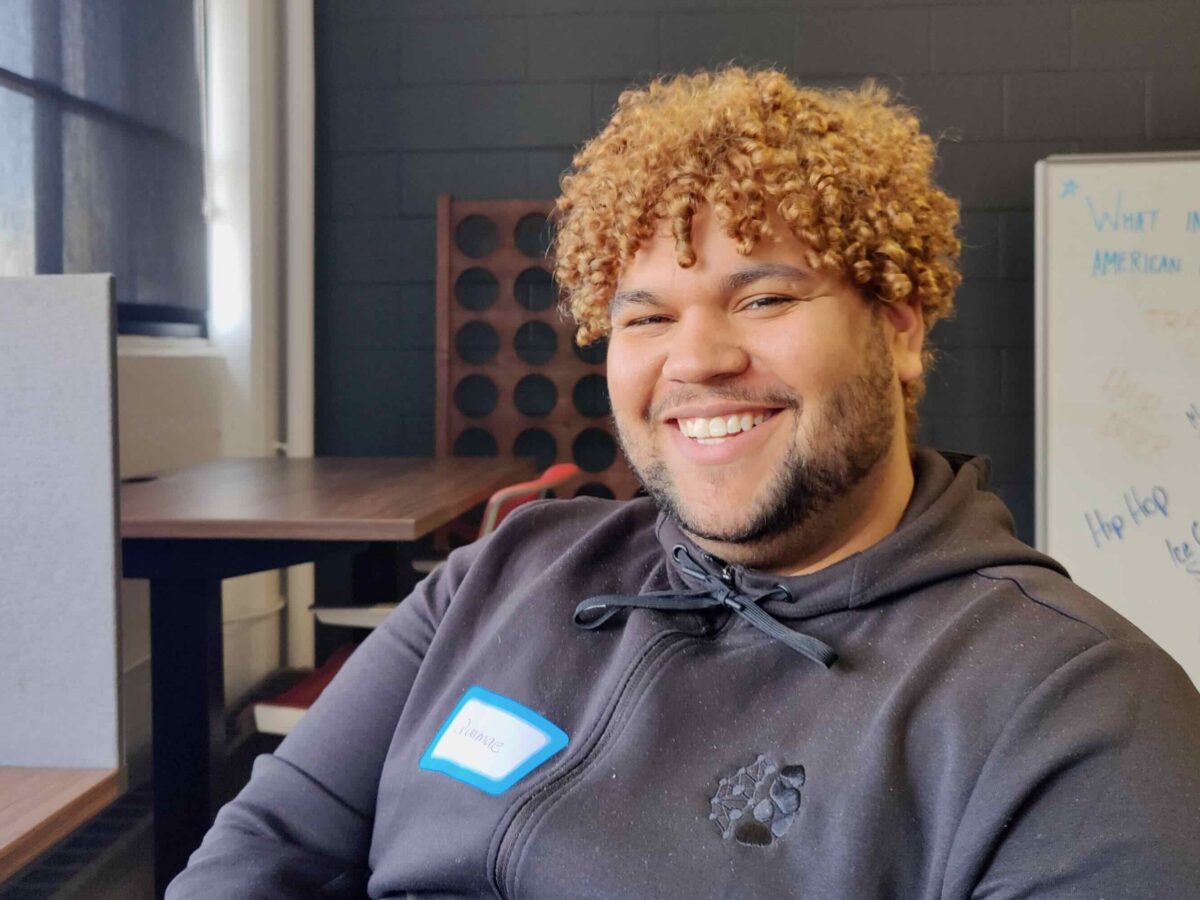
Shaquille Quamae Hall’s vision for Detroit youth: ‘Many hands make light work’
Detroit photographer and Planet Detroit Neighborhood Reporting Lab participant Shaquille Quamae Hall details his journey from mentee to mentor.

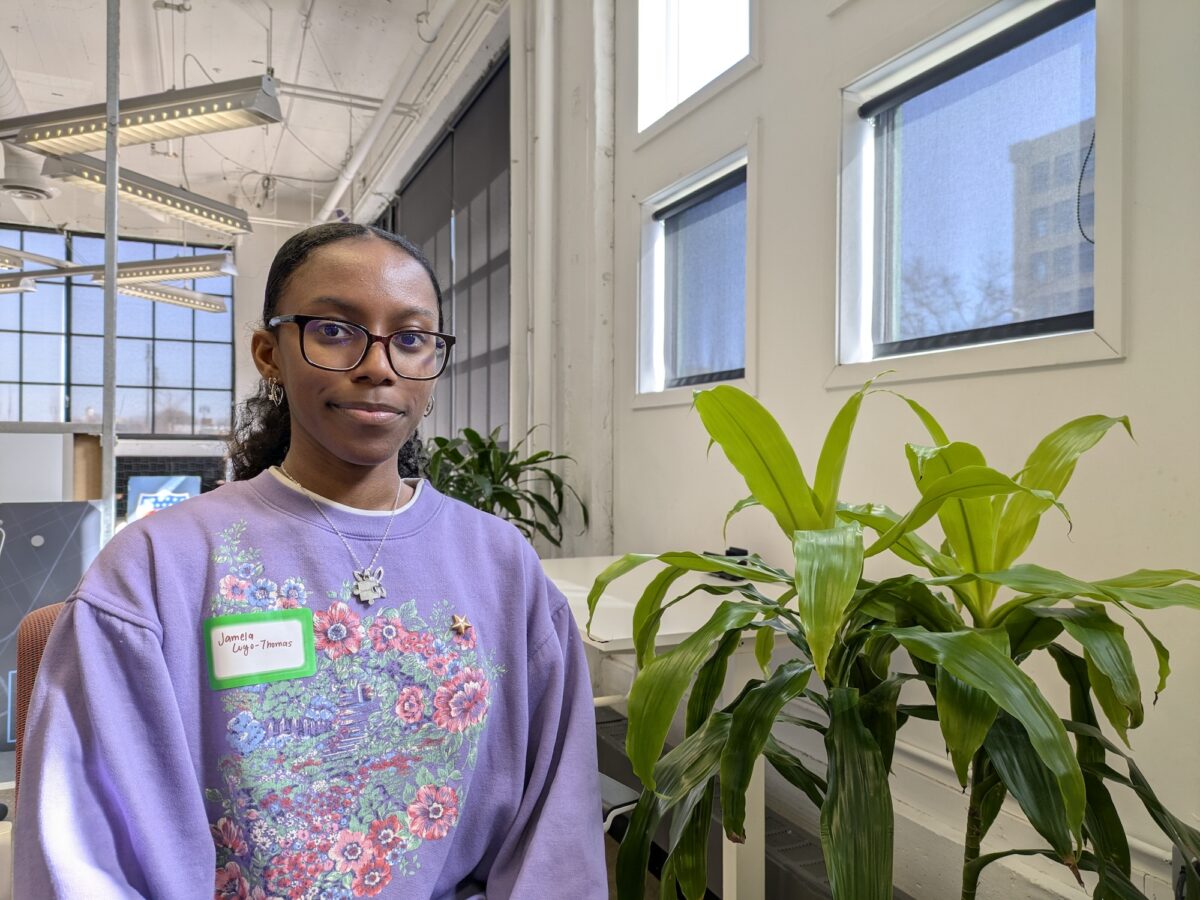
Highland Park resident and filmmaker Jamela Lugo-Thomas inspired by city’s water crisis
The College of Creative Studies grad combines lived experience with film to shine a light on issues of clean water access as part of Planet Detroit’s Neighborhood Reporting Lab.

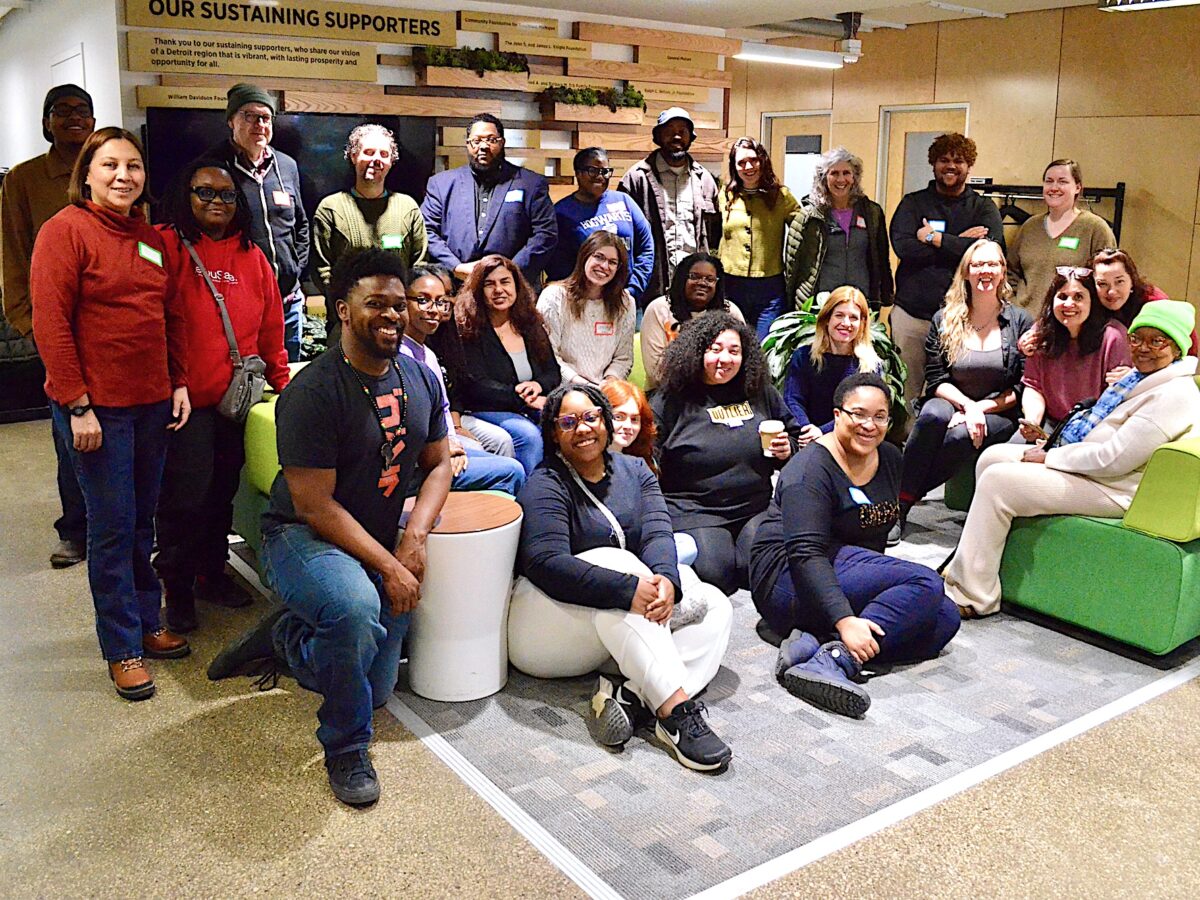
Detroit residents become reporters in Planet Detroit’s 2026 journalism program
Nineteen Detroit-area residents kicked off Planet Detroit’s third annual Neighborhood Reporting Lab, a six-week program that trains community members to tell environmental stories about their neighborhoods.
