

Overview:
- Michigan Senate committee advances a budget with $10 million in water assistance funding, double the $5 million allocated last year.
- Over 60 advocacy groups requested $60 million in funding, citing a growing utility affordability crisis and programs like DWSD Lifeline H2O running out of money.
- Advocates are pushing for permanent water affordability legislation that would cap bills for low-income residents and provide shutoff protections.
The Michigan Senate Appropriations Committee voted to advance a budget bill with $10 million in water assistance funding Thursday, double the amount included in last year’s state budget.
🗳️ Civic Action Toolbox
Why it matters
A budget bill advanced by the Michigan Senate Appropriations Committee contains $10 million in water assistance, double the amount included in last year’s state budget.
Who's making public decisions
The Michigan Senate will vote on the Department of Health and Human Services budget bill next week before sending it to the Republican-controlled Michigan House.
Upcoming Meetings
Contact Your Representatives
Civic Actions: What You Can Do
Organizations to Follow
What to watch for next
Watch for the Senate floor vote on the MDHHS budget bill expected next week, which will determine whether the $10 million in water assistance funding advances to negotiations with the House.
Are you taking action? Let us know.
Civic resources compiled by Planet Detroit
State Sen. Sylvia Santana (D-Detroit) highlighted the inclusion of water funding in the Senate’s Department of Health and Human Services budget in statements to the committee, saying it acknowledges that “access to clean, safe water is not a luxury; it is a basic human need.”
Water advocates requested $60 million in water assistance funding to counter what they said is a growing utility affordability crisis in an April 16 letter signed by over 60 nonprofits, advocacy organizations, and utilities.
Water assistance is needed to parallel the state’s Michigan Energy Assistance Program for electricity and heat, the letter said, adding that resources like the Detroit Water and Sewerage Department (DWSD) Lifeline H20 program are fully subscribed and in need of funding.
“Many people are struggling more with their water bills than they are with some of their other utility bills,” Cyndi Roper, a senior policy advocate with the Natural Resources Defense Council, told Planet Detroit.
The $10 million in the budget bill would help with emergency water assistance, but more is needed to allow residents to sustainably afford their water service, Roper said.
State funding traditionally flows through community action agencies like Wayne Metropolitan Community Action Agency, which serves Detroit and other cities in Wayne County, according to Kierra Smith, a DWSD spokesperson.
Wayne Metro previously supported DWSD’s Lifeline program with the help of money from state budget allocations, Smith said.
Roper said it’s important for the Michigan Senate to take the lead on water funding. The Health and Human Services budget passed by the Republican-controlled Michigan House contains no funding for water affordability.
Last year’s budget allotted $5 million in water assistance funding statewide.
State Sen. Stephanie Chang (D-Detroit), who has introduced water affordability legislation, said the $10-million appropriation is a fraction of what’s needed, but would still be a success when measured against last year’s funding.
A statewide need exists to support water affordability initiatives, Chang said.
Following a funding shortfall, the DWSD program reduced the number of customers it serves from roughly 30,000 households to around 5,000 a year, the Detroit Free Press and BridgeDetroit reported this week.
Water affordability legislation needed, advocates say
Advocacy groups want to find a permanent solution for water affordability rather than trying to find money for short-term water assistance in the budget every year, Roper said.
The letter from advocacy groups pushed legislators to pass the bipartisan water affordability package that was introduced in the Senate last year.
This legislation would create a statewide water affordability program that would cap water bills for low-income Michiganders and add shutoff protections, among other measures.
Last year, the Michigan House also introduced water affordability legislation that would enact income-based billing, debt forgiveness, and shutoff protections.
Chang said water affordability could be an important issue for voters this fall.
“Affordability is on everyone’s mind whether it’s energy bills or water bills, or the rents that people can’t afford, or the rising cost of health care,” Chang said.
Erin Dickenson, with Santana’s office, said the DHHS budget bill will likely go to the Senate floor for a vote next week before being transmitted to the House.
UTILITIES NEWS
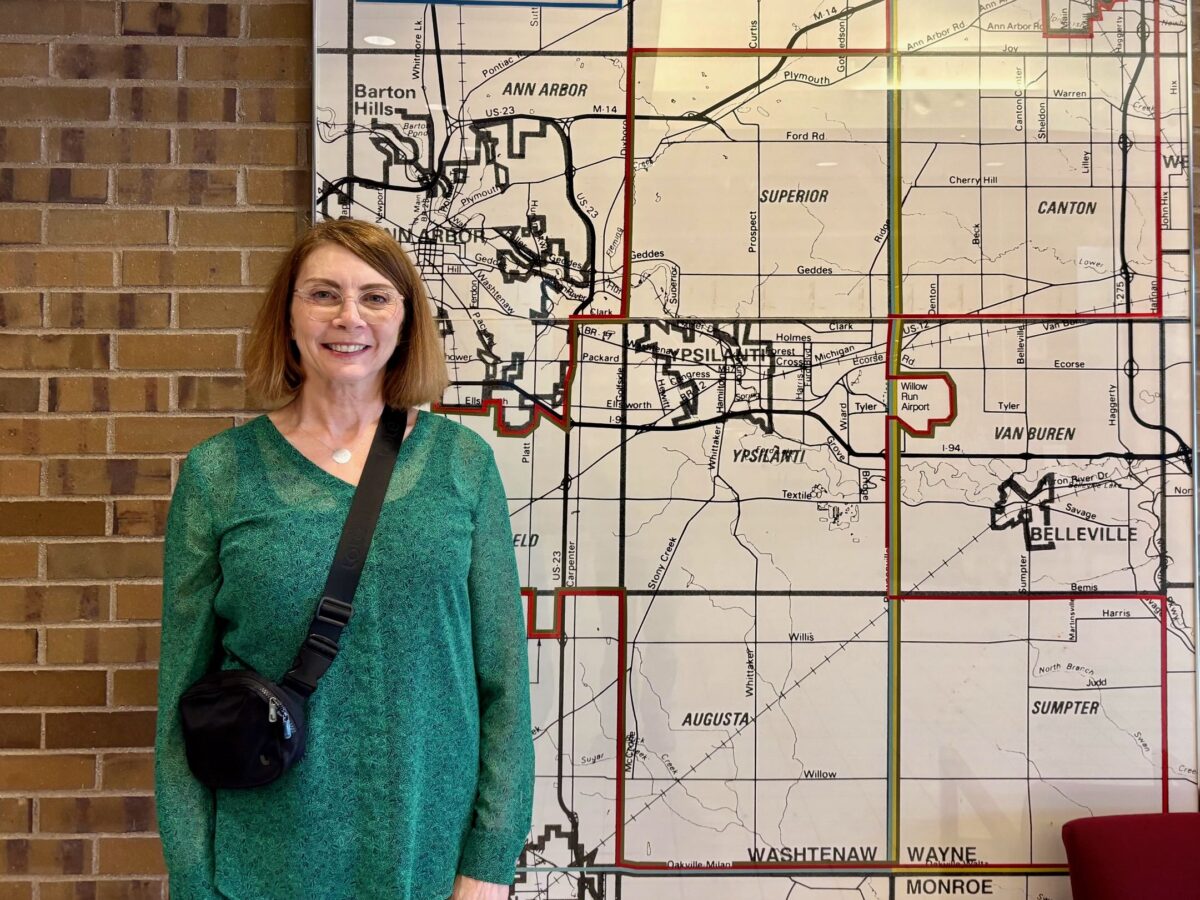
Ypsilanti utility OKs 12-month ban on supplying water for data centers
The Ypsilanti Community Utilities Authority approves a 12-month moratorium on supplying water to data centers, blocking service to facilities including a planned $1.2-billion University of Michigan project.

Detroit’s water affordability program at capacity
Detroit’s Lifeline H2O program, which reduces water bills to $34 a month for low-income residents, has stopped accepting applications after reaching capacity. The program is expected to reopen this summer.

Michigan increases energy bill assistance as White House looks to end LIHEAP
Michigan increases energy assistance by $15 million as White House proposes cutting federal LIHEAP program that helps 400,000 residents.