

Overview:
- EPA is rescinding federal limits on four PFAS compounds finalized in 2024, while allowing water systems to delay compliance with remaining PFOA and PFOS standards.
- Michigan's PFAS standards remain in effect but are significantly weaker than the rescinded federal limits for most compounds, leaving communities like Grayling and Oscoda with less protection.
- The rollback affects communities across metro Detroit where 59 areas showed detectable PFAS levels in 2024, with some detecting only the compounds that are now losing federal protection.
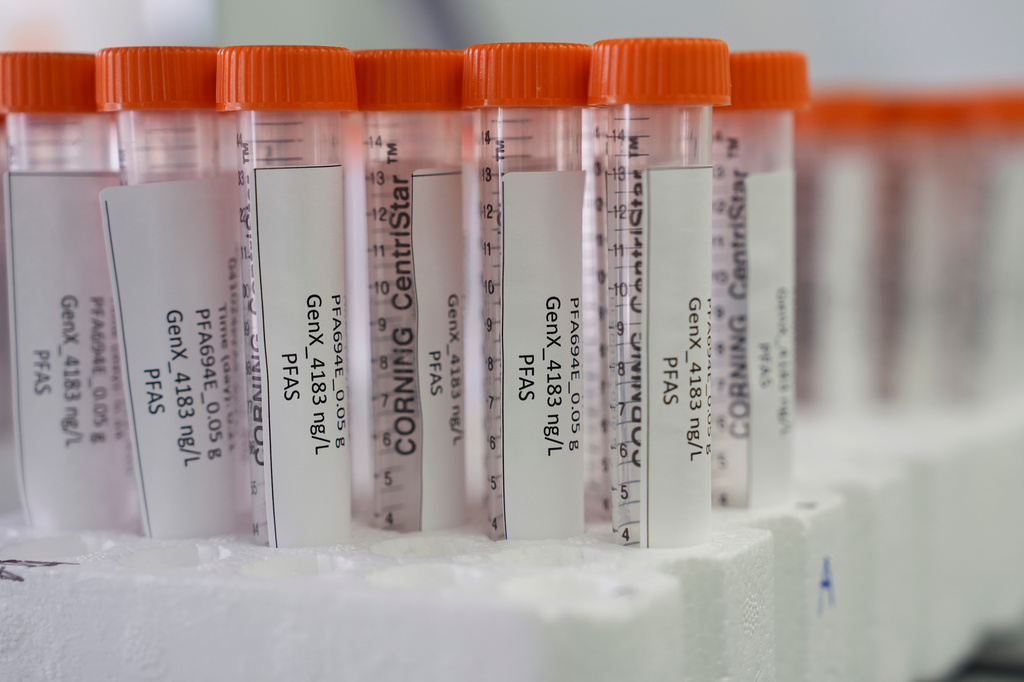
The Trump administration announced Monday that it’s rolling back most of the federal drinking water standards for PFAS finalized just two years ago, a move that could weaken protections for Michigan communities already dealing with widespread contamination from the toxic “forever chemicals.”
The EPA proposed rescinding federal limits on four of the six PFAS compounds covered by the 2024 Biden-era rule, while creating a process that would allow water systems to delay compliance with the two remaining standards.
The chemicals are estimated to contaminate drinking water for more than 200 million Americans, according to a peer-reviewed study by the Environmental Working Group.
🗳️ Civic Action Toolbox
Why it matters
Michigan residents will lose stricter federal protections for four PFAS compounds found in their drinking water as the the U.S. Environmental Protection Agency rolls back Biden-era drinking water standards.
Who's making public decisions
Upcoming Meetings
Open Comment Periods
Civic Actions: What You Can Do
Organizations to Follow
What to watch for next
Are you taking action? Let us know.
Civic resources compiled by Planet Detroit
The 2024 standards were the first new drinking water contaminant limits the EPA had set in 27 years. At the time, agency officials said the rules would reduce PFAS exposure for about 100 million people and prevent thousands of illnesses, including deaths linked to kidney cancer, bladder cancer, and cardiovascular disease.
For Michigan, there’s a significant buffer: the state set its own enforceable maximum contaminant levels (MCLs) for PFAS in drinking water in 2020, and those aren’t changing.
“Michigan’s PFAS MCLs are currently in effect and the state has no plans to change them as a result of yesterday’s news,” Scott Dean, a spokesperson for Michigan’s Department of Environment, Great Lakes, and Energy, told Planet Detroit.
“The clean-ups underway at military sites have always been under the state standards, and we don’t see that changing.”
Still, the federal rules would have pushed Michigan’s protections further. As Planet Detroit reported in 2024, the state’s PFOA limit is 8 parts per trillion, twice the federal standard of 4 ppt that remains in place. Michigan water systems will still need to meet that tighter federal limit, though now possibly on a delayed timeline.
The bigger gap is on the four compounds being rescinded: federal limits of 10 ppt for PFHxS, PFNA, and GenX are gone entirely, leaving Michigan’s own standards, which are significantly weaker than the rescinded federal limits for most of those chemicals, as the only protection.
Environmental advocates and former federal regulators say the rollback still carries real consequences for Michigan communities, particularly those contaminated with the specific chemicals the EPA just dropped.
The EPA decision
EPA Administrator Lee Zeldin and Health and Human Services Secretary Robert F. Kennedy Jr. framed the announcement as part of the administration’s “Make America Healthy Again” agenda. The agency touted nearly $1 billion in new grant funding for PFAS treatment, highlighted destruction technologies, and positioned the changes as necessary corrections to what it called a legally flawed Biden-era rule.
The original standards, finalized in April 2024, set enforceable MCLs for six PFAS compounds, required monitoring to begin by 2027, and set a compliance deadline of 2029.
The EPA is now issuing two proposed rules. One would create a process for water systems to apply for a two-year extension on PFOA and PFOS compliance. Zeldin argued the extra time is needed because “a deadline you cannot physically meet is not a public health protection.” An EPA official declined to say whether most applicants would be likely to receive an extension.
The second proposed rule rescinds the MCLs for PFHxS, PFNA, and GenX, as well as the hazard index, which covers mixtures of two or more specific PFAS compounds.
The EPA’s stated justification is procedural: the Biden administration combined steps of the regulatory process that the Safe Drinking Water Act requires to happen separately. The agency says it intends to reevaluate those chemicals for regulation, but hasn’t committed to a timeline.
Kennedy, who has championed the “Make America Healthy Again” movement, defended the changes. “I’ve read articles in the corporate media that say we’re trying to roll back PFAS protections, but that’s not true,” he said at Monday’s press conference. He characterized the move as a “clean water mandate.”
But Melanie Benesh, vice president of government affairs at the Environmental Working Group, said the rollback may be illegal, noting that the Safe Drinking Water Act prevents the EPA from issuing regulations weaker than those already in place.
She described the approach as “a little more surgical and measured” than the administration’s wholesale attacks on other environmental rules, “in part because of the resonance of these issues among voters.”
Why the rollback matters for Michigan
Here’s how Michigan’s state-level limits compare to the federal standards that were just rescinded.
Michigan’s PFHxS standard is 51 ppt, more than five times the rescinded federal limit of 10 ppt. Its GenX standard is 370 ppt, compared to the federal 10 ppt. For PFNA, Michigan is stricter at 6 ppt. But across most of the rescinded compounds, Michigan residents will now be held to a looser standard than what the federal rule required.
The loss of the federal backstop is most concerning for communities dealing with the specific chemicals being rescinded. The Great Lakes PFAS Action Network highlighted Grayling and Oscoda, where military fire training operations contaminated aquifers with PFHxS, one of the four compounds losing its federal standard.
“The EPA has dismantled science-based standards for four PFAS chemicals meant to protect the health of millions of Americans, including members of the armed services and residents of military communities like Grayling and Oscoda,” said Tony Spaniola, co-chair of the Great Lakes PFAS Action Network.
Elin Betanzo, a drinking water expert and owner of Safe Water Engineering, said the damage goes beyond a policy setback.
“Repealing the health index sets us back decades in terms of progress in public health protection,” Betanzo said.
“Meanwhile, these contaminants appear in Americans’ drinking water every day. This action means years of additional exposure to these forever chemicals before we are protected from the chemical industry’s legacy.”
PFAS contamination across metro Detroit
Planet Detroit reported in 2024 that PFAS chemicals were present in drinking water across the region, with detectable levels found in 59 areas in southeast Michigan, including municipal water supplies, schools, childcare providers, and workplaces. The contamination spanned Oakland, Wayne, Macomb, Livingston, and Washtenaw counties. That analysis found 15 public water systems that matched or exceeded then-new federal standards.
The scope of the problem has grown since then. According to the Environmental Protection Network, a group of more than 600 former EPA staff, federal monitoring data released in June 2025 identified 9,323 PFAS-contaminated sites serving 165 million people nationwide, with more data still to come.
Some communities detected only the PFAS compounds that are now losing federal protection, not PFOA or PFOS. According to the Environmental Working Group, those water systems would no longer be required to install filtration under the revised rules.
Benesh noted that shorter-chain PFAS, such as GenX and PFBS, pass through commonly used granular activated carbon filters more quickly than PFOA and PFOS, meaning water systems would need to replace their filters more frequently and invest in additional maintenance to keep people protected. Without a federal requirement, that may not happen.
Critics say the science doesn’t support the delay
EPN also issued comments challenging the EPA’s rationale for both proposed rules.
On the compliance delay, EPN argued that Congress was clear in the Safe Drinking Water Act that extensions shouldn’t exceed five years, and the 2024 rule already used the maximum.
Water systems serving more than 3,300 people already have monitoring data from federal testing, so they could use more of the compliance window for treatment rather than testing, the group said.
On the rescission, EPN’s comments noted that the legal interpretation the Biden EPA used to combine regulatory steps was well-justified in the 2024 rule, and that the Safe Drinking Water Act provides a six-year review process for updating standards as science evolves.
Rescinding the standards entirely, rather than revising them through that process, leaves communities without any federal protection while the EPA starts over, according to EPN.
Dr. Betsy Southerland, a former director in EPA’s Office of Water, said the delays would mean continued exposure to chemicals linked to preterm births, immune suppression in children, and liver and kidney damage.
“Let’s not mistake ambitious rhetoric for actions on real health protections,” Southerland said. “Americans’ test should be to see whether EPA moves quickly to strengthen and enforce safeguards that actually reduce exposure to toxic PFAS chemicals in Americans’ drinking water, food, air, and environment.”
EPN also raised concerns about the EPA’s simultaneous dismantling of its Office of Research and Development, which has led the agency’s PFAS toxicity assessments and exposure science, even as the administration says its approach is grounded in “gold-standard science.”
What happens next?
The two proposed rules will be published in the Federal Register with a 60-day public comment period. The EPA will hold a public hearing on July 7, 2026.
Planet Detroit previously reported on what the Trump administration and Project 2025 could mean for Michigan’s environment, including weakened PFAS protections. That reporting noted the tension between federal rollbacks and Michigan’s independent regulatory authority on PFAS, a dynamic now playing out in real time.
Michigan residents on private wells can contact their local health department about testing for PFAS. Information about Michigan’s PFAS response, including a statewide survey of public water supplies, is available through EGLE’s PFAS response page.
DRINKING WATER NEWS
$10 million in water assistance funding advances in Michigan Senate: ‘Basic human need’
The Michigan Senate Appropriations Committee advanced a budget Thursday with $10 million for water assistance—double last year’s amount but far short of the $60 million advocates say is needed to address Michigan’s growing water affordability crisis.

Ypsilanti utility OKs 12-month ban on supplying water for data centers
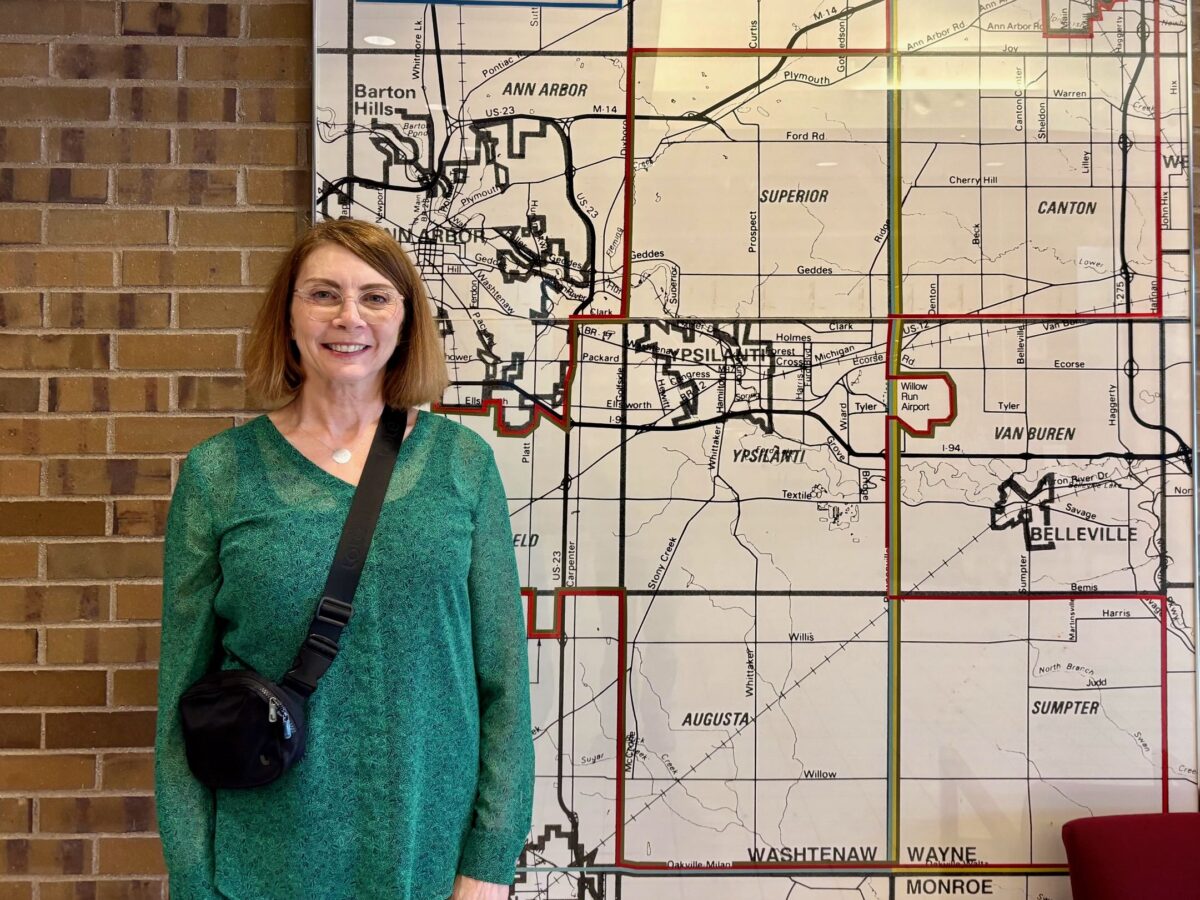
The Ypsilanti Community Utilities Authority approves a 12-month moratorium on supplying water to data centers, blocking service to facilities including a planned $1.2-billion University of Michigan project.
Michigan drinking water expert ousted from EPA council: A warning to whistleblowers?
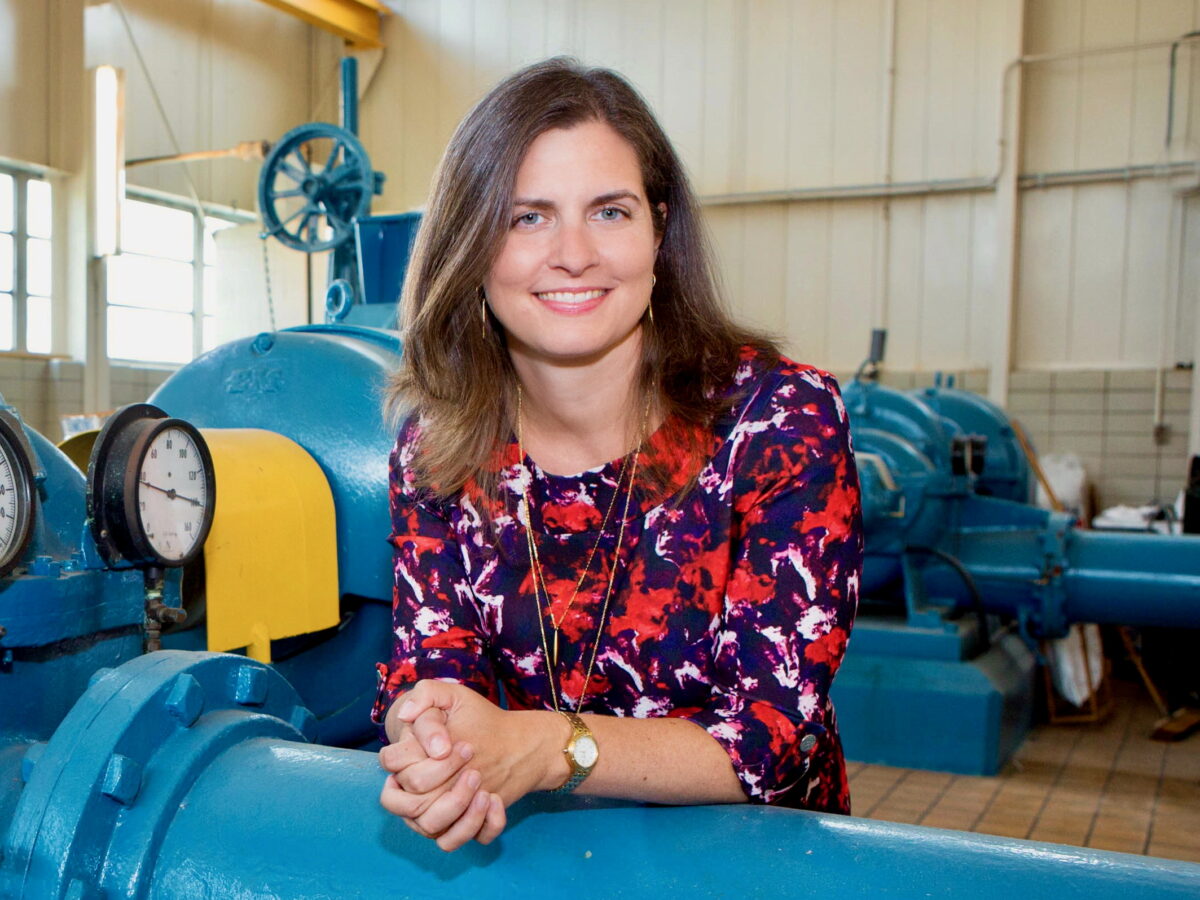
The dismissal of Elin Betanzo from the National Drinking Water Advisory Council by the EPA has sparked concerns about retaliation against those advocating for science-based policies. Her removal follows a seven-month investigation into her signing of a letter criticizing Trump-era environmental rollbacks, highlighting the challenges faced by experts prioritizing community health and transparency.