

Overview:
- Allen Park Planning Commission votes 7-2 to reject plan for 26-megawatt Solstice Data development near homes and a high school.
- Commissioners recommended a six-month moratorium on data centers to develop regulations for water use, noise, and environmental impacts.
- Residents voice concerns about air pollution in an area with high asthma rates, utility cost increases, and AI's impact on jobs.
Allen Park city planners turned down a data center proposal Thursday to cheers from residents.
🗳️ Civic Action Toolbox
Why it matters
The data center proposal in Allen Park came in a Downriver area that already has high rates of asthma and chronic lung disease.
Who's making public decisions
The Allen Park City Council will decide whether to adopt a six-month moratorium on data center developments, potentially as soon as next week.
Upcoming Meetings
Civic Actions: What You Can Do
Organizations to Follow
What to watch for next
Watch for an Allen Park City Council vote on the proposed six-month moratorium on data center developments, which could come as early as next week.
Are you taking action? Let us know.
Civic resources compiled by Planet Detroit
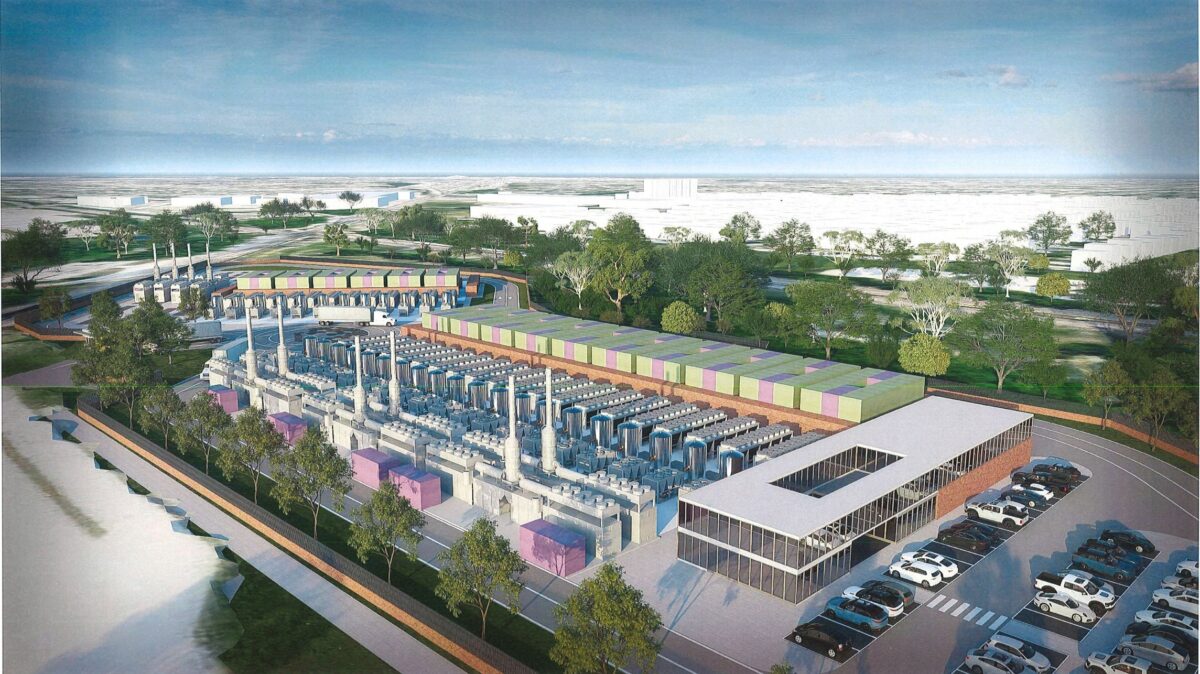
The Allen Park Planning Commission voted 7-2 to deny approval for a 26-megawatt data center planned for a site on Enterprise Drive south of I-94.
Commissioner Madison LaPalm made the motion to deny the preliminary site plan approval for the Solstice Data facility in the Downriver community.
The rejection is due to the need for extensive revisions to comply with the city’s zoning ordinance; missing information; a lack of adequate engineering studies on the facility’s impacts; and a sound study that failed to demonstrate noise-related nuisance will be mitigated, among other reasons, LaPalm said.
The commission passed a resolution recommending the city adopt a six-month moratorium on data center developments.
City Councilmember and Planning Commissioner Daniel Lloyd expressed concern at Thursday night’s meeting about the speed with which data centers are being developed and the planning commission’s lack of tools to address emerging technology.
“It is going so fast that we are asking questions that they do not have the answers to,” Lloyd said.
David Gibson, Solstice Data senior vice president for power and land, told commissioners that since the decision was last postponed in May, the company had been working to finalize a design for site plan approval; allow city officials to review it and comment; and bring the design back to the commission on Aug. 6.
The data center can be built “by right” as long as the developer meets all the city’s zoning regulations, Gibson said.
Planner Mike Auerbach, with Carlisle/Wortman Associates, said Thursday that Solstice could go to the city’s Zoning Board of Appeals to challenge the site plan denial.
Solstice did not respond to a request for comment about whether it plans to sue the city over the denial or otherwise challenge the decision.
The Allen Park proposal is part of a “cluster of data centers” Solstice Data plans to develop in Metro Detroit, according to documents submitted by the company to the city.
Air pollution, AI among resident concerns
The commission postponed a decision on the project multiple times, and said developer Solstice Data needed to provide further sound studies and address concerns about water use.
Residents are already struggling with rising prices, and data centers could add to ratepayers’ power costs, while data center-powered artificial intelligence threatens jobs, Joanna Whaley, a Michigan House of Representatives candidate, told Planet Detroit.
The data center would be located near homes and Melvindale High School, which could experience noise from the facility, Whaley said.
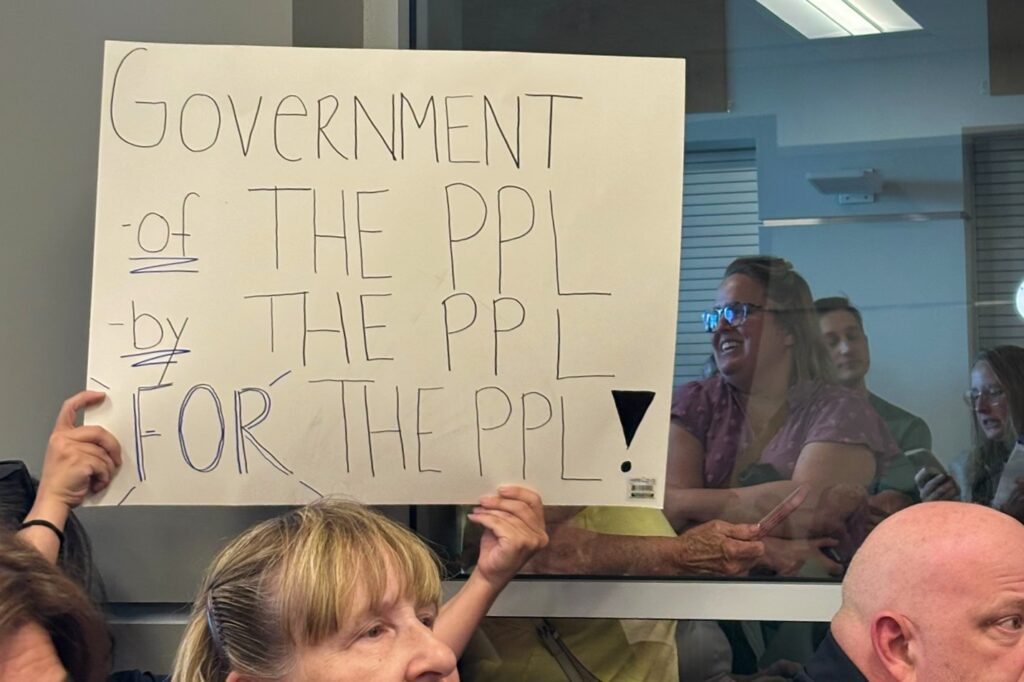
Nicole Hopkins, an Allen Park resident and nurse practitioner, told planning commissioners at a March 5 meeting the facility would add pollution in an area with high rates of asthma and chronic lung disease.
She emphasized the facility’s proposed location near the high school, Inter-City Baptist Church, and Maple Heights Senior Living.
In 2025, Detroit received an F for air quality in the American Lung Association’s State of the Air Report.
Michigan’s environmental justice screening tool shows the proposed data center site is in the 78th percentile, with areas to the east and south in the 98th and 88th percentile. The scores from MiEJScreen indicate pollution exposure and sensitive populations that are well above average.
Communities need data center protections, councilmember says
It was important not to recommend the moratorium while the Solstice project was actively being considered, Commissioner Lloyd told Planet Detroit Friday. He previously said such a moratorium could be construed as targeting a specific project.
A six-month moratorium would allow the city to develop an ordinance to address water usage, noise, and issues like trucking for data centers and other industries that use large quantities of resources, Lloyd said.
The timeline is “reasonable and fair” for the developers and will give the city sufficient time to develop an ordinance, he said.
Allen Park City Council could take up a moratorium as soon as next week, Lloyd said.
When asked about potential litigation from data center developers, he said that, as a planning commissioner and city councilmember, he felt “comfortable that we’ll be able to defend the actions that were taken last night.”
Municipalities like Allen Park have been put in a difficult position by the Michigan Legislature and Gov. Gretchen Whitmer, Lloyd said.
The governor and lawmakers supported data center tax breaks without providing the kind of controls that would empower municipalities to properly regulate the industry, he said.
In a press release celebrating the groundbreaking for Oracle and OpenAI’s 1.4-gigawatt data center project in Saline Township, Whitmer said the project would bring jobs and investment and that Michigan is handling the developments the right way.
“We’re ensuring that any company that invests in our communities will pay their own way, fulfill their commitment to good-paying jobs, create energy savings for residents, and be good neighbors by protecting our precious air, land, and water,” she said.
Whaley, the House candidate, said she’s proud of the commissioners for listening to the community and rejecting the data center plan — and proud of residents who keep showing up to meetings.
“We’re gonna celebrate with one eye open,” she said.
“These corporations have a lot of resources and we just want to make sure that our community is safe for the long term.”
Project would meet sound limits, use less water than many facilities: Developers
Solstice Data’s Gibson and Robert Coates provided updated information on the data center at the May 13 planning commission meeting. The data center’s water usage would fall below the city’s 20th-largest water customer and would not put the city’s municipal water at risk, they said.
The data center’s cooling system would not be connected to municipal water, and wastewater would be handled by a contractor and not sent to the municipal sewer, although an emergency water line would allow the facility to draw on municipal water, the Solstice Data executives said.
The facility’s noise levels, including its 12 backup generators, will meet the city’s 60 dB(A), or A-weighted decibel limit, at the project’s property lines, according to a Solstice noise study from April 30.
Allen Park Building Department Director Matt Baker previously told Planet Detroit the project would not require a new electrical substation.
The data center would create 200 temporary construction jobs and bring $6.2 million to $7.4 million in property tax revenue to the city each year, Tony Graham, commercial leader for Solstice Data, said in January.
Coates, project director for Solstice, said in March that the data center would create 30 permanent jobs.
DATA CENTER NEWS

Data center news: Altman visits Saline data center, says it’s ‘huge bet’ on AI
Saline Township data center is “huge bet” on AI, says OpenAI CEO Sam Altman. Oracle co-CEO says the data center’s components could cost an additional $40 billion.


Substation for 1 GW Google data center clears planning commission despite overflow crowd’s objections
Van Buren Township planning commission grants preliminary approval for a substation serving Google’s planned 1-gigawatt data center Wednesday, despite concerns from overflow crowds about noise, property values, and infrastructure strain.

Detroit community group launches study of data center development: ‘It’s really important that we do this soon’
As data center proposals spread across Michigan, residents on Detroit’s east side are organizing to slow development or minimize harm to neighborhoods already overburdened with industry.