

Overview:
- Sacred Grounds helps Detroit houses of worship transform outdoor spaces into rain gardens and native plant habitat to reduce flooding and support pollinators.
- The program has trained nearly 150 residents in Cody-Rouge neighborhood to maintain stormwater infrastructure, creating a ripple effect of community gardens.
- Director Tiffany Jones bridges faith and environmentalism by meeting communities where they are, addressing local needs from flooding to youth education.
Planet Detroit’s neighborhood reporters are local residents who cover health, environment and climate issues in their neighborhoods. The Lab is made possible with the generous support of the Kresge Foundation.
An outdoorsy kid raised between Catholic schools and Sunday service at her father’s Detroit Baptist church, Tiffany Jones spends her time bridging communities at the intersection of faith and environmental stewardship.
Surrounded by scripture much of her childhood, Jones says environmentalism was rarely discussed.
“There wasn’t anyone there saying, ‘Let’s go outside. Hey, this tree was made by God, y’all!’ But why weren’t these things connecting?” Jones told Planet Detroit.
“I knew that I loved being in nature. I know I found God in nature.”
Today, as the National Wildlife Federation’s director of community engagement for the Great Lakes region, Jones leads Sacred Grounds, a program that helps Detroit houses of worship transform their outdoor space into native plant habitat and rain gardens.
Through building rain gardens, the program works to address stormwater runoff that causes flooding, while creating habitat for birds, bees, and more. The program is organized alongside partners National Fish and Wildlife Foundation, and Sierra Club Michigan Chapter.
Jones said the program goes beyond green infrastructure to expanding the faith community’s footprint in local sustainability efforts.
“Houses of worship are well-respected and established hubs where people already gather and commune,” she said. “This is just another way to activate those spaces, to do what they already do, but to add another pillar around environmental stewardship.”
Sparking ‘ripple effect’ of gardening
When Jones first moved from Chicago to Detroit as a child, she couldn’t help but notice her new town’s swaths of vacant land. Jones saw spaces with potential to be of great benefit where others saw blight or empty space.
“I had these really big thoughts, specifically around high school, before college, thinking about: ‘What ways we can utilize these spaces to be an asset for communities?’” Jones recalls.
That question guided Jones through her educational and professional journey, from her time as an undergraduate at the University of Michigan, where she studied the relationship between vacant lots, allergenic pollen, and public health. The research pushed her to ask larger questions about how communities manage land and how urban ecology could improve people’s daily lives.
From there, she began to notice parallels between what she learned in environmental science and what she heard throughout her life in church.
Jones said Detroit is prime for the kind of work Sacred Grounds is doing. Detroit’s first church, St. Anne’s Catholic Church, was built in 1701 when the city was settled by French colonists. Now, Detroit boasts hundreds of churches, mosques, shrines, and temples across its 139 square miles.
“Churches are big—they have a lot of property to do these types of projects,” Jones said.
Faith institutions aren’t as big as corporations and industry, “but they cover a lot of land,” she said.

Whether these are small neighborhood ministries or megachurches that draw people from across Metro Detroit, she added, they all have things in common: expansive roofs, large parking lots, and a dedicated group of community members who gather regularly.
It makes them ideal spaces for diverting gallons of stormwater that would otherwise collect on the city’s concrete and asphalt surfaces and contribute to flooding and sewage overflows.
Steve Wasko, executive director of St. Suzanne Cody Rouge Community Resource Center, has witnessed the toll flooding has had on the neighborhood.
“It’ll just drizzle around here, and all the homes on Piedmont Street will report that they got water in the basement,” said Wasko.
The Cody-Rouge neighborhood on Detroit’s west side is at major risk of flooding, according to the climate modeling firm First Street.
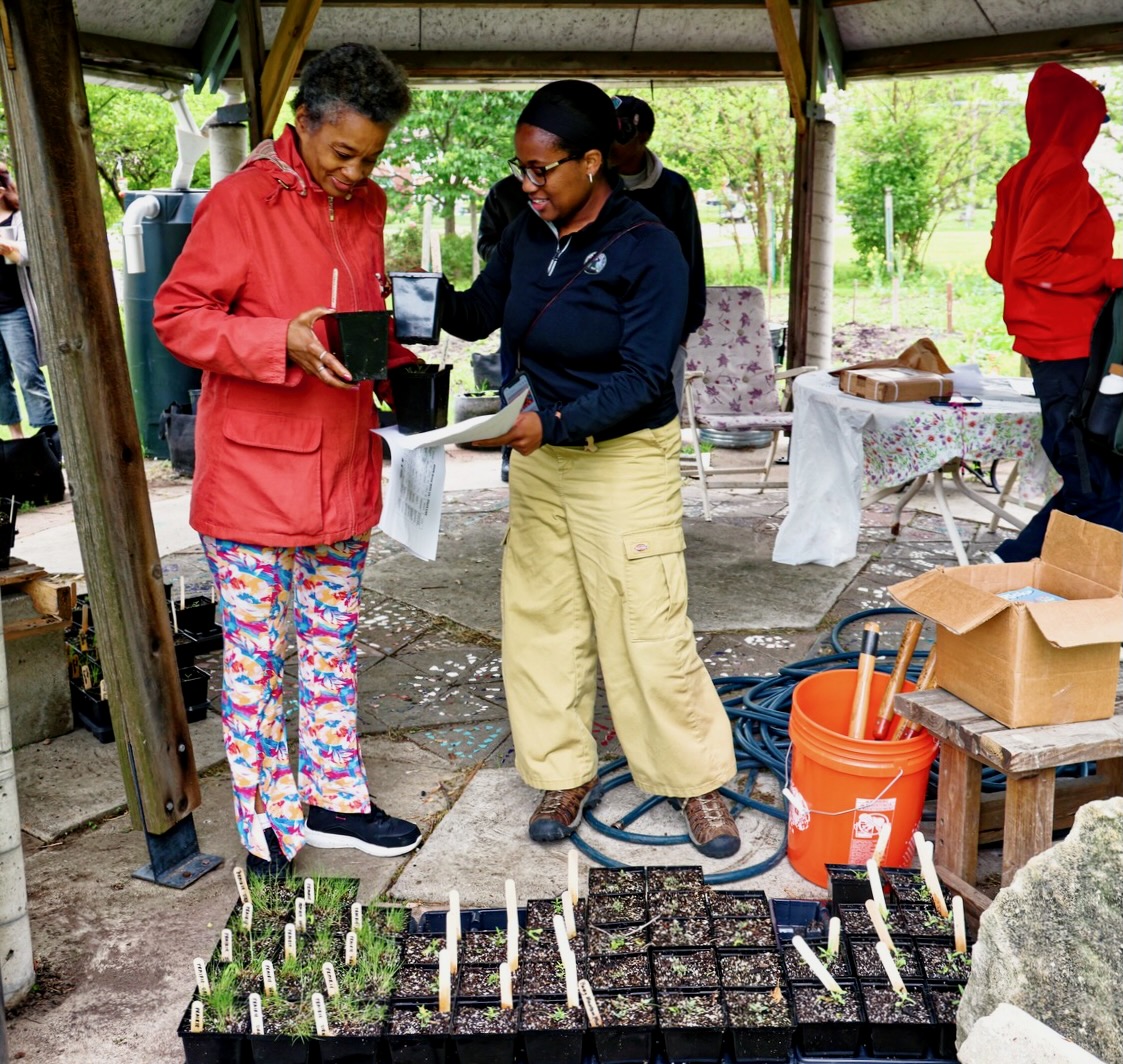
Since connecting with Sacred Grounds, a community center tied to the St. Suzanne Our Lady Gate of Heaven Catholic parish has created a neighborhood stormwater infrastructure training program. So far, almost 150 residents have been certified and are maintaining rain gardens throughout the neighborhood, said Wasko.
Wasko, who grew up in the Cody Rouge neighborhood, said he’s noticed the ripple effect the program has on the community: more pollinator gardens and neighborhood curiosity.
“A community member watched us build a couple rain gardens for a few years, and by the third year he came up to me and said, ‘Steve, I’ve been watching what you guys are doing, I’ll build a rain garden in my backyard,’” Wasko said.
“I’m convinced that underlying issues behind flooding and power outages, and all those other things that we are used to in neighborhoods like Cody Rouge, are, at least in part, a result of lack of education, awareness, and employment opportunities that introduce people to these fields.”
‘Social connectivity is a part of environmental justice’
Jones says Sacred Grounds’ aim isn’t to convince communities to care about conservation. Some communities are interested in building habitat, others in reducing flooding and lowering drainage fees. Some want outdoor gathering spaces or educational programming. Some focus on youth, others on older adults.
“The approach that we take is meeting people where they are,” said Jones. “What do you want your community to be? How can we help you get there?”
When Sacred Grounds launched in 2018, the program focused on native plants and wildlife habitats. Then one congregation challenged the program, said Jones.
“They said, ‘We think your programs should stay around, but you’re kind of missing the mark on how you can address issues that are happening in our community, like flooding,’” she recalled.
Sacred Grounds now goes beyond habitat restoration and works to build community capacity around green infrastructure, specifically rain gardens.
Amethyst Crawford manages St. Suzanne Cody Rouge’s education, workforce, and community garden programs. She and Jones coordinated a native plant distribution to engage community members and help reduce flooding.
“We understand that these long root systems that are connected to the native plants help to grab that water and keep flooding down,” said Crawford.
Every native rain garden supports pollinators. But each project is also designed to cultivate something less visible: trust, belonging, knowledge, and the confidence for communities to shape their own future.
“It’s really about giving voice, creating conditions for empowerment for residents to speak for themselves,” Wasko said, “and to do so with some knowledge.”
MORE FROM PLANET DETROIT
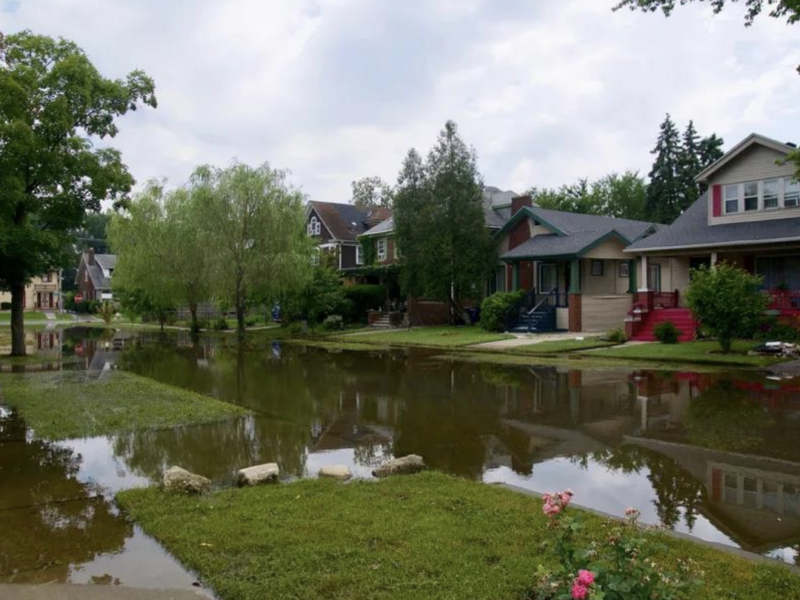
VOICES: How can Detroit residents protect their homes from flooding? New resource hub offers answers
The University of Michigan Detroit Sustainability Clinic has launched a new Flood Resilience Hub to help residents, neighborhood organizations, and community leaders access flood preparedness resources, funding opportunities, and resilience planning tools in one centralized platform.

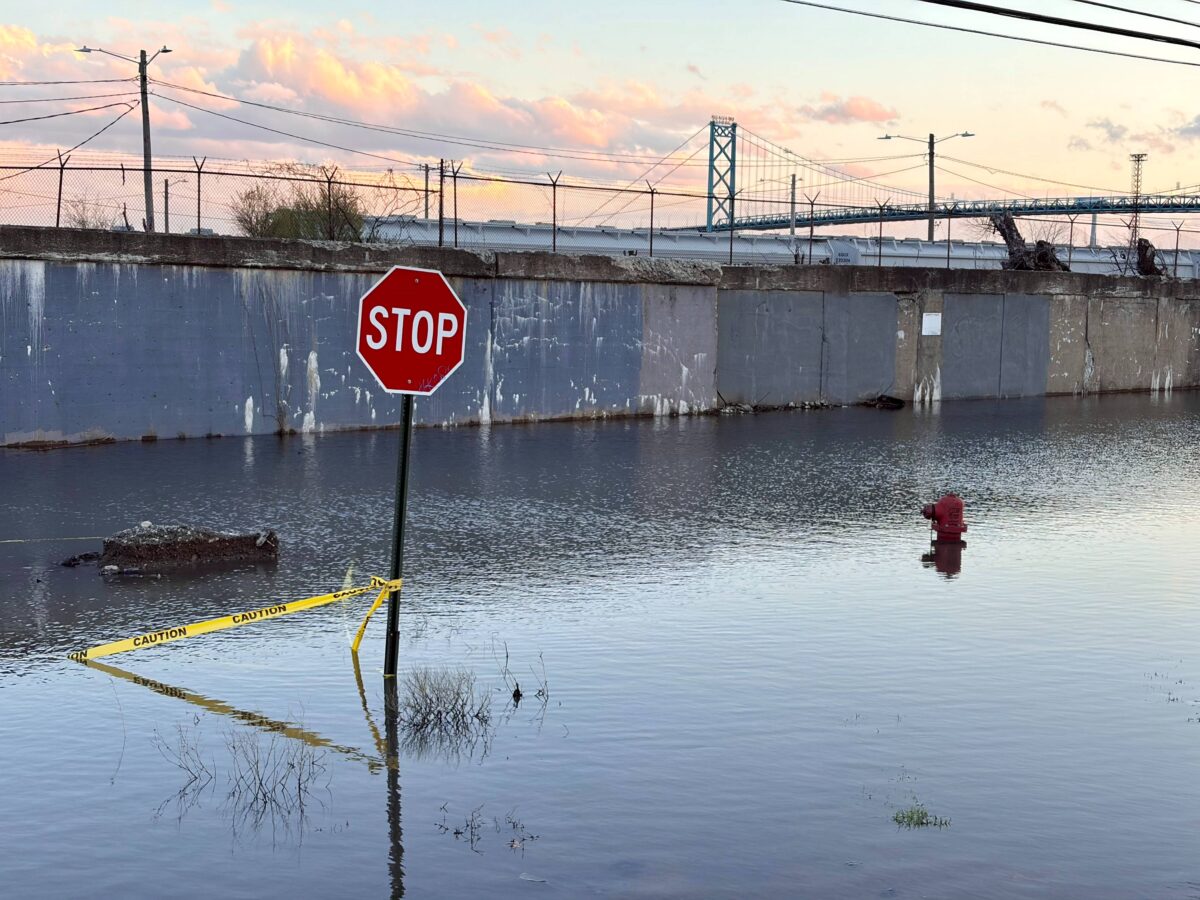
GUIDE: How Detroiters can prepare for flooding
A guide to help Detroit homeowners and renters protect their homes from flooding, including emergency alerts, damage claims, and safety tips.

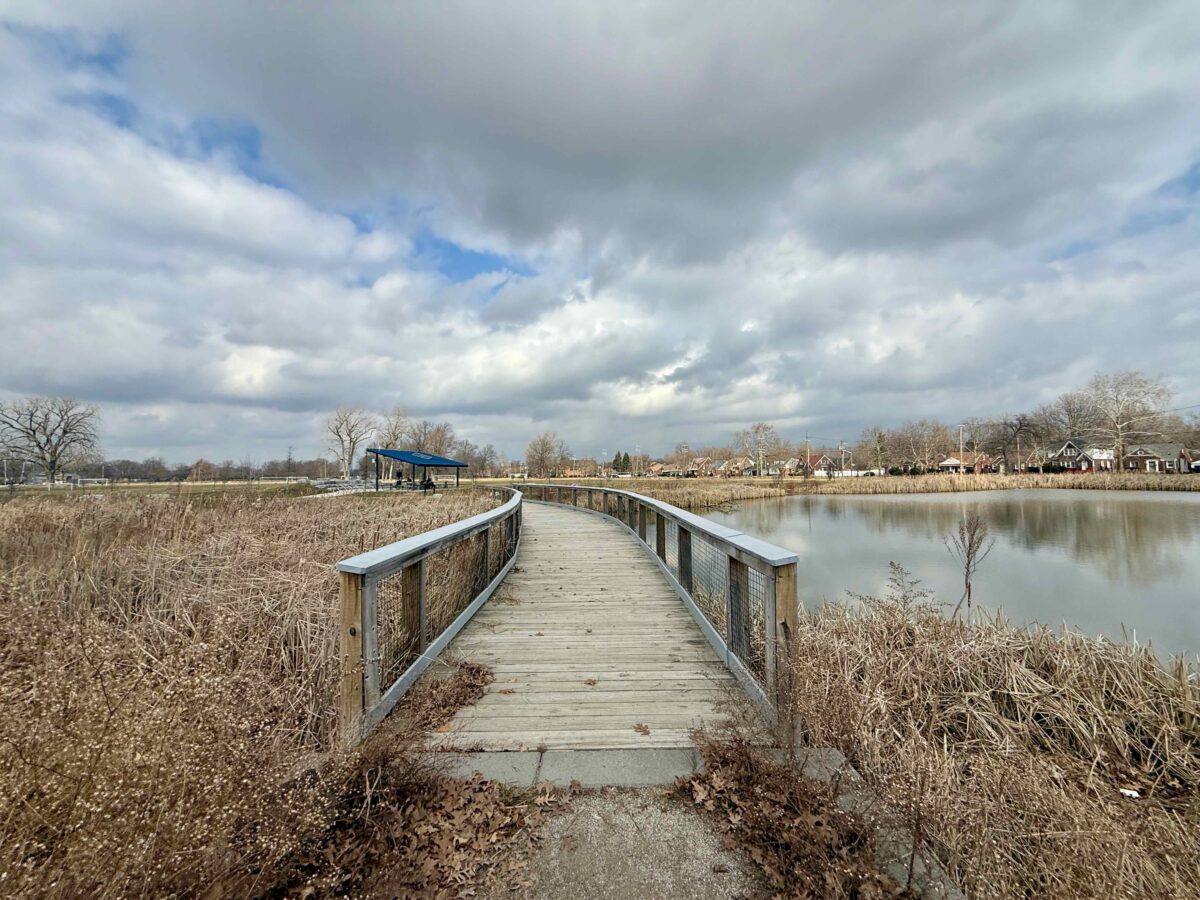
Green stormwater infrastructure in Detroit parks offers examples of flooding solutions
The Chandler Park Marshland “serves as an example of how we can do stormwater in the community,” says Alex Allen, president of the park conservancy.