

Overview:
- Arboretum Detroit has planted over 1,800 trees across 55 formerly vacant parcels in Poletown East since 2019, creating connected green spaces in a neighborhood historically impacted by industry.
- The organization acquires land through the Detroit Land Bank and private donations to prevent speculation and protect emerging forests, offering an alternative to traditional development.
- Detroit contains roughly 18 square miles of vacant land, and city planners are increasingly viewing some parcels as opportunities for ecological restoration rather than redevelopment.
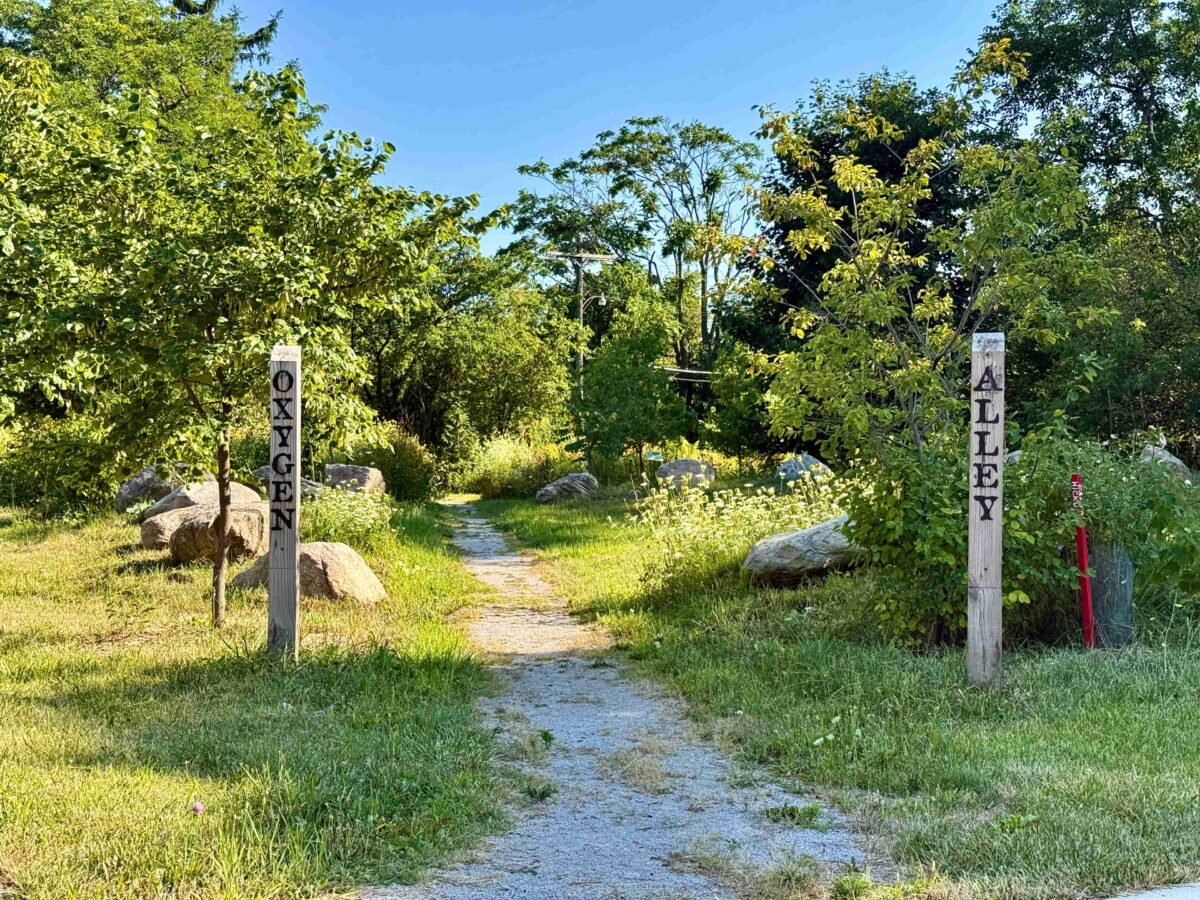
A bold vision for Detroit’s vacant land is unfolding in Poletown East. Since 2019, Arboretum Detroit has planted over 1,800 trees across 5 acres between East Grand Boulevard and Warren Avenue, creating an archipelago of intentionally stewarded green spaces in the neighborhood.
🗳️ Civic Action Toolbox
Why it matters
The tree canopy filters air pollution and provides green space in Poletown East, a neighborhood dealing with the health impacts of decades of industrial contamination, including the trash incinerator that closed in 2019 and facilities that continue to operate nearby.
Who's making public decisions
Arboretum Detroit acquires vacant parcels from the Detroit Land Bank Authority and private donations. The city’s 2022 Parks and Recreation strategic plan helps guide long-term decisions by the city about which vacant lands become parks versus redevelopment sites.
Civic Actions: What You Can Do
Organizations to Follow
What to watch for next
Visit the Arboretum Detroit website to learn more about neighborhood events, and how to volunteer and donate.
Are you taking action? Let us know.
Civic resources compiled by Planet Detroit
The forests don’t appear all at once. They emerge lot by lot, stitched together by footpaths, native prairie, fruiting shrubs, and young trees that soften the edges of one of Detroit’s industrialized neighborhoods.
Circle Forest anchors the landscape, while newer projects — including Sequoia Forest and the LandBack Project — continue expanding a patchwork of public green space across more than 55 formerly vacant parcels.
Taken together, Arboretum Detroit is doing more than planting trees. It’s testing what long-term stewardship of vacant land can look like in a city where thousands of empty lots are unlikely to be developed again anytime soon.
‘You just do it’
For Arboretum Detroit co-founder Andrew “Birch” Kemp, the work began years before the nonprofit officially formed.
“You don’t wait for the city to make a park in your neighborhood,” Kemp said. “You just do it.”
Influenced by Detroit’s DIY culture and his time entrenched in the city’s late 1980s punk scene, Kemp spent years planting trees wherever vacant land allowed. Informal stewardship came with limits: trees were mowed over, parks disappeared beneath new development and years of volunteer work could vanish with a single land sale.
Creating Arboretum Detroit in 2019 shifted the strategy from just planting trees to protecting the land beneath them.
The organization now acquires parcels through the Detroit Land Bank Authority and private donations, preserving connected open space and newly planted trees while reducing opportunities for speculation or development.
“It’s a defensive move,” Kemp said. “Against industry, against speculation, and against the kind of development we don’t want to see.”
That concern is rooted in the history of Poletown East, a neighborhood that serves as a prime example of the impact of industry.
Entire blocks were cleared decades ago in Poletown for the nearby General Motors assembly plant. Then came the Detroit waste incinerator, which burned the city’s trash until it closed in 2019 after years of organizing by residents and environmental advocates.
Although the smokestacks are gone, scrapyards, trucking facilities and hazardous waste operations remain nearby.
“The incinerator was the thing that really destroyed the neighborhood,” Kemp said. “People who could leave, did leave.”
Its legacy lives on in conversations about asthma, air quality, and cumulative environmental impacts.
Rather than attempting to undo generations of contamination beneath the soil, Arboretum Detroit focuses on improving the landscape above.
Trees filter airborne particulate pollution, cool surrounding streets, provide habitat for birds and pollinators, and create places where residents can walk, gather, and reconnect with land.
The canopy doesn’t just support the surrounding space, but catches pollutant particles before they can reach other neighborhoods downwind.
“We’re trying to build the Detroit we want to live in up here,” Kemp said.
The approach has attracted more than trees. Community gardens, urban farms, neighborhood organizations, and even a Buddhist temple have become part of an emerging landscape centered on stewardship rather than extraction.
“It’s been really cool to watch it happen,” Kemp said. “The energy around that healing is attractive to people.”
Greener vision for Detroit’s vacant land
The greening of Poletown East reflects a broader conversation unfolding across Detroit.
The city still contains roughly 18 square miles of vacant land, and organizations like Detroit Future City have long argued that not every empty parcel should be viewed through the lens of redevelopment.
Instead, some landscapes may serve greater long-term value as forests, wetlands, prairies, or community-managed green space that improve environmental health while reducing maintenance costs.
That thinking has increasingly shaped Detroit’s own planning. Partially guided by the 2022 Parks and Recreation strategic plan, the city has begun identifying areas where long-term investment in parks, ecological restoration, and green infrastructure may be a more realistic path than rebuilding neighborhood density.
Rather than treating every vacant lot as a future building site, planners are asking how connected open spaces can manage stormwater, reduce urban heat, improve air quality, and create healthier neighborhoods while acknowledging the city’s changing population.
Arboretum Detroit offers a neighborhood-scale example of what that future could look like. Its forests are built one parcel at a time, but together they suggest another way of thinking about Detroit’s vacant land: not as empty space waiting for development, but as infrastructure in its own right.
For Kemp, the ambition remains larger than 5 acres. He imagines tree-lined corridors connecting neighborhoods to the Joe Louis Greenway, and a city where residents inherit forests instead of fences.
“There’s not another urban area I know of that has the kind of potential that we do to reforest,” Kemp said.
Whether that vision spreads citywide will depend on policy as much as volunteers. In Poletown East, the experiment is already underway.
Seven years after Arboretum Detroit’s founding, new tree canopies are only beginning to spread, service berries ripen each summer along paths that once led past vacant lots, birds return to young forests, and volunteers continue planting.
The work is far from finished, but the landscape is already beginning to tell a different story.
MORE OUTDOOR COVERAGE
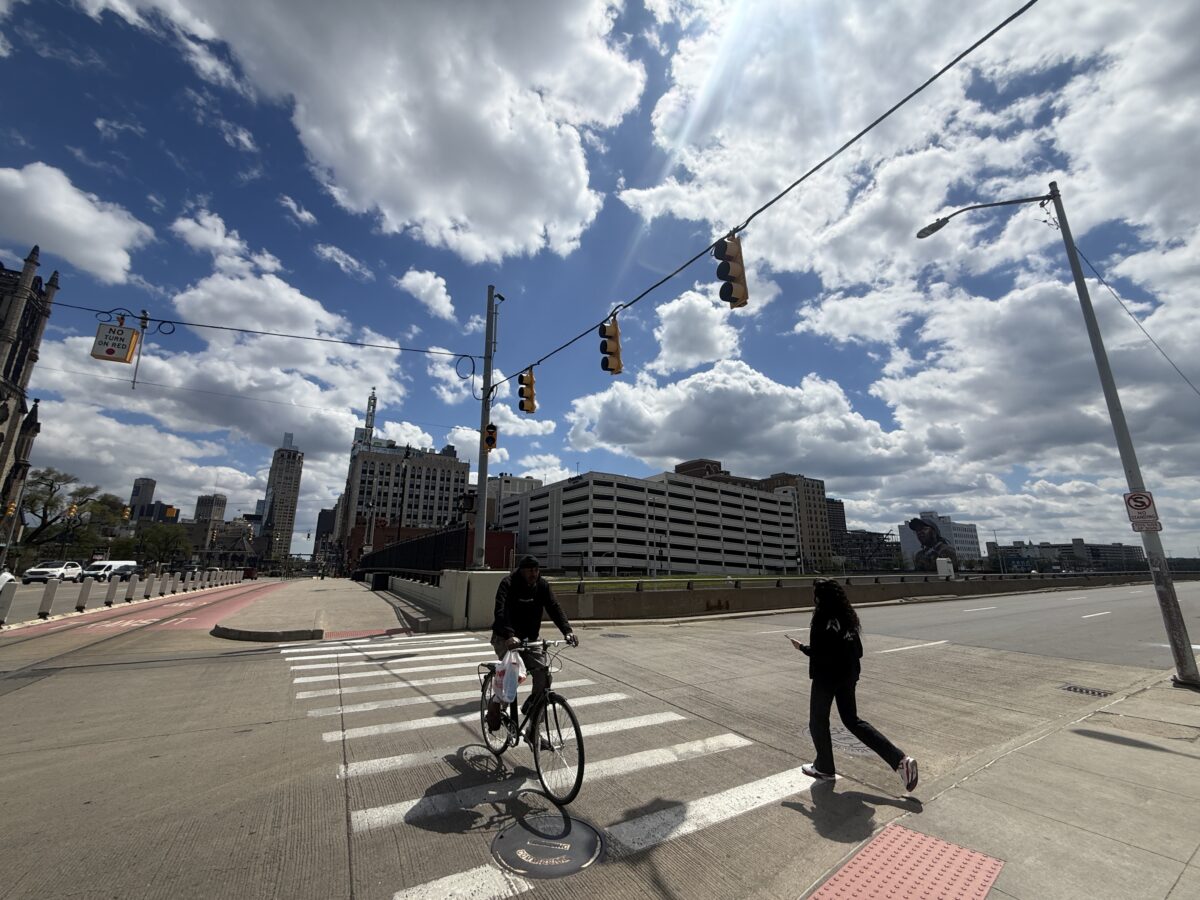
I-75 freeway cap plan aims to create public spaces, honor Paradise Valley history
The Downtown Detroit Partnership is exploring three park caps over I-75 to reconnect neighborhoods separated by the freeway and address noise and air pollution affecting nearby residents.

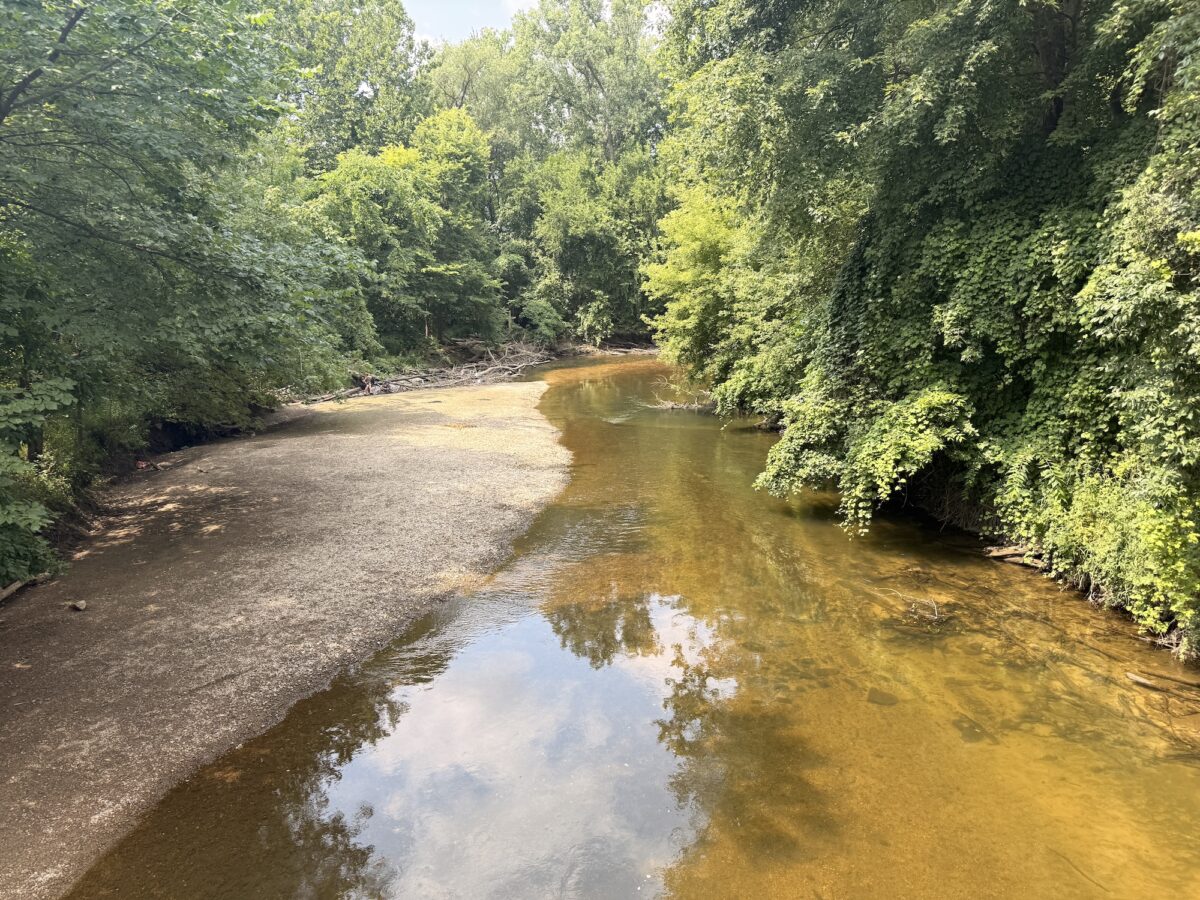
The Clinton River is a state-designated water trail. Here’s what you need to know.
The Clinton River Water Trail stretches 72 paddleable miles from Waterford to Lake St. Clair with 23 public access points. A new plan brings kayak racks, accessible launches, and interactive maps to Michigan’s most populated watershed.

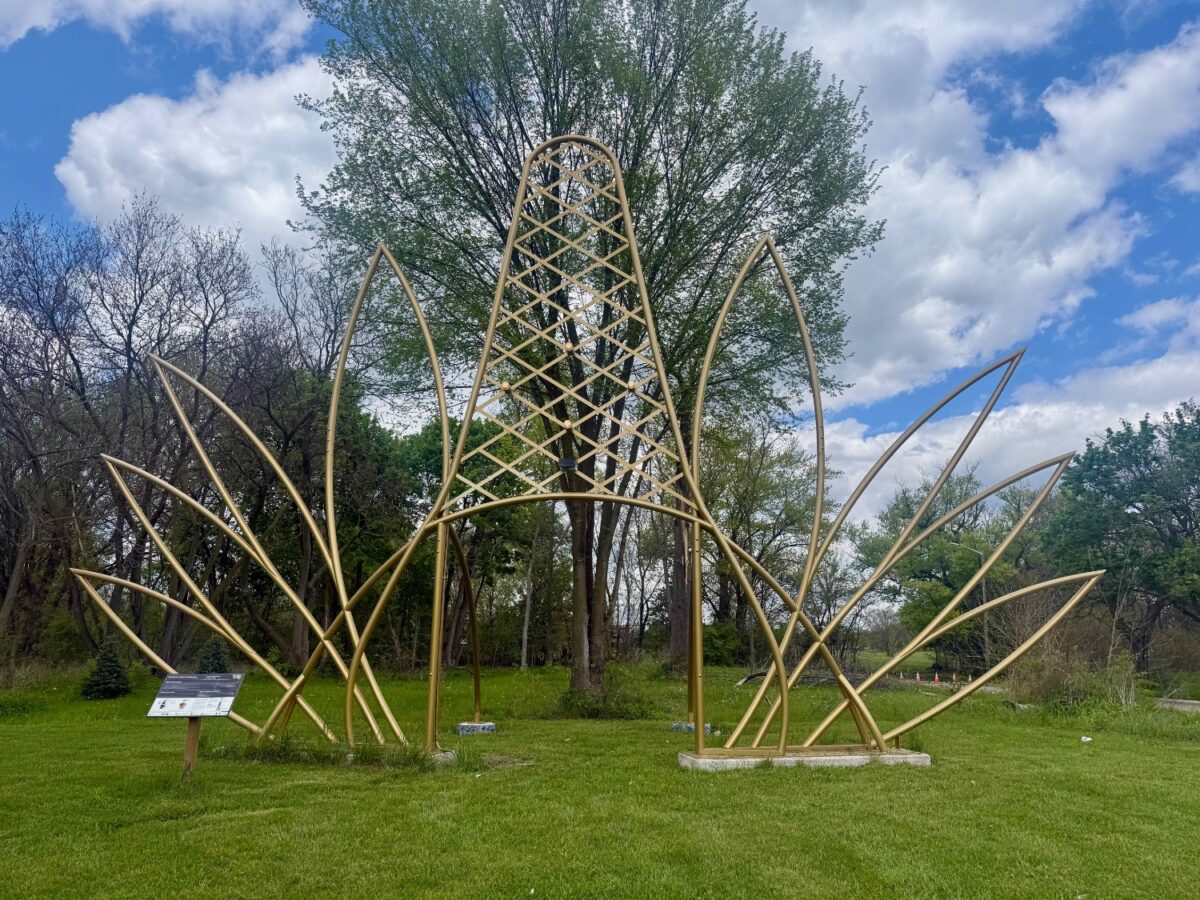
How Detroit’s East Canfield Art Park merges public art, health data
Sculpture at East Canfield Art Park on Detroit’s east side embeds air quality monitors in public art, providing real-time environmental data for a community living near industrial facilities.