

Overview:
- Planet Detroit is selected for CatchLight's Mental Health Visual Desk grant to report on climate anxiety among Detroit youth.
- The project centers on Climate Cafés, where young people can discuss climate-related grief and anxiety, plus a photography series documenting their experiences with pollution.
- Reporter Isabelle Tavares will produce documentary videos and work with students to create a collaborative photo essay published this fall.
Planet Detroit is one of eight newsrooms nationally selected for the second round of CatchLight’s Mental Health Visual Desk, a grant program supporting solutions-focused visual journalism on mental health.
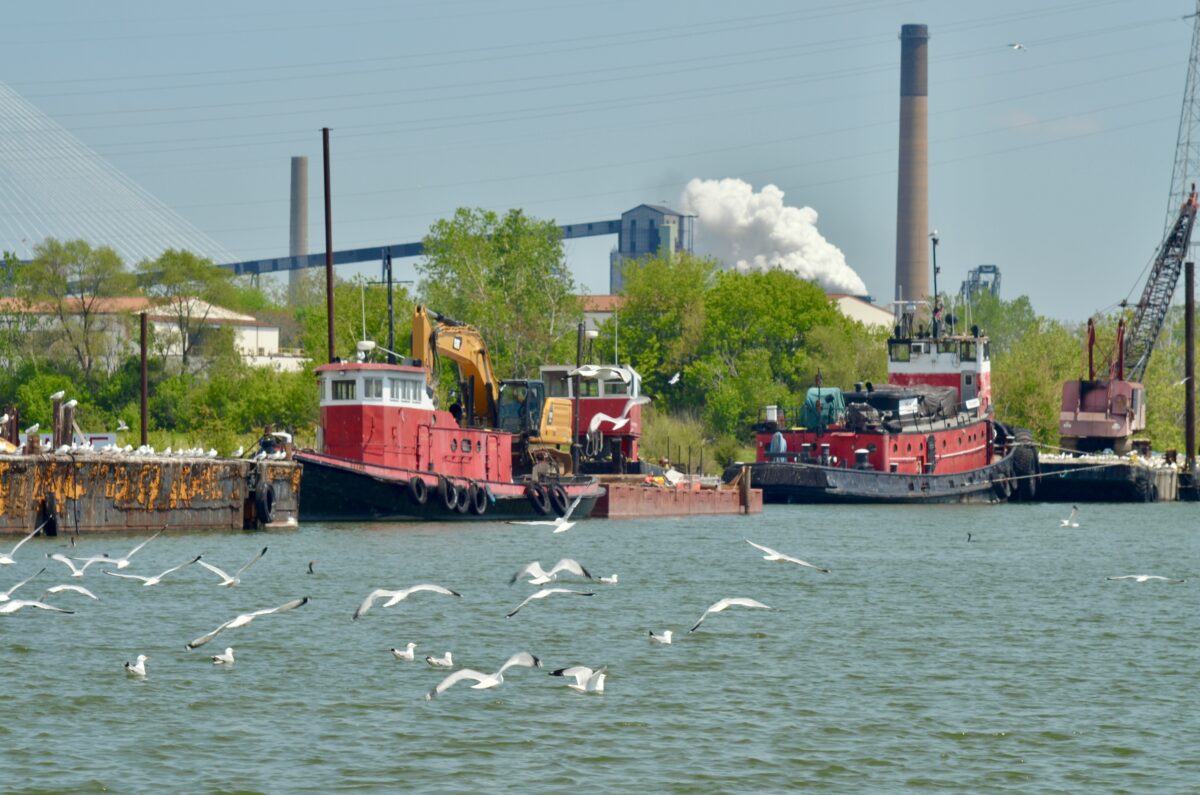
The funding will support a fall reporting project on how climate change is shaping the emotional lives of young people in Detroit, a city where residents have absorbed decades of industrial air, water, and soil pollution.
The project centers on Climate Cafés, which are structured group conversations developed by the Climate Psychology Alliance that give participants a place to talk about climate-related grief, anxiety, and uncertainty. They are not therapy, and they are not organizing meetings. Facilitators ask people how they’re doing rather than what they’re doing.
Speaking freely about climate in Detroit
Reporter Isabelle Tavares will lead the reporting. Tavares, who covers environmental and public health in Southwest Detroit for Planet Detroit through Report for America, will shoot and edit short documentary videos following participants through the fall.
“The mental health impacts of climate change are real. For young people who live near industry, climate anxiety isn’t abstract. It’s tied to daily smells, visuals, sounds, and health effects like asthma,” Tavares said.
“I want this project to be a haven for those youth to process their lived experience — the frustration or grief that accompanies living with a pollution burden they didn’t cause — instead of immediately asking what can we do about it on a policy level,” she said.
Two Climate Cafés will anchor the project. The first, planned for Sept. 27, will be held off the record with roughly 10 participants ages 16 and up, so students can speak freely and decide for themselves whether they want to be part of the published reporting.
A second session in November will be on the record, with participants reflecting on what has changed for them and presenting photographs they made over the fall. Both sessions will be led by Maksim Batuyev, an artist and climate communicator who founded the Climate Café LA initiative and has facilitated climate mental health conversations internationally.
Planet Detroit is working with students from the Detroit Writing Room, Coaching Detroit Forward, and the Detroit Summer Journalism Camp as part of the CatchLight program. Students will work under a parental consent and release process, and no student will appear in published work without it.
Visual storytelling on Detroit pollution
Photography will carry much of the storytelling. Photographer Olivia Stier, a multidisciplinary artist working in the Great Lakes region whose portraiture deals with grief and attachment to place, will make an experimental portrait series with two or three student participants.
Those images may involve layering scans of air pollution soot over a portrait, or developing film in water pulled from the Rouge River — techniques that put the pollution itself into the picture.
Stier will teach a beginner photography course at the September session and co-lead a photo walk.
Every student at the first Café receives a disposable camera. What they shoot over the following weeks will become a collaborative photo essay published in December.
“We’ve covered pollution in Detroit for years: the permits, the monitors, and the enforcement gaps,” said Nina Ignaczak, founder and executive editor of Planet Detroit.
“The emotional cost of growing up inside all of that has never really been on the record here. Climate Cafés are one attempt at a response, and part of our job is to report honestly on what they do and what they don’t.”
Stories will be published on planetdetroit.org through the fall and will be available for republication by Planet Detroit’s syndication partners, including the Associated Press, BridgeDetroit, and El Central, the region’s English-Spanish newspaper.
Along with funding, CatchLight grantees receive visual editorial guidance, mentorship, and engagement support.
CatchLight launched the Mental Health Visual Desk in 2025 as a three-year initiative and expanded it nationally this year. The other newsrooms selected for this round are MinnPost; Verite News; San Francisco Public Press in collaboration with Mindsite News; Fort Worth Report; WBUR; Montana Free Press; Flatwater Free Press; and Mindsite News.
MORE CLIMATE NEWS
Environmental groups call for Detroit data center moratorium as city develops ordinance
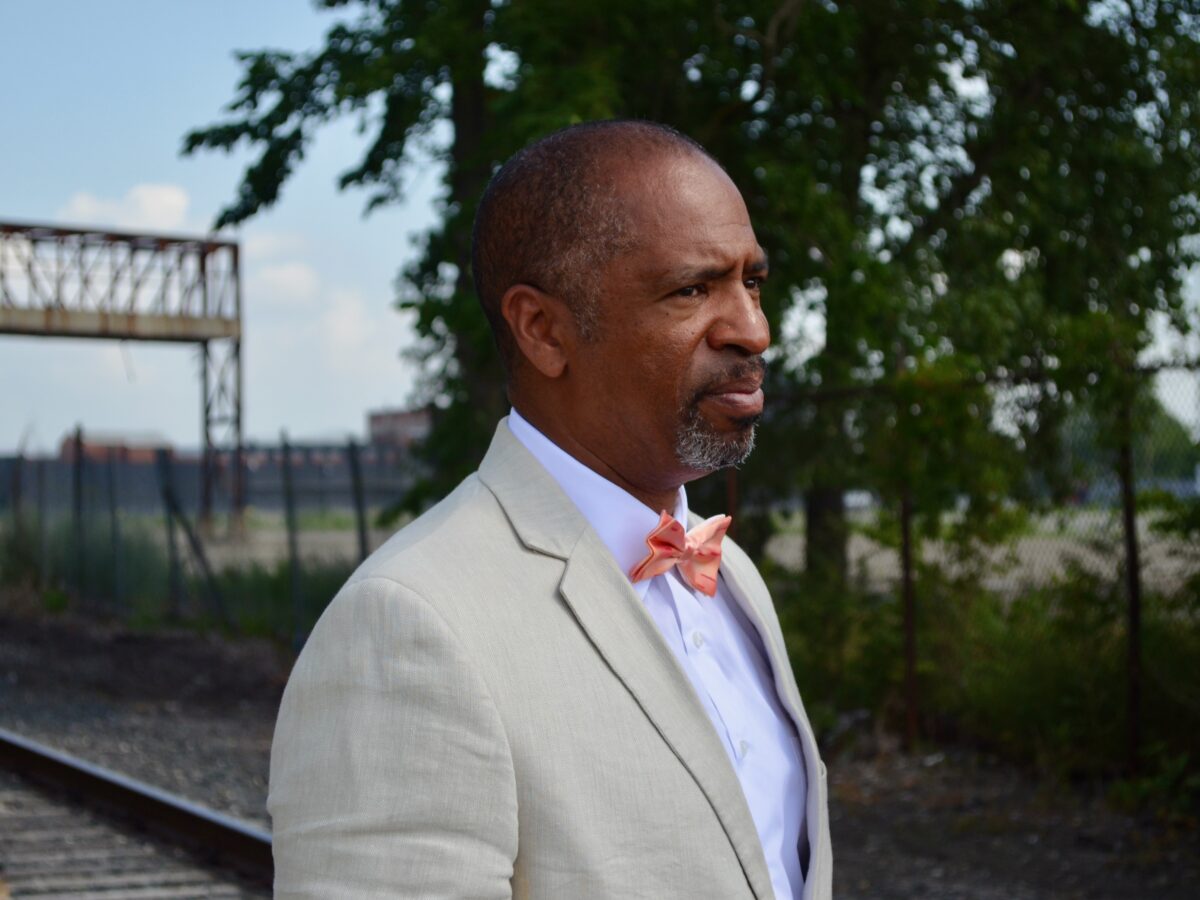
Environmental justice groups criticized Detroit’s data center working group process and call for a moratorium on the facilities.

Southeast Michigan’s flood cleanups continue in courtrooms, boardrooms: How are we rebuilding for stormier future?
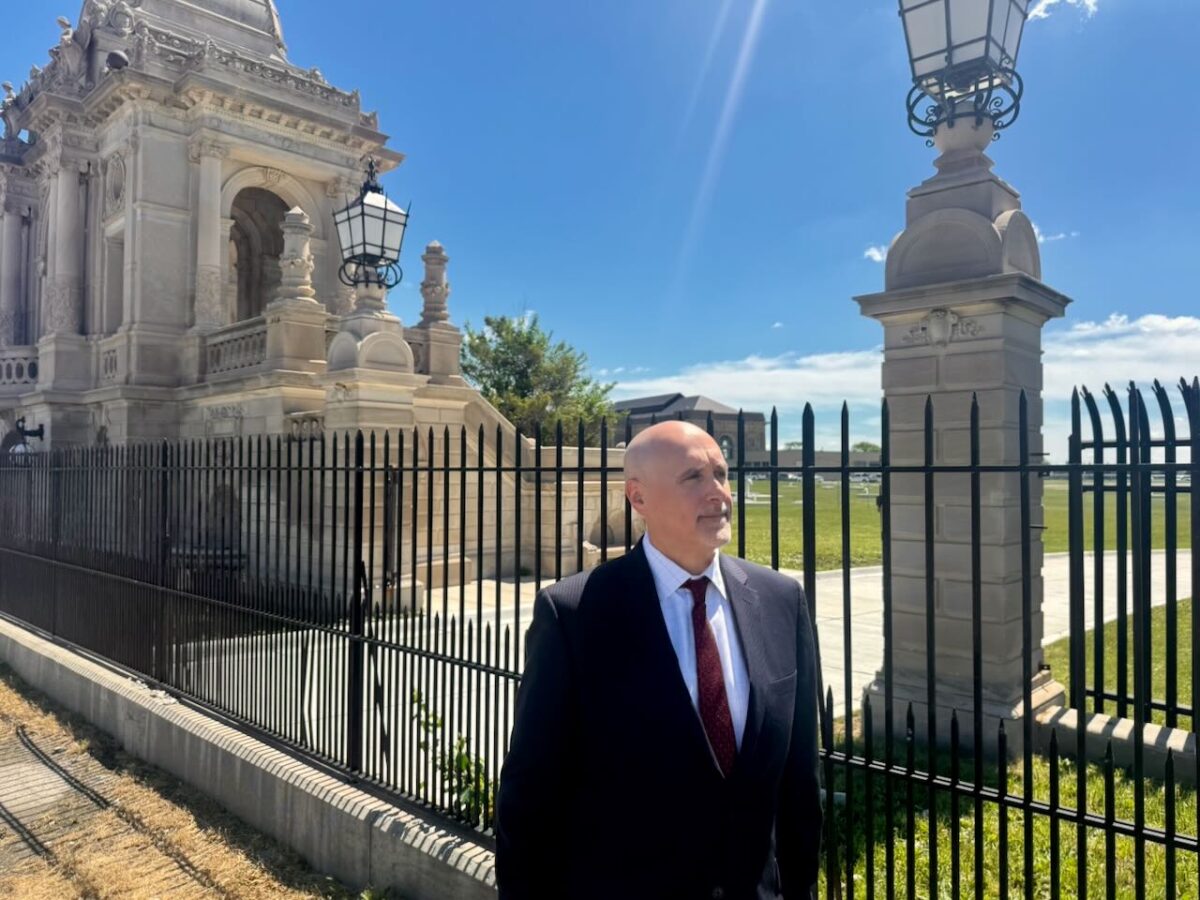
Precipitation has increased 15% across the Great Lakes region in seven decades, straining Metro Detroit’s aging infrastructure. A regional task force aims to develop flood mitigation strategies by spring 2027.

Army Corps cuts funding, shortens timeline for Southeast Michigan flood study
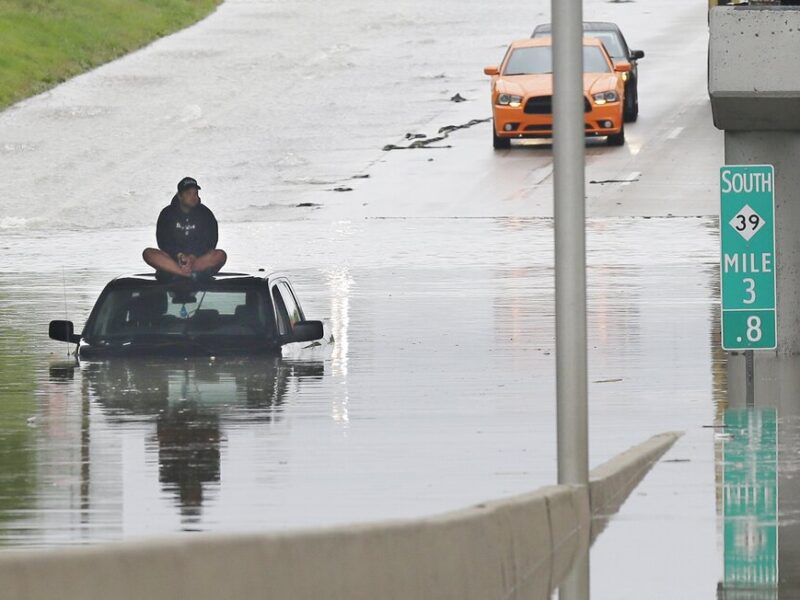
The U.S. Army Corps of Engineers has cut the funding and timeline in half for its Southeast Michigan flood study, eliminating plans for a formal Congressional report while shifting focus to urban flooding solutions.