

Overview:
- Highland Park asks a Wayne County judge to enforce a 2024 consent judgment and cut its fiscal year 2027 sewer charges by $1.6 million.
- The city says GLWA is billing it using outdated 1999 estimates instead of data from state-funded meters, creating overcharges that amount to unconstitutional disguised taxes under the Headlee Amendment.
- GLWA says it's following its contract and the 2024 deal, and a hearing before Judge Edward Joseph is scheduled for Jan. 14.
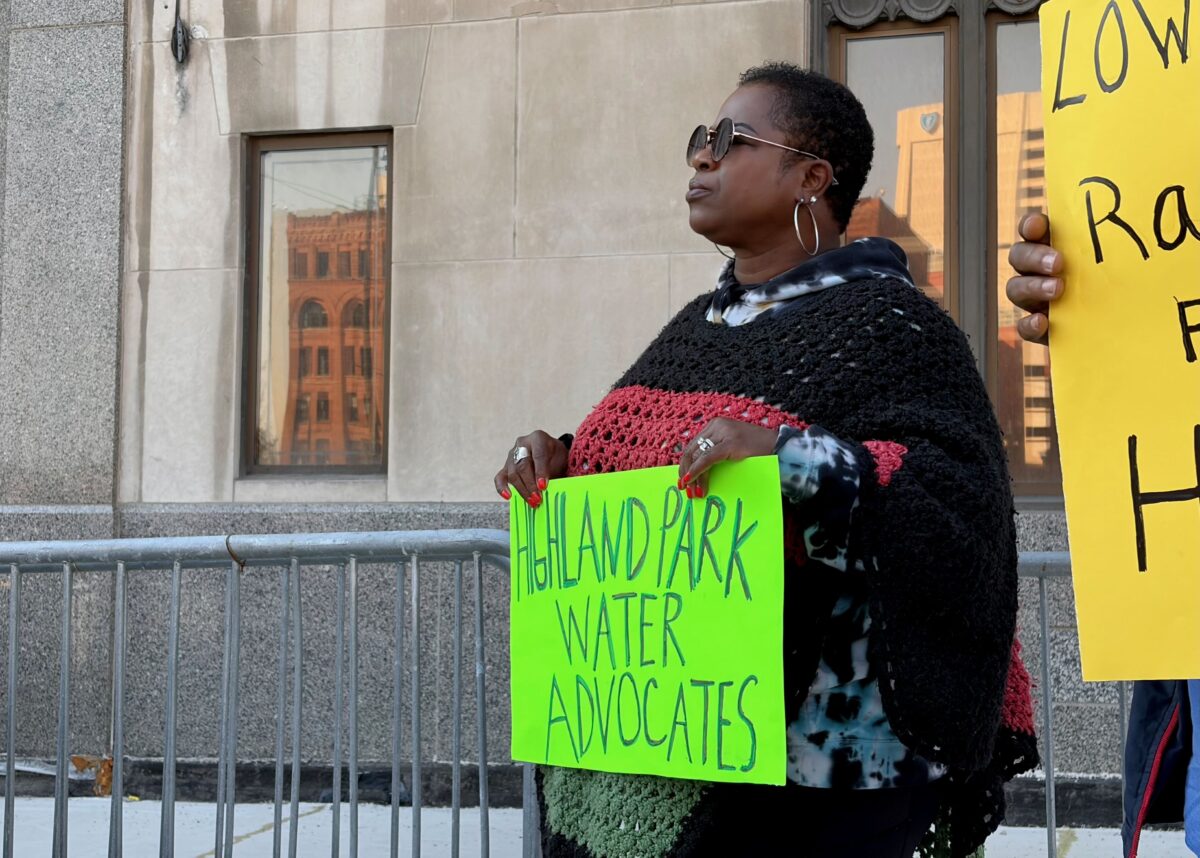
Highland Park is asking a Wayne County judge to compel the Great Lakes Water Authority to reduce the city’s combined sewer overflow charges by $1.6 million.
🗳️ Civic Action Toolbox — see how you can get involved
Why it matters
The outcome could determine whether Highland Park's 8,248 residents are billed for sewer service based on actual metered flows rather than decades-old estimates.
Who's making public decisions
Wayne County Circuit Judge Edward Joseph will hold a hearing on Highland Park's request for the Great Lakes Water Authority to recalculate the city's sewer charges.
Upcoming Meetings
Civic Actions: What You Can Do
- ✓Attend the court hearing on Highland Park's motion →
Wayne County Circuit Judge Edward Joseph is scheduled to hold a hearing on Highland Park's motion for enforcement at 9 a.m. Jan. 14, 2027 on Zoom and in person at the Coleman A. Young Municipal Center, 2 Woodward Avenue, Courtroom 1007, Detroit, MI 48226. - ✓Attend a Highland Park City Council meeting →
The Highland Park City Council next meets at 7 p.m. Dec. 7 online and at city hall, 12050 Woodward Avenue, Highland Park, MI 48203. - ✓Attend the GLWA Board of Directors meeting Dec. 17 →
The Great Lakes Water Authority board meets 2-6 p.m. Dec. 17, 2026 at 1 p.m., with a virtual option.
What to watch for next
Watch for the outcome of a Jan. 14 hearing before Wayne County Circuit Judge Edward Joseph on Highland Park's motion to enforce its consent judgment with GLWA and the state.
Are you taking action? Let us know.
Powered by Civic Action Toolbox
The city filed a motion Nov. 3, Election Day, in one of the lawsuits settled in a 2024 deal with GLWA and the state of Michigan that included $70 million in state funding for Highland Park’s water infrastructure.
GLWA is violating provisions of a consent judgment that require the utility to charge the city for sewer services based on data collected by meters installed and paid for by the state, according to Highland Park’s lawyers.
The motion asks for enforcement of the 2024 consent judgment, and is scheduled for a Jan. 14 hearing before Wayne County Circuit Judge Edward Joseph.
GLWA General Counsel Phyllis Hurks said the authority is following the terms of the 2024 deal.
GLWA’s wastewater disposal contract with Highland Park sets specific requirements for combined sewer overflow cost allocation and wastewater treatment services, Hurks said in a Tuesday statement to Planet Detroit.
“The existing CSO cost allocation methodology originated in a 1999 rate settlement agreement and has been carried forward through subsequent federal orders and agreements,” she said.
GLWA should be made to recalculate Highland Park’s sewer charges for fiscal year 2027, which began July 1, by $1.6 million, according to the city.
The court should declare that GLWA must determine the charges for fiscal year 2028 and later using metered sewer flow data, the filing said.
‘Unconstitutional disguised taxes’
The city of 8,248 residents alleges that overcharges by GLWA are “unconstitutional disguised taxes” in violation of the Headlee Amendment to the Michigan Constitution, because they are not based on actual usage.
“If GLWA continues to charge Highland Park for wet weather sewer flows based on the outdated 1999 proxies in violation of the consent judgment, it will result in overcharges of similar magnitude in the future,” the motion said.
Hurks said that while GLWA disagrees with Highland Park’s position, the disputes should be resolved legally.
“Given the pending proceedings, we will refrain from commenting further on the specific allegations.”
HIGHLAND PARK COVERAGE
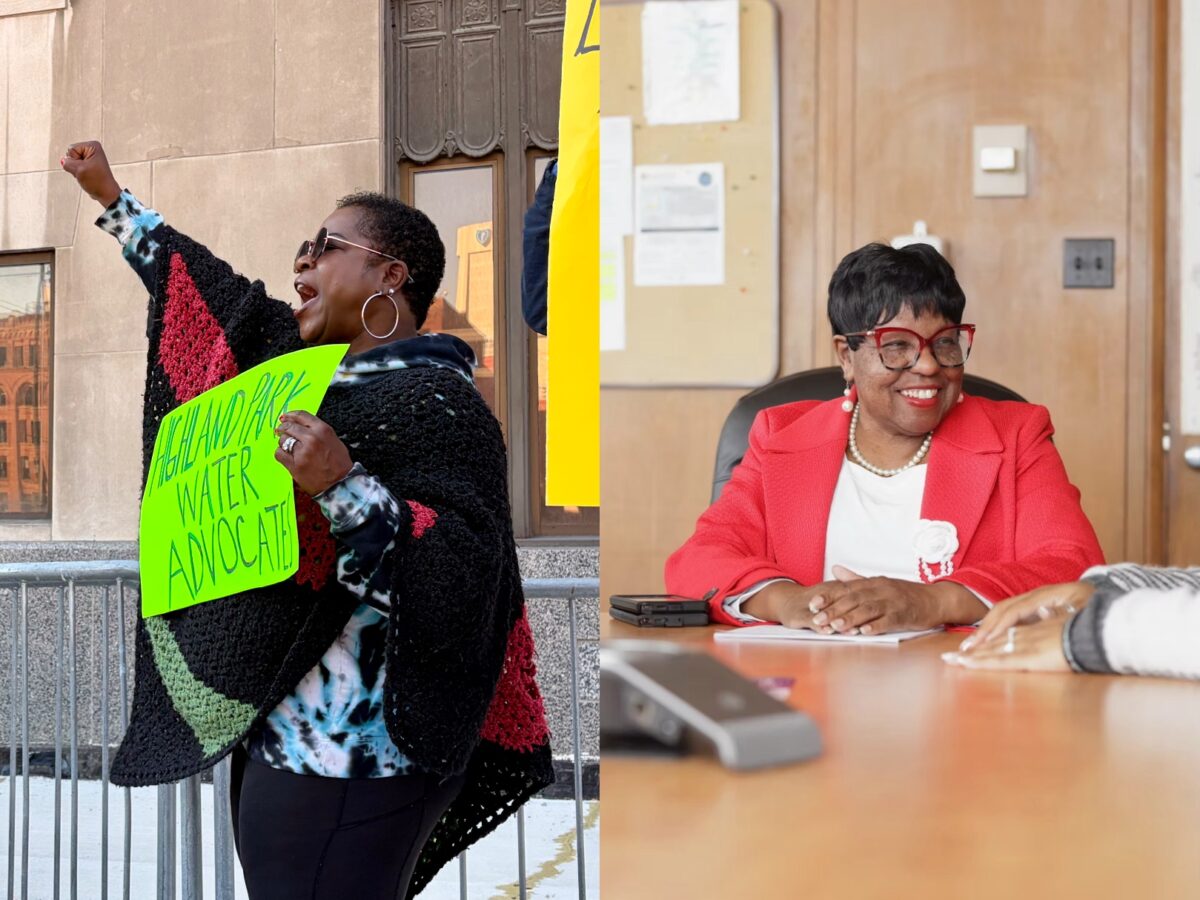
How water runs through Highland Park mayoral race: ‘I want everybody’s water to be affordable’
This story was produced as part of Next City’s Local Reporting Hub, with funding from the Kresge Foundation. Once home to nearly 53,000 residents in 1930, Highland Park’s population and fortunes declined after Ford and Chrysler left, taking with them tax revenue and corresponding investments in the city’s infrastructure — including drinking water. Due to…

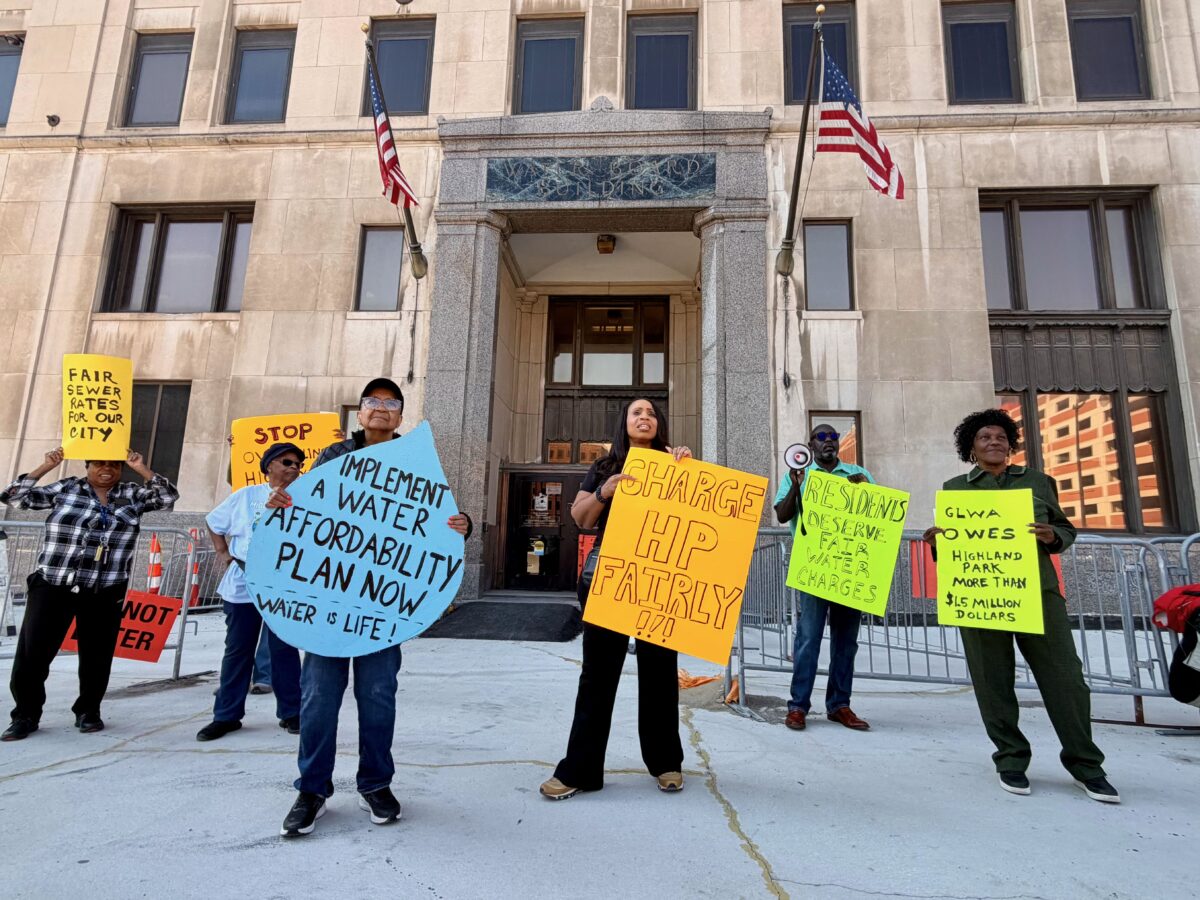
Highland Park residents say Great Lakes Water Authority overcharged $1.5 million for sewer fees
Highland Park residents protest outside a Great Lakes Water Authority meeting, alleging $1.5 million in sewer overcharges. GLWA says it is following a 2024 settlement.


Highland Park’s water director finds purpose serving a community that looks like him
Damon Garrett, one of few licensed Black engineers in Michigan, has spent a decade directing Highland Park’s Water Department through infrastructure challenges and a historic water line replacement project.

