

Overview:
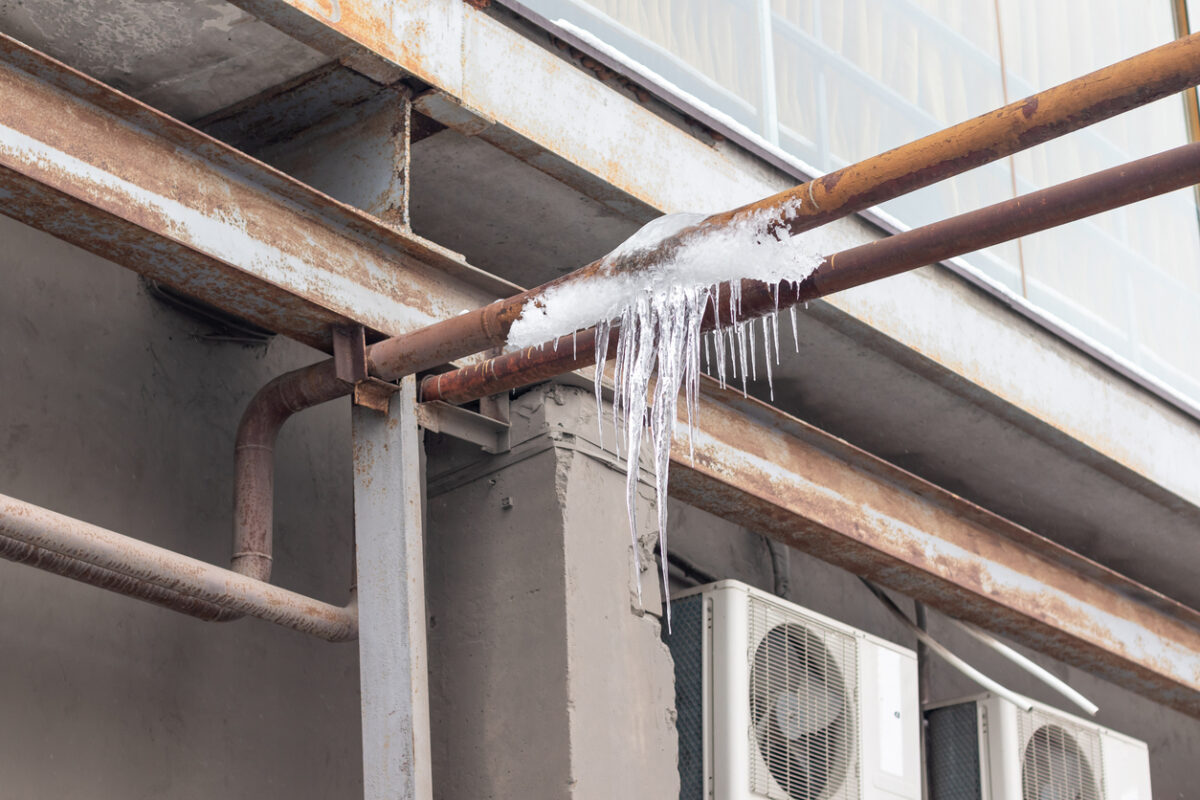
- As Metro Detroit faces prolonged cold spells, frozen pipes are a threat in older homes with poor insulation.
- Vulnerable areas include pipes along exterior walls, unheated basements, and undrained outdoor spigots.
- Prevention is crucial: insulate exposed pipes, drain outdoor hoses, and let faucets drip overnight.
- If freezing occurs, keep faucets open and apply gentle heat with a hair dryer or warm towels.
When the heat failed in a Troy auto dealership’s car wash earlier this week, the pipes didn’t just freeze — they burst in multiple places. Water lines split as temperatures dropped, then ruptured as the system thawed, sending plumbers scrambling to repair extensive damage before the business could reopen.
“That room lost heat, the pipes froze fast, and once the heat came back on, everything started busting,” said Rick Taylor, a master plumber and general manager at Nelson Brothers.
Commercial failures like this are rare. But Taylor said the same process is playing out far more often inside homes across Metro Detroit as overnight temperatures stay below freezing for days at a time, especially in older buildings with poorly insulated pipes.
As the temps plummet, here’s a guide to what you need to know about frozen pipes.
When are pipes most likely to freeze?
Frozen pipes are most likely to occur after a prolonged period of cold, not a single frigid night.
“In this area, what we typically see is a week or more of temperatures below about 20 degrees Fahrenheit,” said Steve Considine, a senior meteorologist with the National Weather Service’s Detroit/Pontiac office.
An extended cold allows frost to penetrate deeper into the ground, increasing stress on underground pipes and water mains.
Inside homes, insulation and heat matter just as much as outdoor temperatures. “Given the cold we’ve seen over the past week and the next outbreak coming, I would be concerned about pipes freezing,” Considine said.
Which pipes are most at risk?
Plumbers say frozen pipes almost always share one thing in common: exposure.
Pipes running along exterior walls, plumbing in unheated basements or crawl spaces, outdoor spigots that weren’t drained, and homes with uneven or interrupted heat are especially vulnerable. Taylor said many older Detroit-area homes were built with pipes inside exterior walls, where cold air can circulate and quickly freeze them.
What should you do before temperatures drop?
The best protection happens long before winter, but short-term steps can still help.
Taylor recommends insulating exposed pipes and installing heat tape or heat rope on vulnerable sections. When that isn’t possible, keeping indoor heat consistent and sealing obvious air leaks can reduce risk.
The American Red Cross also advises disconnecting and draining outdoor hoses and covering outdoor faucets before freezing weather arrives.
What can you do during extreme cold?
When overnight temperatures remain below freezing, plumbers say prevention becomes about keeping water and air moving.
Letting a faucet drip overnight can help prevent freezing because moving water is less likely to ice up. Opening cabinets under sinks along exterior walls allows warm air to circulate around pipes.
Some homeowners use space heaters to warm vulnerable areas, but Taylor cautioned that they should only be used with automatic shut-off features and never placed inside cabinets or near flammable materials.
How can you tell if a pipe is frozen?
The first sign is simple: no water.
“If you turn on a faucet and nothing comes out, this time of year it’s usually frozen,” Taylor said.
Other signs can include reduced water pressure, frost on exposed pipes, or unusual odors from drains.
What should you do if a pipe freezes?
Keep the affected faucet open so melting ice can escape, then apply gentle heat with a hair dryer, heating pad, or warm towels, according to the American Red Cross. Start near the faucet and work toward the frozen section.
The Red Cross warns against using open flames, propane heaters, or torches, which can cause fires or damage pipes. If the frozen section isn’t accessible or safely thawed, it’s time to call a licensed plumber.
What if a pipe bursts?
Burst pipes often happen as frozen pipes thaw, when pressure builds inside weakened plumbing.
If that happens, shut off the main water supply immediately, move belongings away from water if it’s safe to do so, and document damage for insurance purposes. A plumber can replace the damaged pipe, but repairs often require opening walls and fixing drywall afterward.
“It can get very destructive,” Taylor said. “That’s why preparation matters.”
Are cold snaps like this becoming more common?
Despite recent high-profile cold events, the National Weather Service’s Considine said extreme cold outbreaks are not increasing in frequency in Michigan.
“On average, we see these types of impacts once or twice a decade,” he said, citing major cold periods in 2014, 2018, and earlier decades.
Still, when prolonged cold does arrive, the consequences for homes that aren’t prepared can be significant.
What else should I know about frozen and burst pipes?
For more guidance on dealing with frozen and bursting pipes, check out these websites:
MORE COLD WEATHER REPORTING
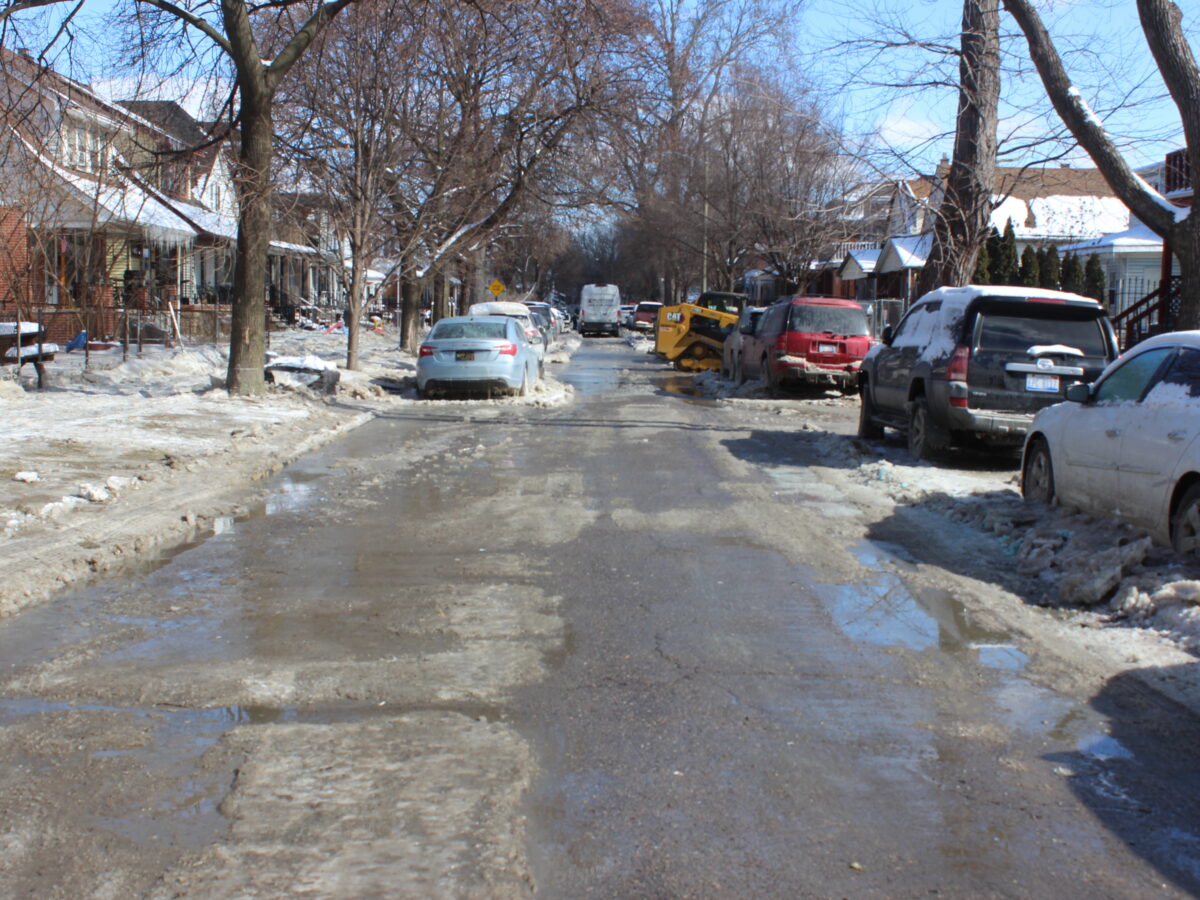
Southwest Detroit homes flooded, families displaced by water main rupture
A 54-inch water main rupture in Southwest Detroit has flooded homes and displaced families.

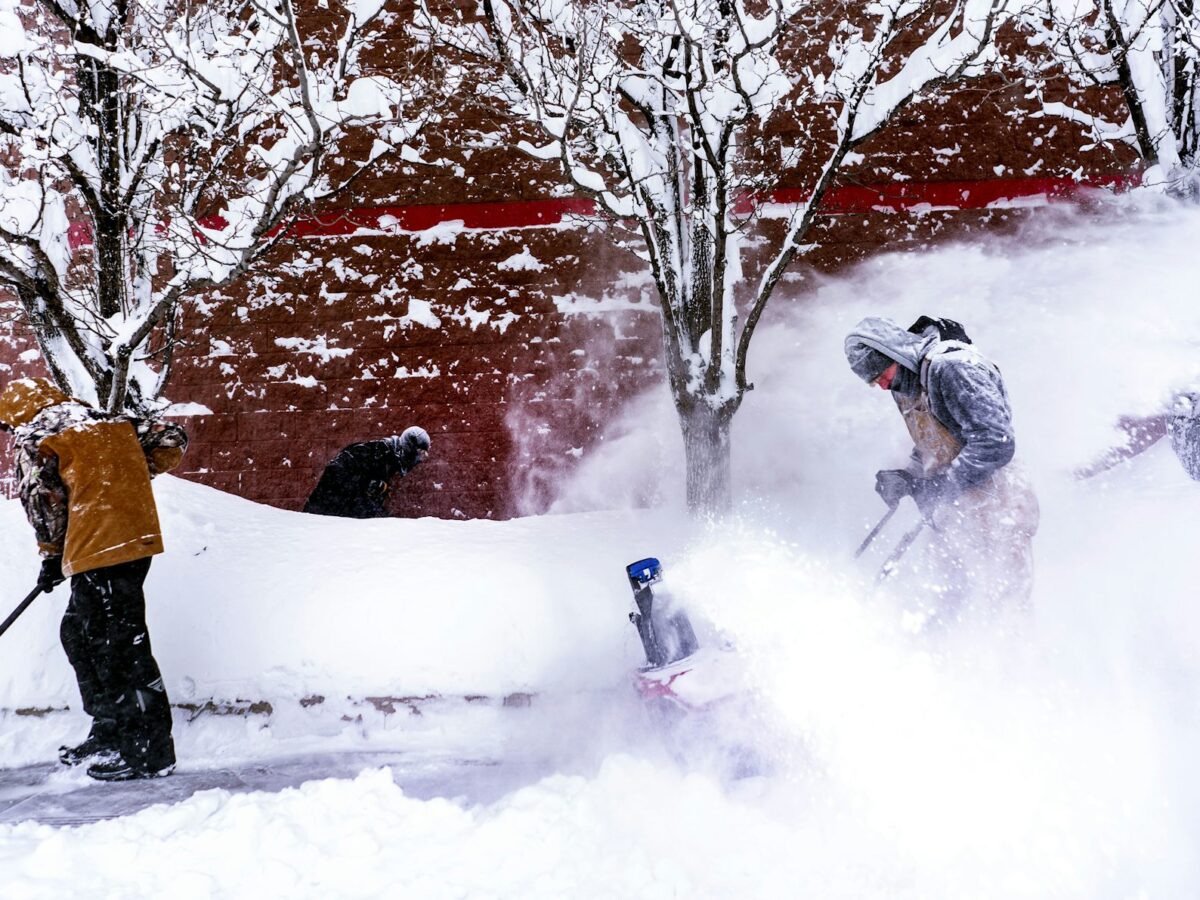
Why extreme cold still happens in a warming world
Climate instability may be disrupting the polar vortex.


Utility shutoffs are ‘survival issue,’ says state rep who backs winter restrictions
Detroit residents, lawmakers, and activists gather on Detroit’s east side to push for bills targeting soaring utility costs, frequent outages, and service shutoffs.