
Overview:
- Sunday, Feb. 8 is the deadline to apply for Planet Detroit's 2026 Neighborhood Reporting Lab
-The Lab is empowering Detroiters to become storytellers, transforming local voices into journalism that resonates far beyond their blocks.
- By recruiting writers from the very neighborhoods they cover, the Lab fosters authentic narratives rooted in lived experiences.
- As applications open for the 2026 cohort, this paid program invites community members to explore environmental health, climate change, and local solutions, building long-term relationships that shape impactful reporting.
Detroiters know what it means to live with pollution. The toxic footprint of the city’s industrial legacy lingers, settling into the soil in our backyards, seeping into the air we breathe, and moving through the waterways that sustain us.
And still today, Detroiters live with the consequences of harmful policies, from legacy industrial zoning that places factories next to homes to long-neglected brownfields that were never properly remediated.
Despite growing acknowledgment of the environmental crises facing communities of color, coverage of these issues remains among the least diverse beats in journalism. According to a Pew Research Center survey, 84 percent of environmental and energy reporters are white, making this one of the least representative areas of the industry.
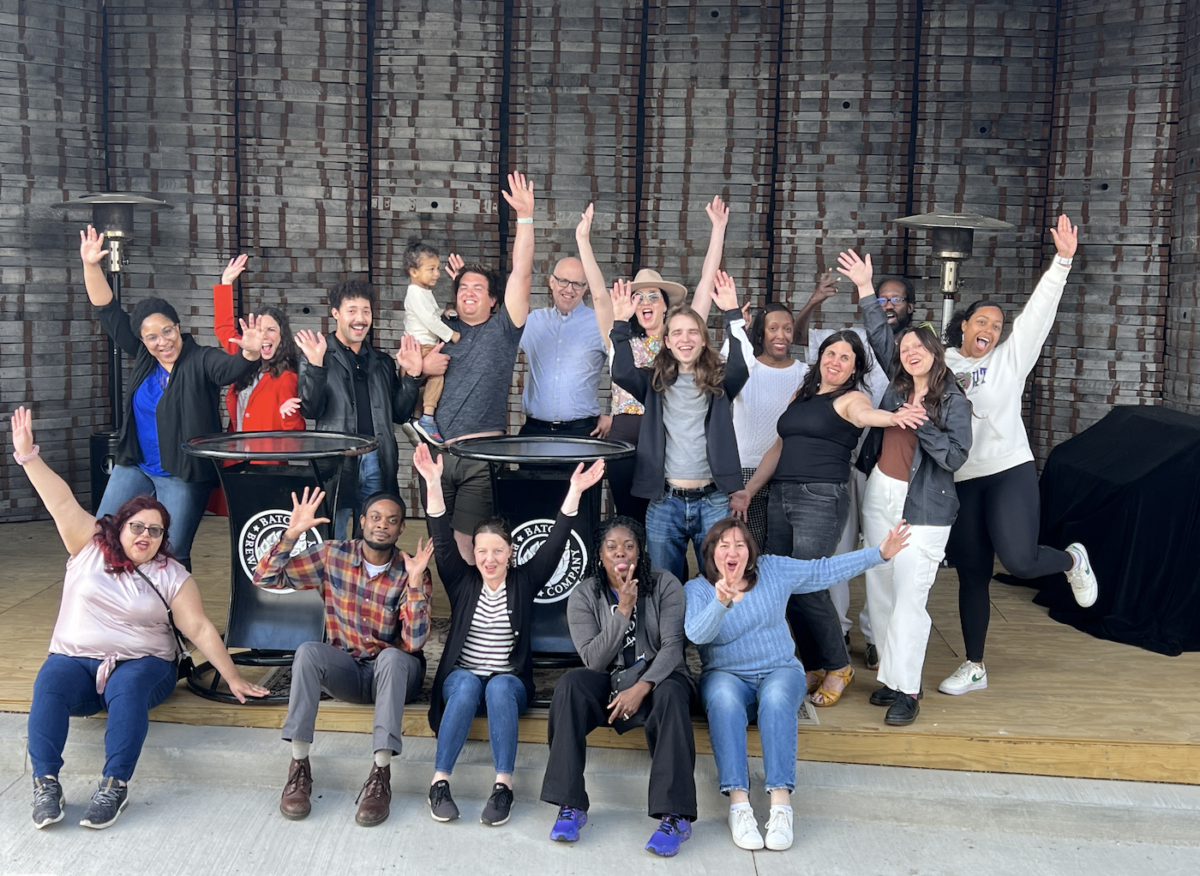
To help shift that imbalance, Planet Detroit created the Neighborhood Reporting Lab, a program that recruits, mentors, and supports emerging community writers to develop their reporting skills and produce journalism grounded in the lived realities of Detroit’s neighborhoods.
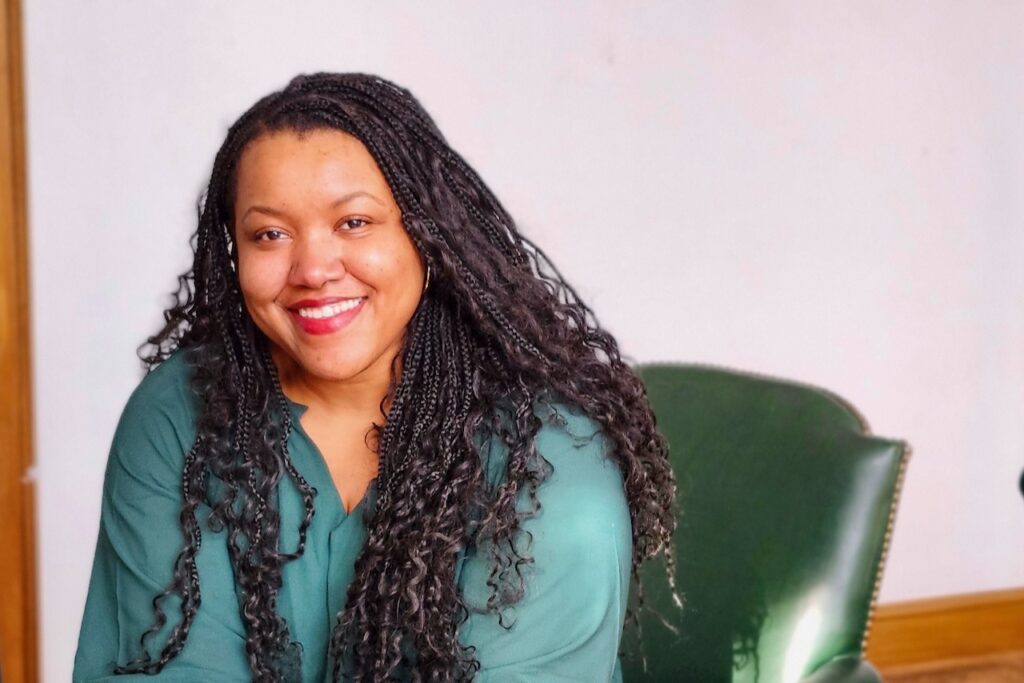
“I have always been interested in the environment. Most people of color are interested in environmental issues,” said Akilah Russel, a member of the 2025 cohort and regular Planet Detroit contributor.
She pointed to her own block as an example. “I’m looking outside at my neighborhood, and I know that at the end of each major road is some sort of plant or major factory,” she said. “There was, at one point, like oil or something over here. We live with the effects of that directly.”
Russel had been looking for more ways to connect with the community when the call for applications came across social media. She applied immediately.
The success of the Lab comes from recruiting people who actually live in the neighborhoods they report on. Instead of dropping in during a crisis or headline moment, the program builds long-term relationships that shape the reporting itself. Neighborhood reporters aren’t subjects, they’re partners.
Their questions, concerns, and lived wisdom guide the stories they pursue, making the journalism more accurate, more accountable, and more meaningful.
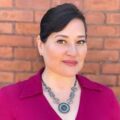
For Estefania Arellano Bermudez, the Lab was an opportunity to pursue a lifelong dream. Since elementary school, she had wanted to be a writer. She dabbled in writing poetry, short stories, and even attempted a screenplay.
When she saw the call for Neighborhood Reporting Lab applicants, she jumped at the opportunity to learn to write about the environment. She grew up in a neighborhood long known for high pollution levels.

“Typically Black and brown communities are sacrifice zones,” she said. “We are continuously placed in environments that are bad for our health.”
Arellano Bermudez was paired with a mentor, who led her through the process of pitching, reporting, and revising.
“In the Neighborhood Reporting Lab, you go from learning how to pitch to publishing,” she said. “It gave me a full view of what it takes to be a journalist. That experience prepared me for the work.”
She said the multiple rounds of edits challenged her and made her a better writer.
Months later, she read her first-ever news story in Planet Detroit, Cristo Rey students create cookbook from urban garden harvest, out loud. She had spent weeks reporting, interviewing, and shaping the narrative.
Moments like that have become the heartbeat of the Lab, turning everyday Detroiters into storytellers whose work now ripples far beyond their own blocks.
Today, Arellano Bermudez freelances for several local news outlets, including Planet Detroit and El Central, a bilingual community newspaper.
She credits the Neighborhood Reporting Lab with helping her discover a new passion for environmental journalism, and a clear focus within it: sustainability.
“I actually got to talk to some wonderful young women who do clothing swaps, and you know it made me think we do a lot of this already in our culture, we share clothes, we wear hand-me-downs.”
If given the opportunity, Arellano Bermudez says she would take the training again.
“I want to do it again. I’m actually really curious about what they’re going to do this year because you’re going to learn so much—you’re going to learn about the questions you’re asking, how to pitch, the editing process. It’s definitely something you’re going to put in your reporter toolkit.”
Now in its third year, Planet Detroit is launching applications for the 2026 Neighborhood Reporting Lab cohort. The Neighborhood Reporting Lab is a paid, hands-on program for people who want to tell stories about their neighborhoods, with a focus on environmental health, climate change, and local solutions. Participants receive training, editorial support, and the opportunity to publish their work with Planet Detroit.
Planet Detroit’s Neighborhood Reporting Lab is made possible with the generous support of the Kresge Foundation.
APPLY NOW – DEADLINE: SUNDAY, FEB 8, 2026
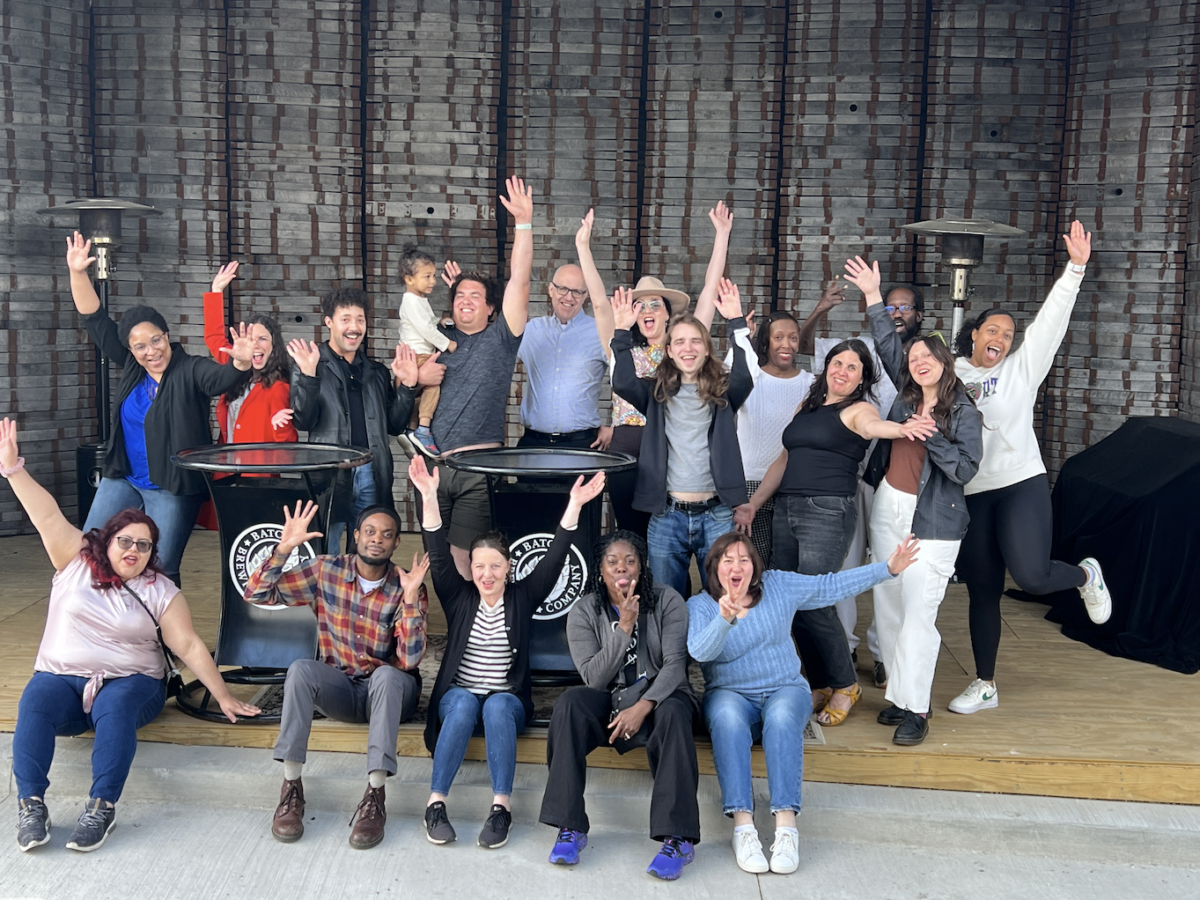
Planet Detroit neighborhood reporting lab applications now open
Planet Detroit is launching applications for the 2026 Neighborhood Reporting Lab, marking our third year of training and publishing community reporters across Metro Detroit.…

READ STORIES FROM PLANET DETROIT’S NEIGHBORHOOD REPORTING LAB
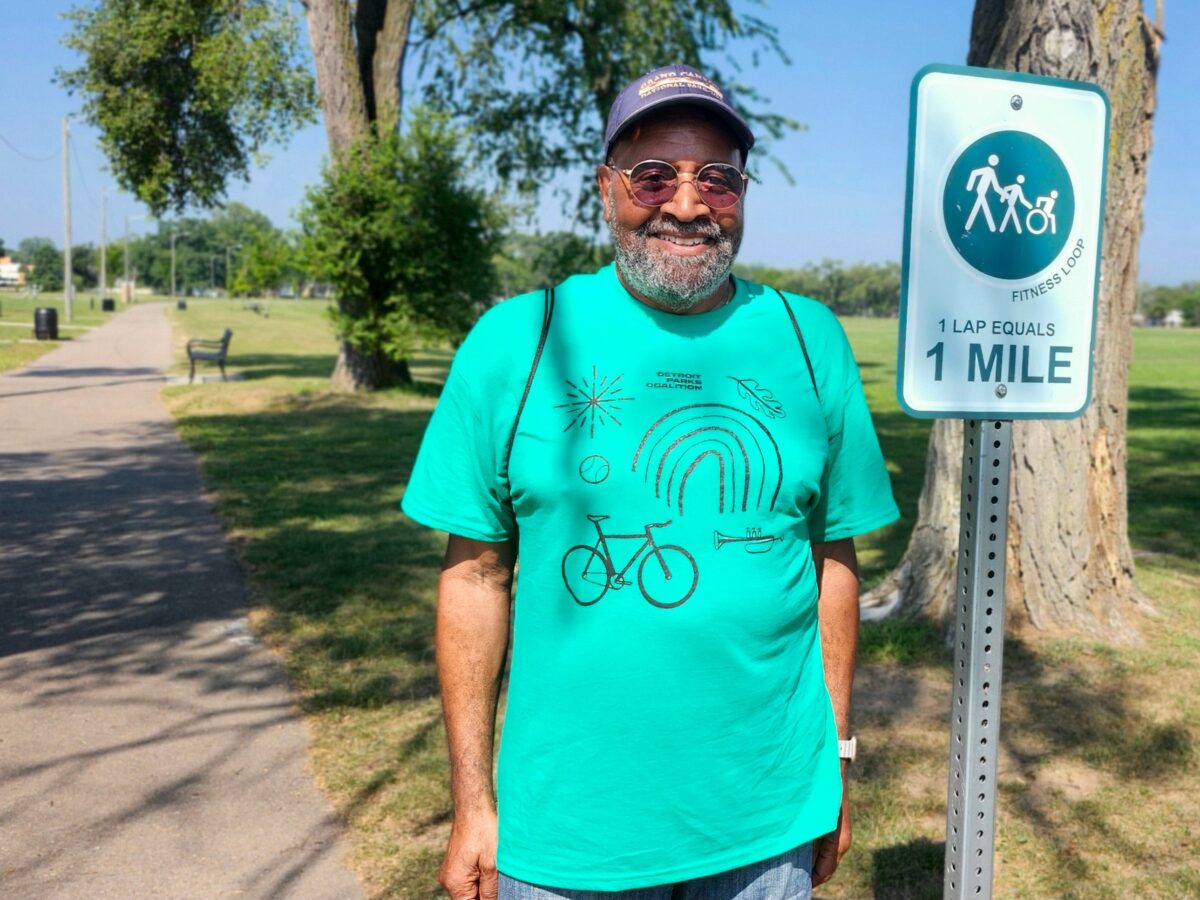
We Walk Detroit builds health, community step by step in city’s parks: ‘Therapeutic’
The We Walk Detroit initiative will return in 2026 after the last-minute state budget process injected uncertainty into the program’s future.

Detroiters describe citywide struggle with truck traffic: ‘Our streets are sinking’
Children living within two blocks of I-75 have asthma rates 25% to 42% higher than those living further away from major roads, says Detroit Hispanic Development Corporation’s Rachel Marquez.
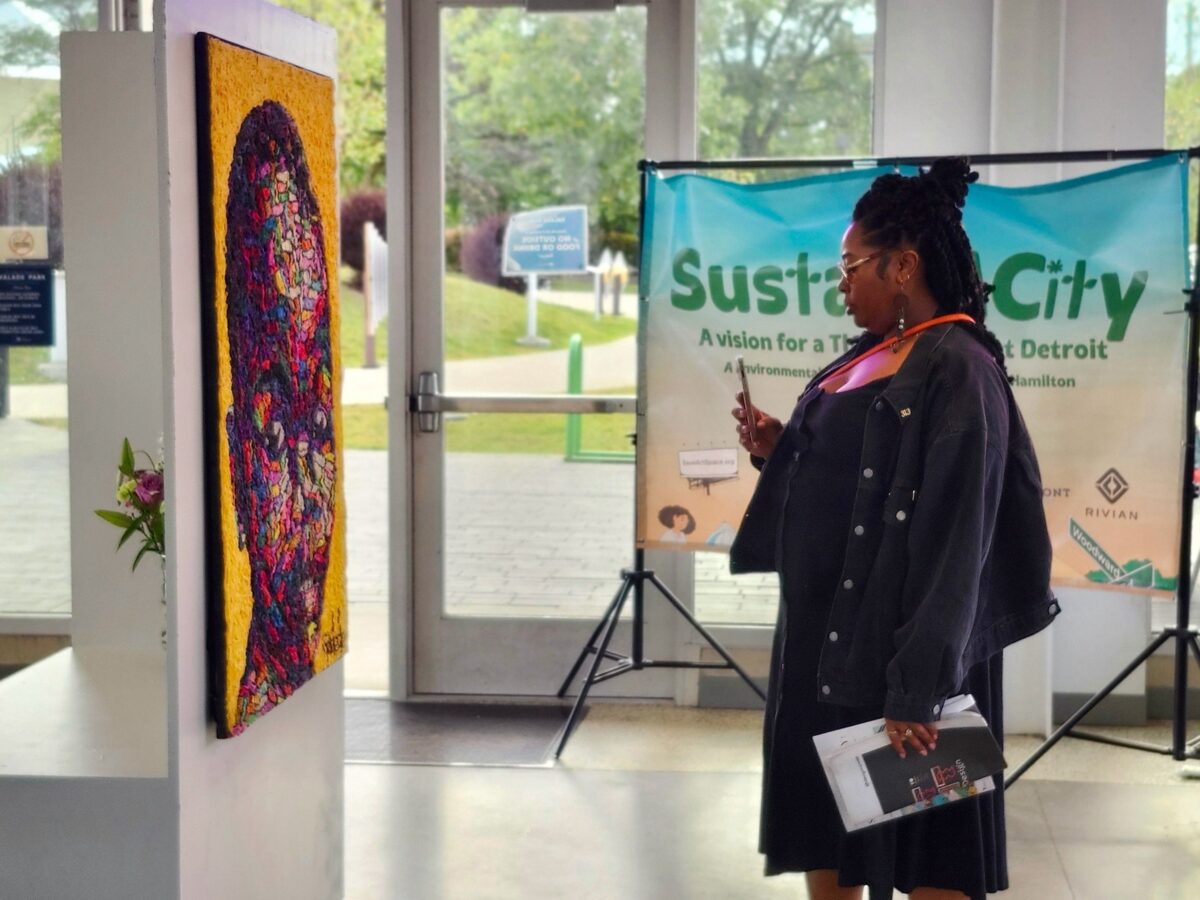
Sustain-A-City: Detroit reimagines sustainability through art
Detroit’s creative spirit intersects with environmental advocacy for “Sustain-A-City: A Vision for a Thriving, Resilient Detroit.” The art is showcased on billboards through Sept. 14.
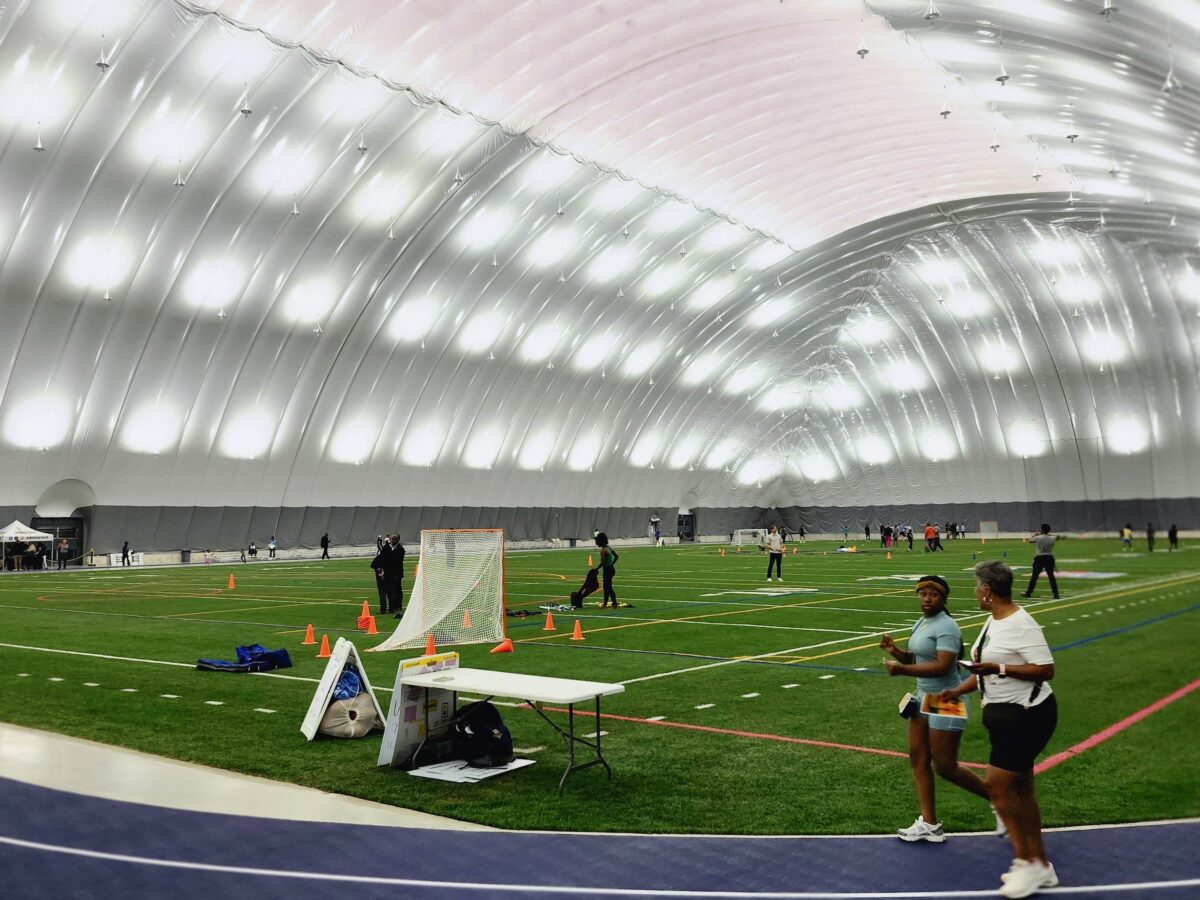
Chandler Park Fieldhouse opens as east side hub for health, hope, community
The dome has been in the Chandler Park master plan since 2014, says the Chandler Park Conservancy’s Alex Allen. American Rescue Plan Act dollars funded the project.

Dominick Lemonious reimagines the art gallery at Detroit’s ‘Black Store’
At Liquor Basket Gratiot, now home to Push Gallery, local art thrives alongside Detroit community spirit, creating a space where art and belonging intersect.
ICE fears drive older Latino Detroiters from vital health, social services
In Southwest Detroit, heightened ICE activity has sown fear and isolation among older Latinos, who depend on family and community for essential needs. This has spurred LA SED Senior Center to adapt, focusing on emotional support and wellness checks.

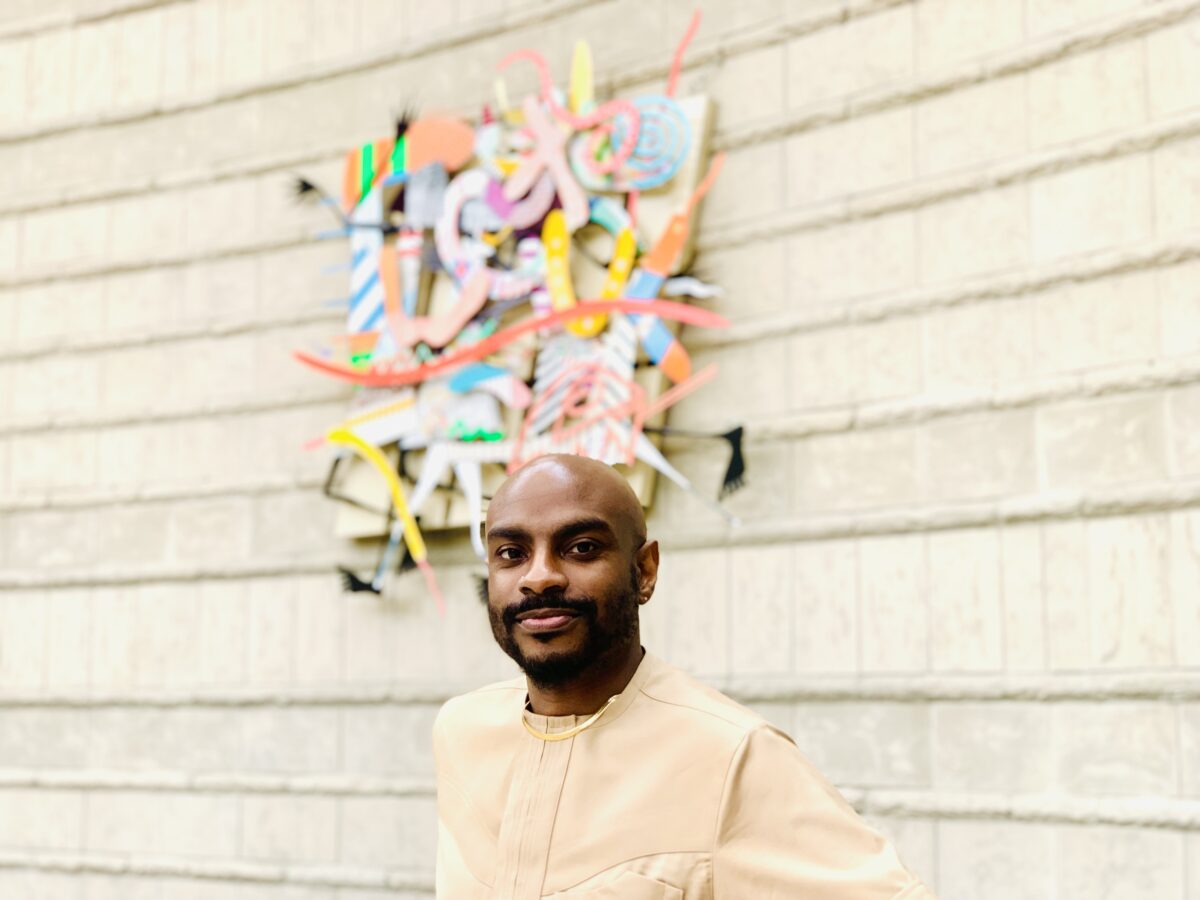
Tommie Obioha grew up in a bicultural Detroit household. His journey led to community development and journalism.
Tommie Obioha, a first-generation Nigerian American, leverages his community development work to empower Detroit residents. Meet Planet Detroit’s 2025 Neighborhood Reporters in this Q&A series, written by Neighborhood Reporters.

Discover upcycled gems at Detroit’s Architectural Salvage Warehouse
The Architectural Salvage Warehouse of Detroit deconstructs buildings to preserve materials, aiming to reduce waste and provide second chances for people.

AGI turns historic Southwest home into hub for Detroit contractors
Tanya Saldivar-Ali and Luis Ali turned a historic Queen Anne home in Southwest Detroit into a center for AGI Construction, using eco-friendly methods in the renovation.

Sustainability and women’s rights: Michigan voter’s push
Ricardo Soria, a business owner from Allen Park, emphasizes the importance of every American’s vote and prioritizes climate concerns for voters.

Riverview Head Start worker on voting and environmental issues
Diana Rocco, a Head Start worker in Riverview, Michigan, plans to vote in the election, focusing on human rights, climate change, and food safety.

Community swap in Dearborn offers new life to clothes and books
Afeefeh Seblini hosts clothing and book swaps in Dearborn, Michigan, to promote climate responsibility and community building, with a goal of normalizing the exchange of unwanted items and extending their lifespan.

Governor Whitmer discusses environmental justice and Drive SAFE bill during Hispanic Heritage Month
Planet Detroit and El Central freelance journalist Estefania Arellano-Bermudez spoke with Gov. Gretchen Whitmer about environmental justice matters, the Drive SAFE bill, and the influx of Latinos in Michigan, emphasizing the importance of representation and ensuring access to quality education, healthcare, and employment for all residents.
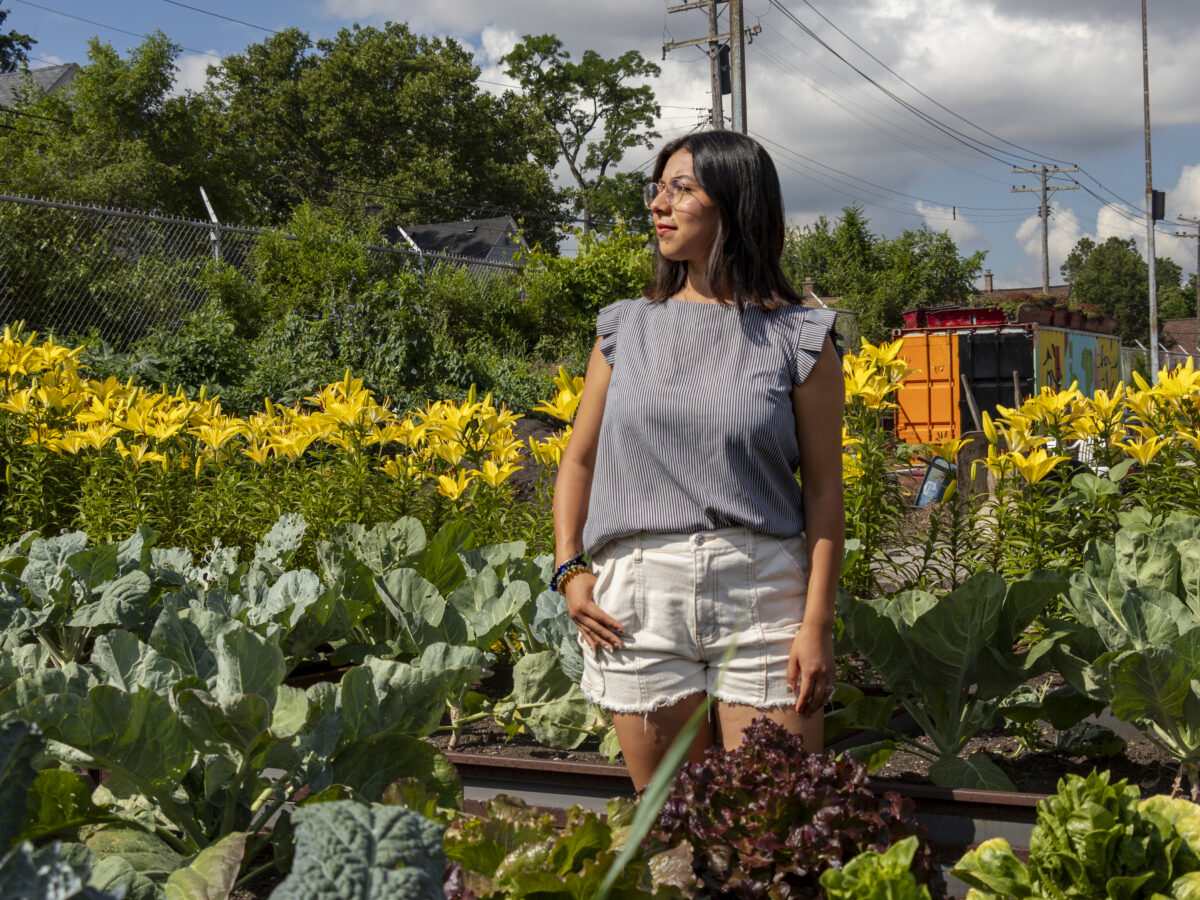
Cristo Rey students create cookbook from urban garden harvest
A student environmental justice club has crafted a culturally diverse cookbook with 100 recipes inspired by the Cadillac Urban Garden’s fresh produce.

Preserving Metro Detroit’s Arab culture and identity through a garden and a seed swap
The Arab American National Museum’s rooftop garden, cultivates Arab crops and educates on sustainable gardening and environmental care.