

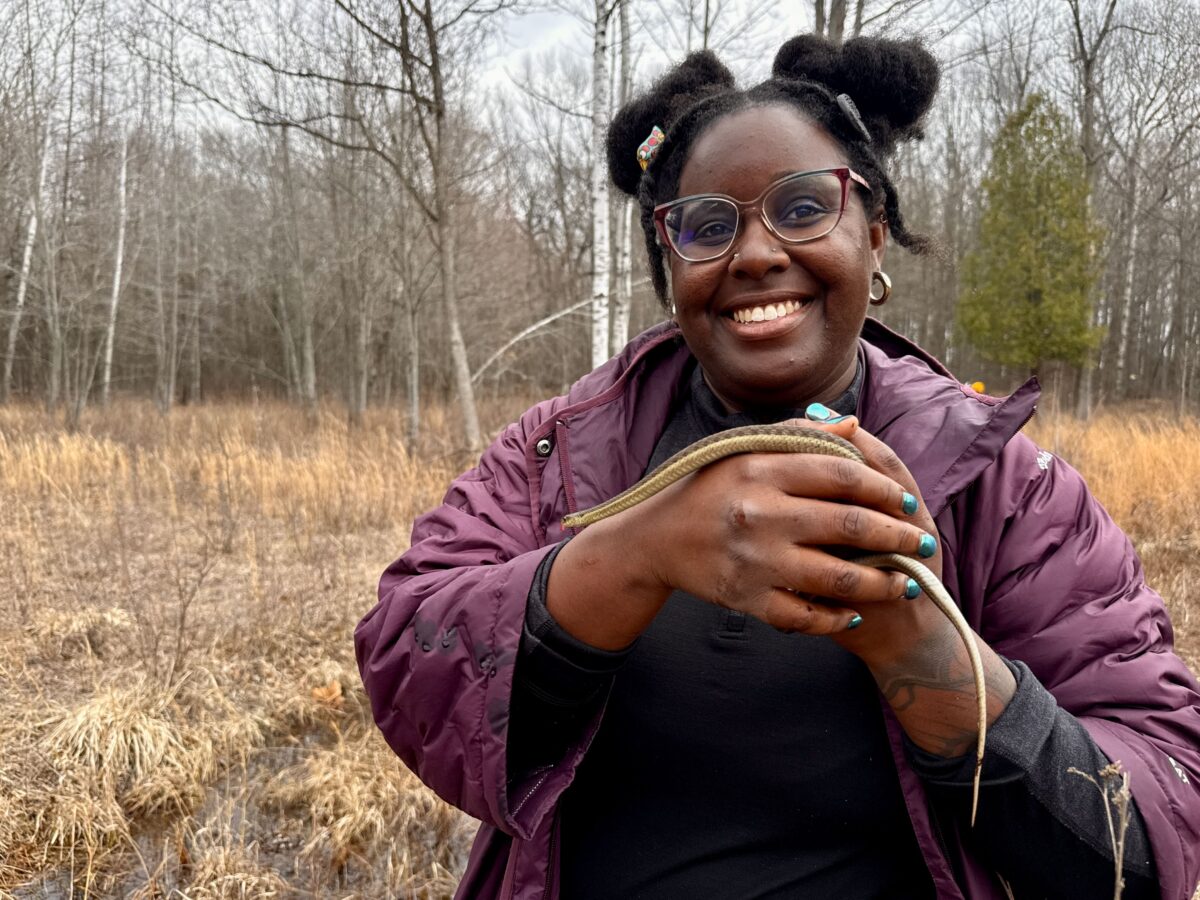
Overview:
- The Michigan Land Conservancy has until December 2026 to raise $6 million to permanently protect Sibley Prairie, a 440-acre lakeplain prairie in Brownstown Township.
- The Detroit-based Black to the Land Coalition joined the Save Sibley Prairie effort late last year.
- “I want Detroit high school students to be out there one day field tripping, studying, learning — because we deserve to have access to these high quality ecosystems," says Black to the Land Coalition's Antonio Cosme.
Local ecologists and organizers are working together to protect one of the rarest ecosystems in the world just 30 minutes from Detroit’s city center.
At 440 acres, Sibley Prairie in Brownstown Township is conserving some of the last acreage of lakeplain prairie in the world. Lakeplain prairie, or a Lakeplain Wet Prairie, is a seasonally wet biodiverse landscape in the lakeplains of the southern Great Lakes.
Less than 0.5% of Michigan’s original 160,000 acres of lakeplain prairie remain, according to the Michigan Natural Features Inventory.
🗳️ Civic Action Toolbox
Why it matters
Conservationists say that if $6 million isn’t raised by December, the rare 440-acre Sibley Prairie will be sold to developers, permanently destroying one of the last remaining lakeplain prairie ecosystems that Metro Detroit students and residents can access for education and recreation.
Who's making public decisions
The Michigan Land Conservancy holds a purchase option for Sibley Prairie in Brownstown Township.
Contact Your Representatives
Civic Actions: What You Can Do
Organizations to Follow
What to watch for next
The December 2026 fundraising deadline for the purchase of Sibley Prairie by conservationists.
Are you taking action? Let us know.
Civic resources compiled by Planet Detroit
The Michigan Land Conservancy aims to raise $6 million by the end of 2026 to purchase the land for permanent conservation before it’s sold to potential developers.
Detroit-based Black to the Land Coalition (BTTLC) joined with Save Sibley Prairie Coalition to conserve the unique landscape.
BTTLC leader Antonio Cosme said he was happy to join the coalition at the end of 2025, as the ecosystem is invaluable for everyone, especially Detroiters.
“Sibley Prairie is the last of its kind and it’s just south of Detroit,” he said.
For some Detroiters on the west side, Sibley Prairie is 20 or 30 minutes away, Cosme said.
“I want Detroit high school students to be out there one day field tripping, studying, learning — because we deserve to have access to these high quality ecosystems.”
‘Significant natural community’ includes vernal pools
The prairie isn’t just a unique opportunity for urban access; the wetland ecosystem is an area of interest for longstanding vernal pool research occurring across the state.
Vernal pools are small seasonal wetlands of standing water that often hold rare species. The Michigan Vernal Pool Patrol is a community science initiative that has been studying and documenting vernal pools across Michigan since 2012.
Similar to Cosme, Yu Man Lee said she was excited and somewhat surprised to extend the vernal pool work to the Sibley Prairie ecosystem.
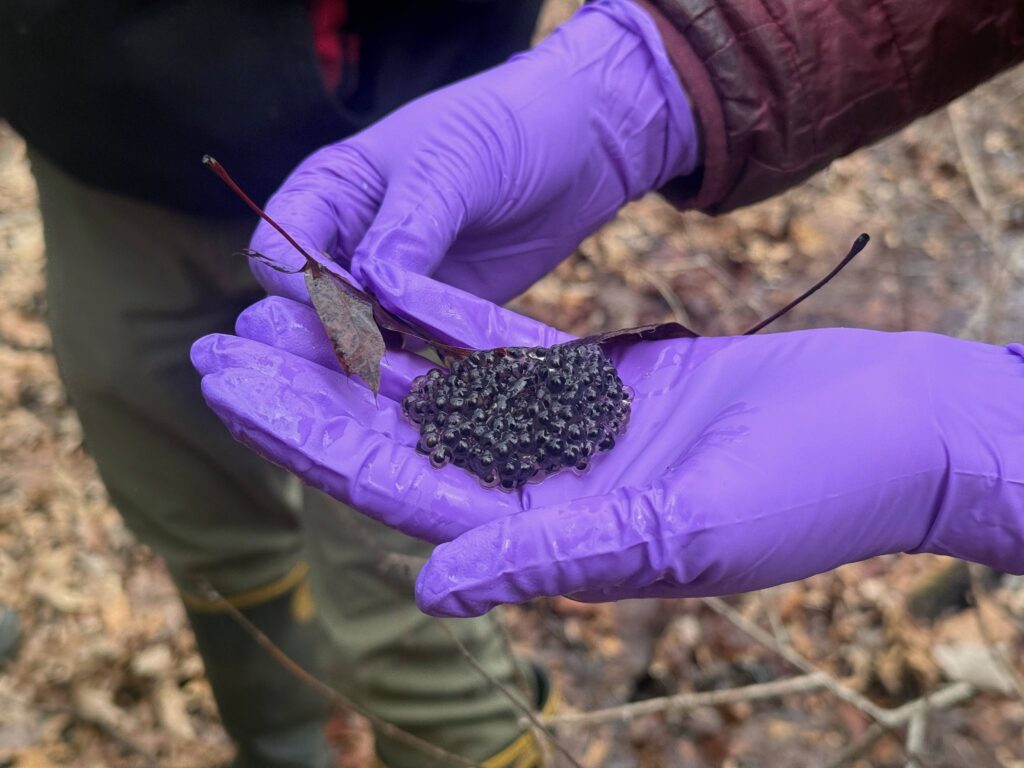
“Just getting more data about vernal pools in the Wayne County or Detroit area is something we have wanted to do,” said Lee, an award-winning conservation scientist and Vernal Pool Patrol co-coordinator.
“That lake plain prairie is so significant, there is such a significant natural community in that site… (initially) didn’t even realize that we had vernal pools there.”
The temporary nature of vernal pools makes them easy to miss, adding a sense of urgency to document their existence before the landscape permanently changes.
Vernal pools at Sibley Prairie are active habitats for at least one species of interest, according to a recent field study led by Lee and research assistant Courtney Ross in collaboration with Save Sibley Prairie.
Conservation efforts like Save Sibley Prairie are symbiotic with the goals of the Vernal Pool Patrol, Lee said.
“You can’t manage or protect something if you don’t have information on what’s there … The data helps us have a better understanding of what conservation really means.”
Cosme said work like the Vernal Pool Patrol is critical to conservation.
“Rare plants, animals, assemblages of those animals, is a huge way in which people storytell about land protection,” he said. “The more we can document the quality of nature and the diversity of that nature, the better we can storytell and the better we can fundraise.”
Sibley Prairie coalition faces $6 million deadline
The Save Sibley Prairie effort is in a time crunch. While the group paid $1 million for an option to purchase, it has until the end of the year to fundraise the remaining balance, Cosme said.
“We have until December to purchase it … otherwise it will get put back on the market and sold to a developer.”
Getting the word out to the community is crucial, he said.
“We need nature loving folks to be taking this conversation everywhere, and making sure Detroit has a piece of it.”
OUTDOOR RECREATION NEWS
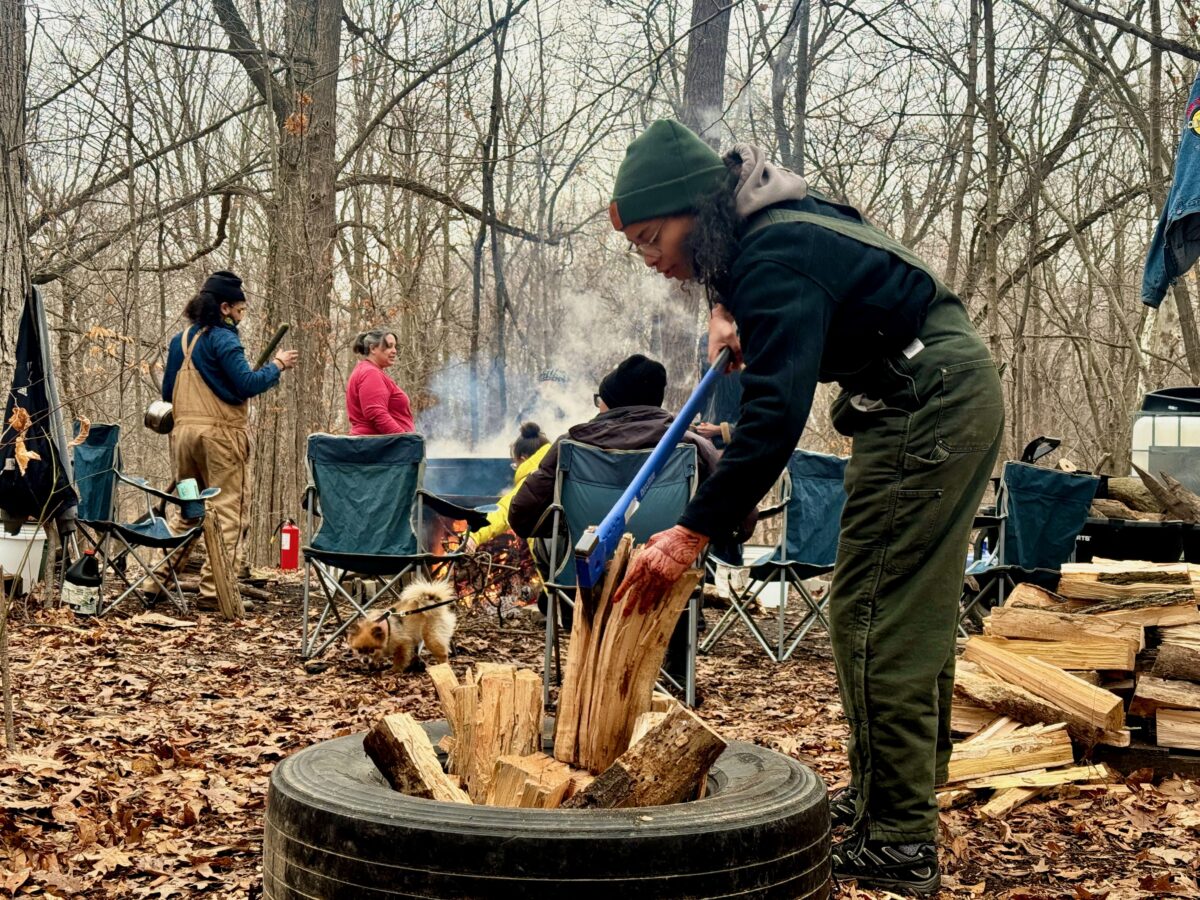
Sugaring in Rouge Park connects Black and Indigenous Detroiters
Rouge Park’s Sugarbush preserves Indigenous maple sugaring traditions while connecting Black and Indigenous Detroiters.

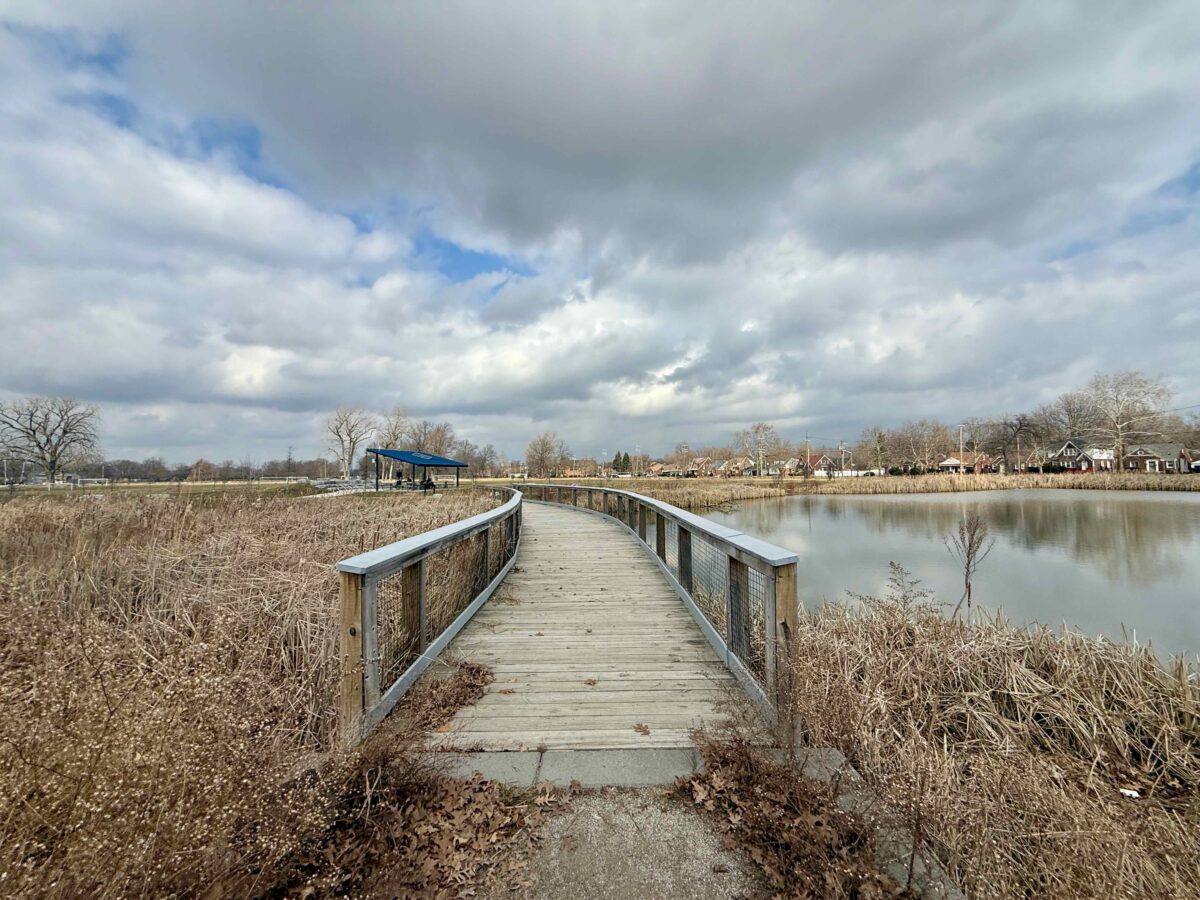
Green stormwater infrastructure in Detroit parks offers examples of flooding solutions
The Chandler Park Marshland “serves as an example of how we can do stormwater in the community,” says Alex Allen, president of the park conservancy.

Community embraces Ralph Wilson Park, Detroit riverfront’s $80 million addition: ‘Come on down’
As the sun set on the Detroit River Friday, Rex Powell enjoyed it from a bench at the Ralph C. Wilson Jr. Centennial Park. It’s his third time visiting since the 22-acre park opened Oct. 25. Powell, who lives in Lincoln Park and is retired, said he’d make the 12-mile journey to the park on…