
Overview:
- Weam Namou founded the nonprofit Unique Voices in Films in 2018 to help Metro Detroit's diverse communities understand each other through storytelling
- Michigan has the world's largest Chaldean population and the only Chaldean Museum after decades of displacement from Iraq
- Iraq's Chaldean population has plummeted from 1.5 million before 2003 to fewer than 150,000 today due to war and persecution
Planet Detroit’s neighborhood reporters are local residents who cover health, environment and climate issues in their neighborhoods. The Lab is made possible with the generous support of the Kresge Foundation.
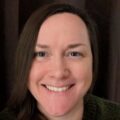
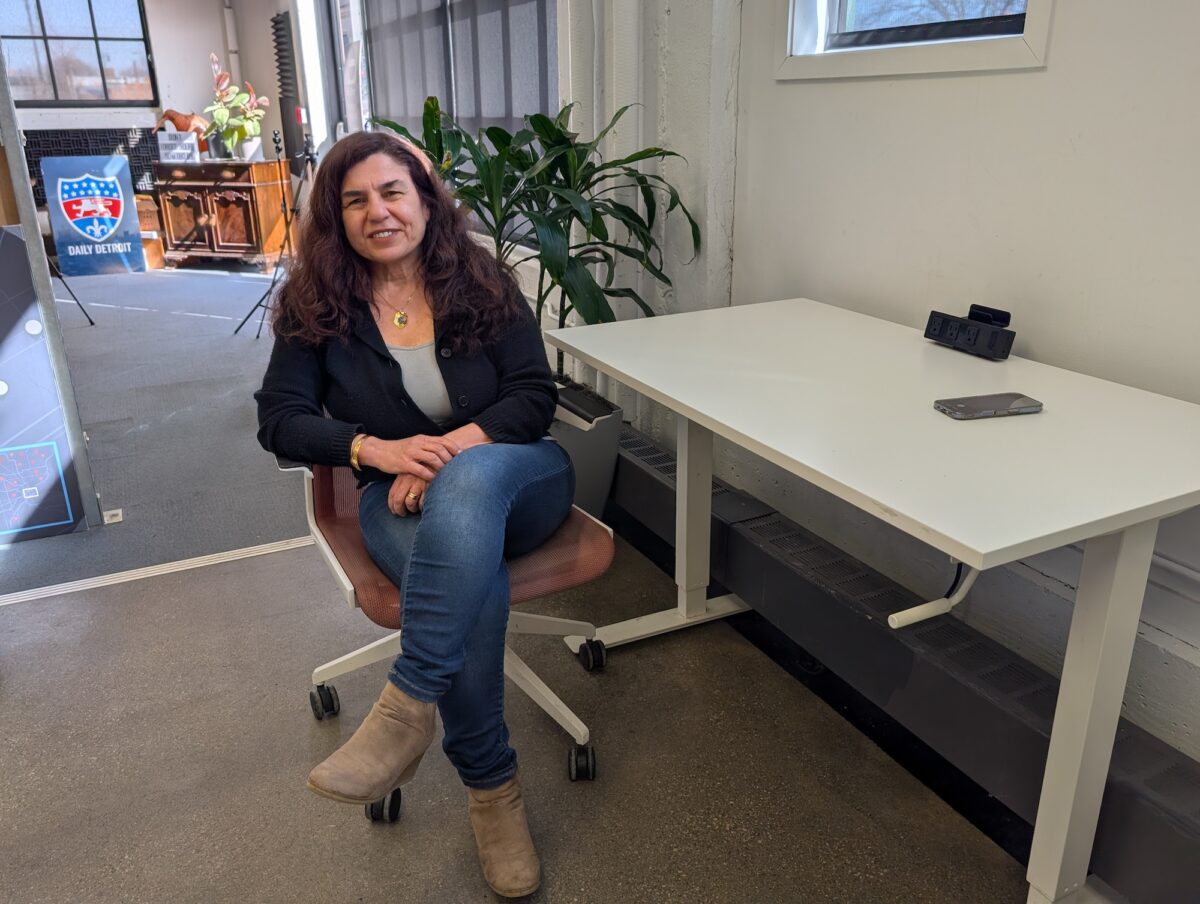
Chaldean American author and filmmaker Weam Namou is dedicated to helping her community heal through what she calls “not good or bad, just authentic” storytelling.
Born in Iraq, Namou immigrated to Michigan with her family as a child. Now a Sterling Heights resident, she cherishes her neighborhood and the family she raised there.
In 2018, Namou founded the nonprofit Unique Voices in Films to empower storytellers and strengthen understanding between the diverse people of metro Detroit. Her aim is for participants to develop an appreciation for other perspectives. “Creativity transcends religion, nationality, everything,” she said.
During her five years as executive director of the Chaldean Cultural Center in West Bloomfield Township, she led educational initiatives to introduce others to her culture. Through her faith, assimilation, and deep love for her family and community, Namou has come to see her role as a keeper of her heritage.
This interview has been edited for length and clarity.
Tell me about yourself, your connection to Detroit, and your community.
I was born in Baghdad, and I came to the United States at age 10. We arrived in 1981. We lived in Shelby Township, so we were not near Detroit. I later found out, from interviewing my oldest brother, who petitioned us to come here, that he purposely had us live far away because many of our community members were in Detroit, and they tended to stick together and didn’t really experience being American. At the time, we wondered why we were living so far from everybody. It was really at a much later age that I realized that was one of the smartest things he could have done, because it allowed me to pursue things I noticed later in life that my friends could not.
How were the other girls your age, who were entrenched in the community, limited?
They were ready to do the traditional things: graduating, getting married. Even the ones who went to college didn’t pursue a career. I was the only one who followed that passion. And there were other things I’d want to pursue that they would too, but they’d stop themselves, like traveling to Europe.
When did your passion for writing translate into the work you’re doing for your community?
After I graduated from Wayne State, I was going to go to law school. But I graduated early, and there was a big gap between my graduation and the start of law school. In that short period, I decided, no, I want to write full-time, and I want to travel.
During a transit at Heathrow Airport, I went into a bookstore. I saw a rack of books about Middle Easterners, and they all had women on the covers running away. They were all veiled. They were all running away from an abusive husband, brother, or father. And they were all written by Western authors. When I returned home, I looked for books or movies that depicted authentic stories about the people from that region. I found none. Especially none that related to women. So I vowed to write only authentic stories about our community.
Then in 2014, ISIS destroyed our ancestral villages, where my parents were born. They destroyed the largest Chaldean town, where my parents, grandparents, and great-grandparents were from. When that happened, that was another level of feeling responsible for my work. And that just kept deepening.
When my first book came out in 2004, everybody just asked me about Islam. It was right after the 2003 war, so the questions were all about how it felt being a Christian in a Muslim country, about Saddam Hussein. Nobody asked about my book. I realized my book is part of what I’m doing, but on a deeper level, it’s bringing awareness to a community on the verge of extinction, who still speak Aramaic, the language of Jesus, which is also on the verge of extinction. Today, outside of Michigan, nobody even knows who Chaldeans are or that we exist.
So I became an expert in my own community, but thanks to the West. Where I came from, we were not encouraged to know who we are. There have been several attempts over the decades to erase our heritage, so our heritage had to move. But this is why I have so much faith: there’s something greater than us. Who would have thought we would be moving physically and energetically, taking our heritage with us all the way to Michigan, where it has thrived? Michigan has the largest population of Chaldeans in the world. It’s got the world’s first and only Chaldean Museum, which I served as executive director for five years.
What’s the biggest challenge facing your community right now?
Preservation. The Chaldeans in Iraq right now, even though things are better than in 2014 with the genocide committed by ISIS, it was never really stable for them. They’ve gone from 1.5 million before the 2003 war to less than 150,000 today. My community needs to be able to tell its stories and understand the importance of doing so.
Is the absence of storytelling a cultural problem, or is it a result of the trauma?
It’s the trauma. Many are not healed. Middle Easterners have not exercised our ability in effective communication from an area that’s very oppressive. And regarding women, I think that any society, for it to grow and prosper, has to involve its women more. Make them partners. I know that in all societies, women have their challenges; they don’t have the same rights. But there’s nothing compared to how it is in the Middle East. If those issues are not looked at, this is a cultural thing that we don’t look into ourselves to see what it is that we’re doing. We can’t just point to the media and the government. What is it within us that’s not helping us get where we want to go?
Have you felt the impact of this in your personal life?
Definitely. My feature film “Pomegranate” won more than 50 international film awards. None from the Arab world. This is the first Iraqi American feature film, led by women talent. The mom is a real hijabi, and her daughter is too, but the daughter is considering whether to remove her hijab. And that was controversial enough to cancel talks and not give awards. I started learning realities that were very disappointing, and I struggled with that. But it’s either you give up on what you’re doing, or you realize it doesn’t matter. Creativity transcends religion, nationality, everything. In storytelling, you get a chance to dig deep into honesty, and that’s when the healing starts.

NEIGHBORHOOD REPORTING LAB STORIES
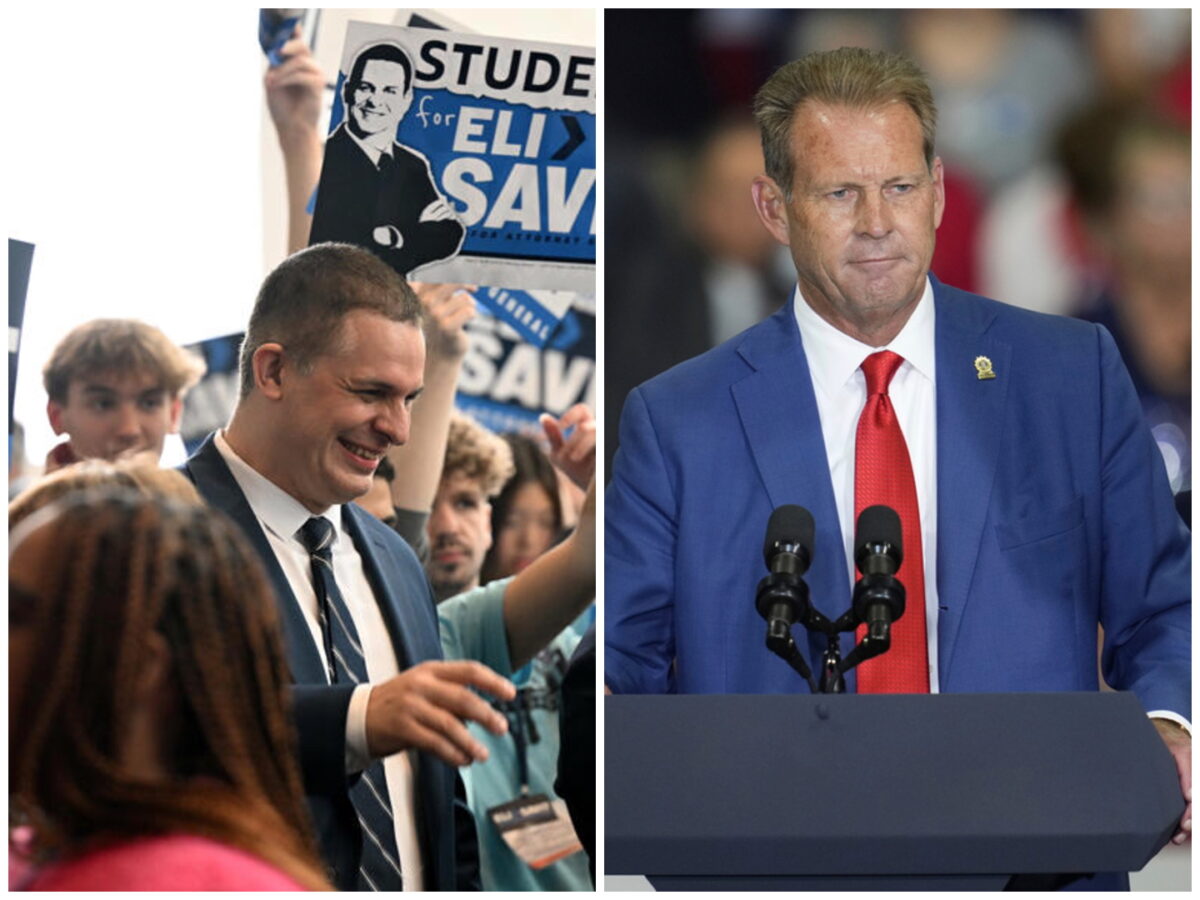
How Michigan attorney general race could reshape utility regulation, ratepayer protection
Michigan’s next attorney general will decide whether to continue Dana Nessel’s work challenging utilities over rate hikes and environmental issues.

Michigan environmental news: 105,000 without power after overnight storms, more severe weather expected
Overnight storms left over 105,000 Michigan residents without power, with more severe weather expected Thursday. Plus: fall vaccines arrive, Sterling Heights unveils green infrastructure project, and Lincoln Park raises water rates.

CatchLight selects Planet Detroit for grant to report on climate anxiety among Detroit youth
Planet Detroit receives a national grant to report on how climate change and pollution affect the mental health of young Detroiters through Climate Cafés, photography workshops, and youth-led storytelling.