

Overview:
- Detroit has breathed the world's worst air quality for two consecutive days, with hazardous pollution levels driven by wildfire smoke.
- Air quality is forecast to briefly improve Saturday before northwest winds bring more smoke late in the day.
- Over 1.5 million acres have burned in Ontario this year, and rain may not be enough to slow the fires.
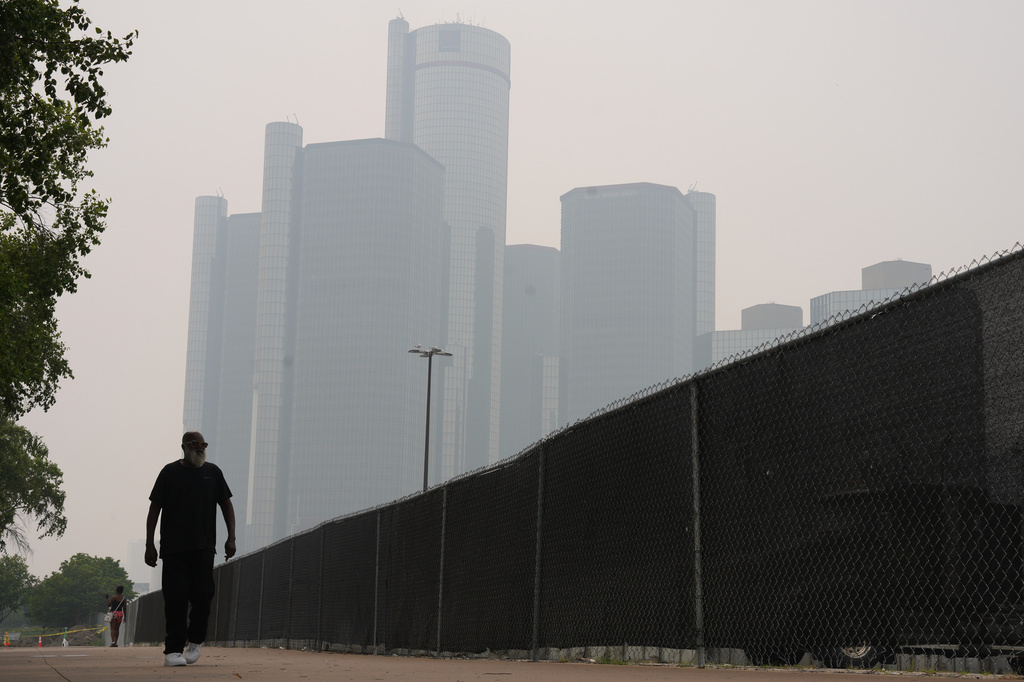
Detroit’s air quality ranks as the worst in the world for the second day in a row Friday as smoke from Ontario wildfires continues to pour into Michigan, although air quality is expected to improve slightly Saturday.
Wildfires burning in Ontario northwest of Lake Superior and in Minnesota have led to dangerously high levels of fine particulate matter, or PM2.5, statewide. The state warns that increased ozone may be an issue on Saturday as well.
The agency extended a statewide air quality alert through Saturday.
Saturday pollution levels will range from the Air Quality Index’s (AQI) unhealthy for sensitive groups (orange) range in southern Michigan to very unhealthy (purple) in the north of the state, according to the Michigan Department of Environment, Great Lakes, and Energy (EGLE).
The Environmental Protection Agency’s AirNow tool shows Detroit’s air quality has been in the hazardous (maroon) range for over 24 hours, as the city experiences its worst air quality since AQI recordkeeping began in 1999.
An AQI value of 300 or more is considered hazardous, the scale’s highest category.
The IQAir website listed Detroit, Chicago, and Washington, D.C., respectively, as the world’s most polluted cities Friday.
‘It would take a lot to slow these fires down’
While Michigan is seeing similar levels of pollution Friday as it did Thursday, a passing front and southwest winds will improve air quality Saturday, EGLE Senior Meteorologist Jim Haywood said in a forecast.
A cold front will pass through late Saturday, bringing northwest winds and more smoke, Haywood said.
It’s unclear whether storms in northern Minnesota and Ontario will dampen fires or if lightning in the region could lead to new fires, Haywood told Planet Detroit by email.
“The forecast does have more rain, but it would take a lot to slow these fires down,” he said.
Over 1.5 million acres have burned in Ontario this year, according to the Canadian Interagency Forest Fire Center.
EGLE advises residents to seek clean indoor air and keep activity levels low.
While indoors, keep windows closed; use portable air filters, and HVAC systems with MERV-13 filters or higher; and avoid activities like burning candles, vacuuming, smoking, or using gas stoves more than necessary, the agency says.
While higher-rated air filters like MERV-13 help capture particles, the HVAC manufacturer Carrier warns they can strain systems that aren’t designed for them.
EGLE recommends residents use an N95 or P100 NIOSH-certified respirator when going outside, although masks are not recommended for children under age 2.
Dr. Patricia Paz-Arabo, chair of emergency medicine at Trinity Health Livonia, told Planet Detroit Thursday that people should seek immediate medical attention if they experience any of these symptoms:
• Persistent or worsening cough.
• Difficulty breathing or shortness of breath.
• Chest pain or tightness.
• Worsening symptoms of any chronic respiratory condition.
Additional resources are available in Planet Detroit’s guide for dealing with wildfire smoke.
MORE AIR QUALITY COVERAGE
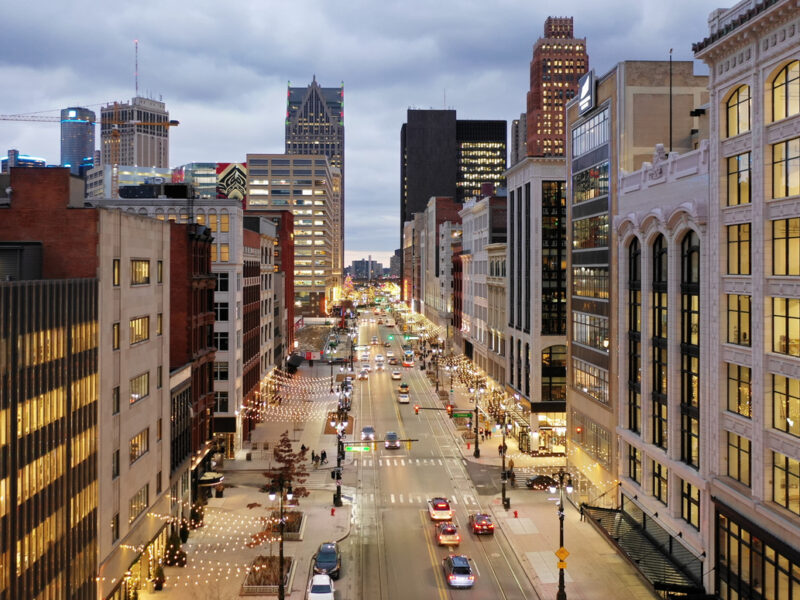
VOICES: Wildfire smoke exposes a hard truth — why staying indoors isn’t enough in Michigan
I have lived my entire life in Southeast Michigan, and until the summer of 2023, wildfire smoke was not something we regularly experienced here. Today, Michigan is experiencing one of the worst air quality days in its history. Air quality across the state has been classified as Hazardous due to elevated levels of fine particulate…

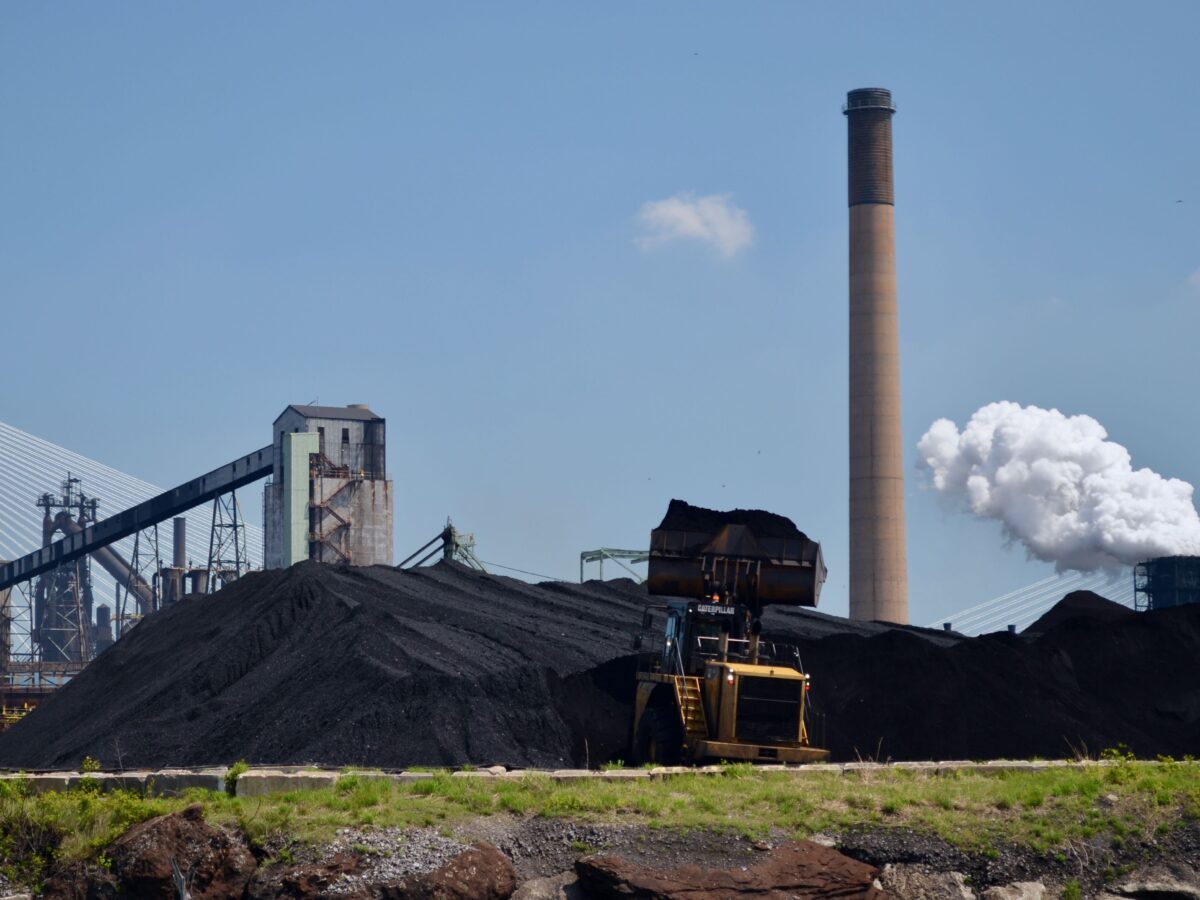
Federal judge to DTE: No delays for Clean Air Act compliance on Zug Island
DTE is appealing a $100-million judgment over sulfur dioxide pollution from its Zug Island subsidiary.


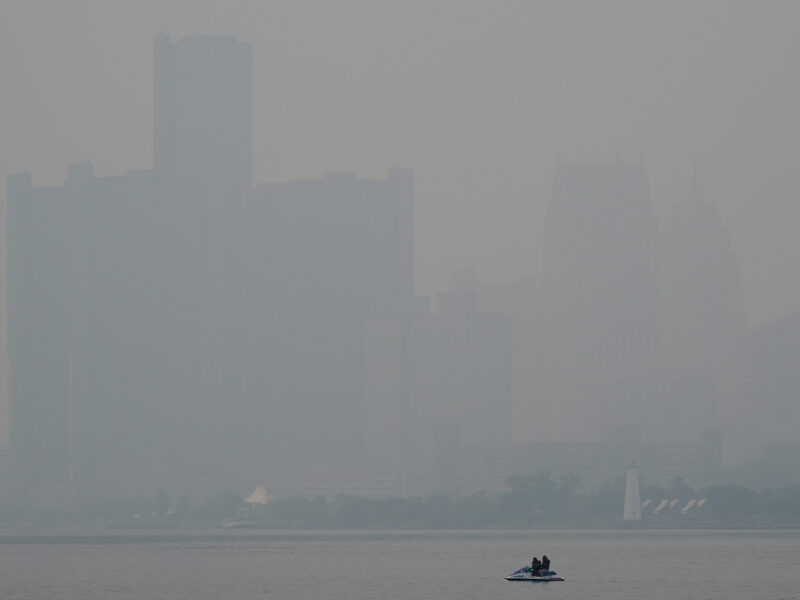
Detroit air quality is worst in city’s recorded history from Canadian wildfires
Detroit is experiencing its worst air quality since record-keeping began in 1999, with pollution levels reaching 650 on the air quality index Thursday due to thick wildfire smoke from Ontario.