

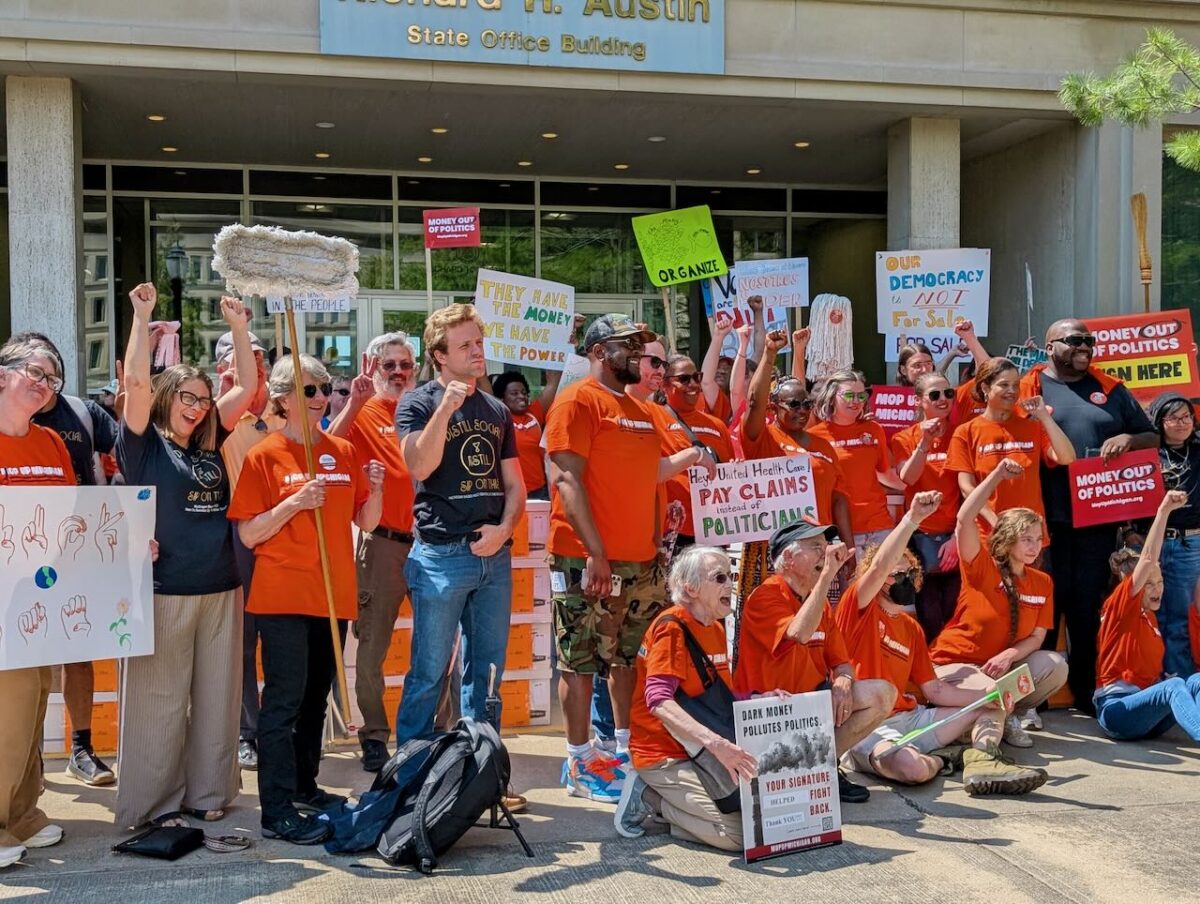
Overview:
- Proposal 2 passes by a wide margin and bans campaign spending from regulated electric and gas utilities, contractors with over $250,000 in annual government contracts, and people and groups closely tied to them.
- Proposal 1, which asked whether Michigan should hold a constitutional convention, fails after opposition from groups as different as Planned Parenthood of Michigan and Right to Life of Michigan.
- Supporters say the Proposal 2 result shows limits to corporate power.
by Katherine Dailey, Michigan Advance
November 3, 2026
Proposal 2 on Michigan ballots, the “Michiganders for Money Out of Politics” initiative, has passed. The initiative will alter state campaign finance law to ban campaign spending from “regulated electric and gas utilities, contractors with over $250,000 annually in government contracts, and people and organizations with substantial connections to those utilities or contractors.”
Meanwhile, Proposal 1, a ballot measure asking Michigan voters if they want to call a constitutional convention, has failed, with the measure having garnered significant opposition from a wide range of groups.
Proposal 2 succeeded by a 62-point margin, with unofficial results showing “yes” votes taking 81.2% of the vote as of 9:38 p.m., when the race was called by the Associated Press, with less than 10% of the vote in.
“Tonight, David beat Goliath,” said Ken Whittaker of Michigan United, when Michiganders for Money Out of Politics claimed victory just after 9 p.m.
Christy McGillivray, executive director of Voters Not Politicians and a co-chair of the ballot effort, said the results show that there are limits to corporate power.
“We’re the ones that make change. Our representatives failed to deliver on holding corrupt pay to play politics accountable, so we said enough. And tonight Michiganders delivered,” McGillivray.
The ballot proposal had broad support in polling leading up to Election Day and throughout the election cycle.
Republican leadership in the state House had sought to keep the measure off the ballot by passing a version of it into statute in the Legislature, a move that Democrats said could have made it easier to amend or overturn later. However, Senate Majority Leader Winnie Brinks — also the Democratic lieutenant governor nominee — declined to take it up in the Senate, leaving the decision to the voters.
An opposition group to the measure, Protect MI Free Speech, had filed a lawsuit against the Board of State Canvassers alleging that the ballot petition did not meet the threshold of valid signatures required to put it on the ballot. The Michigan Supreme Court declined to hear the lawsuit in early September.
The constitutional convention proposal failed by a 50-point margin, with unofficial results showing “no” votes taking 75.5% of the vote as of 9:40 p.m., when the race was called by the Associated Press, with 15% of votes counted.
The measure is constitutionally mandated to appear on the ballot every 16 years, but has not passed since 1961, when Michigan’s current state constitution was crafted. The last three times the question was on the ballot — 1978, 1994 and 2010 — the measure failed by wide margins, similar to Tuesday’s early returns.
The measure faced an ideologically broad opposition movement, with groups ranging from Planned Parenthood of Michigan to Right to Life of Michigan coming out in opposition. Much of the opposition to the prospect of a convention came from concerns that it would have allowed special interest groups to exert their influence over the convention process and put in place new constitutional measures that would be beneficial to them.
Following news that it had been defeated, the group organizing the opposition issued a simple statement: “THANK YOU! WE DID IT — TOGETHER.”
Michigan Advance is part of States Newsroom, a nonprofit news network supported by grants and a coalition of donors as a 501c(3) public charity. Michigan Advance maintains editorial independence. Contact Editor Jon King for questions: info@michiganadvance.com.
MORE POLITICS COVERAGE
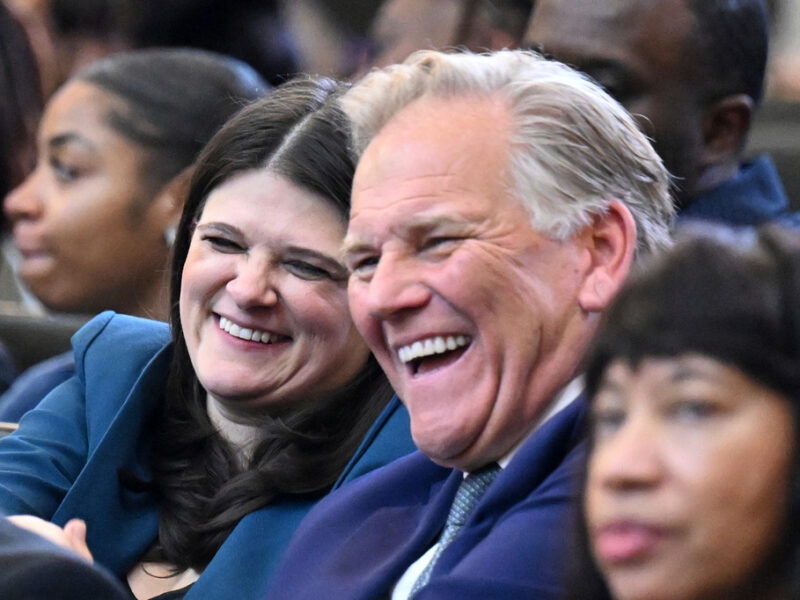
Why Haley Stevens endorsed Mike Rogers: Inside the Michigan Democratic rift over El-Sayed’s Senate campaign
Days before Election Day, the congresswoman who lost the Democratic primary to Abdul El-Sayed backed his Republican opponent after being uninvited from a joint event.

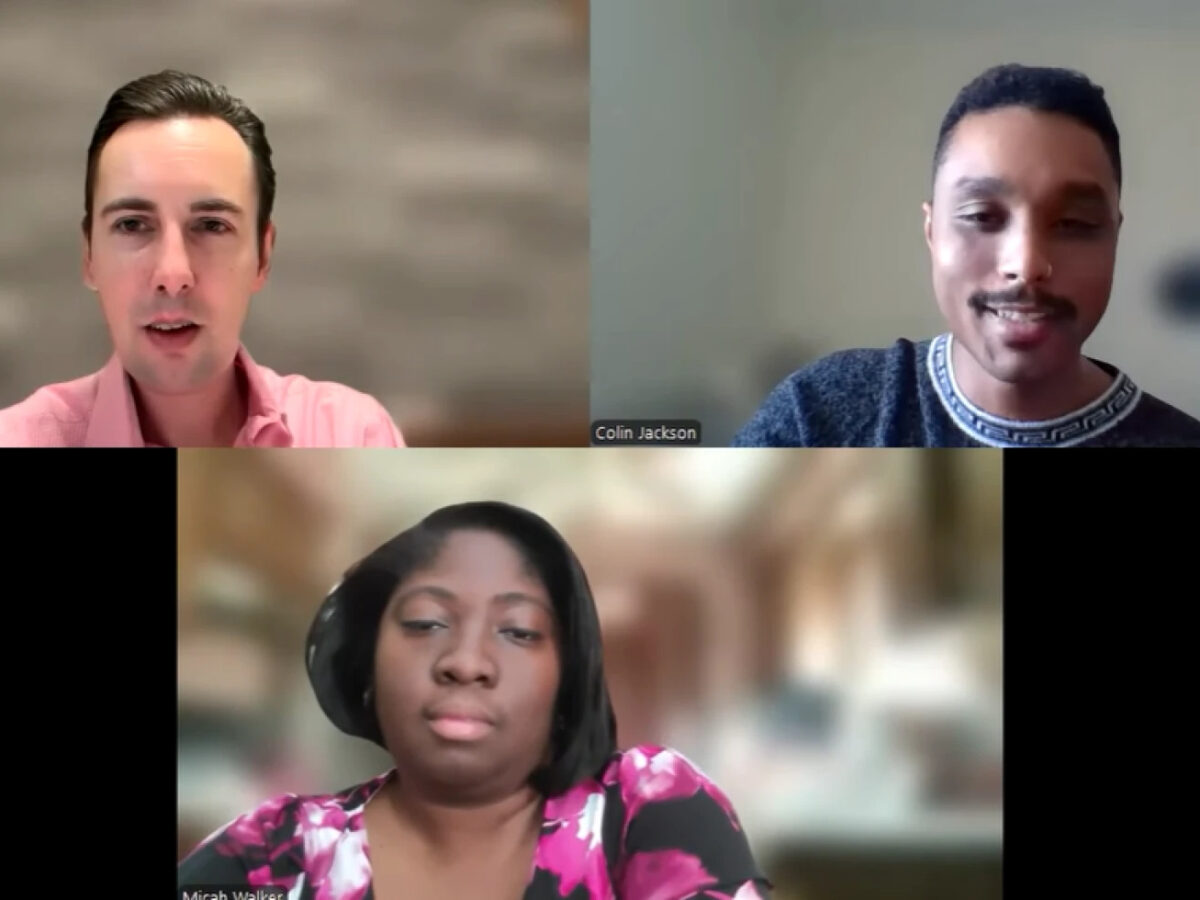
Michigan’s 2026 midterm election: What’s at stake for schools, utilities, the environment
Colin Jackson of the Michigan Public Radio Network joins Micah Walker of BridgeDetroit and Dustin Blitchok of Planet Detroit for a roundtable on issues at the top of voters’ minds ahead of the Nov. 3 election.

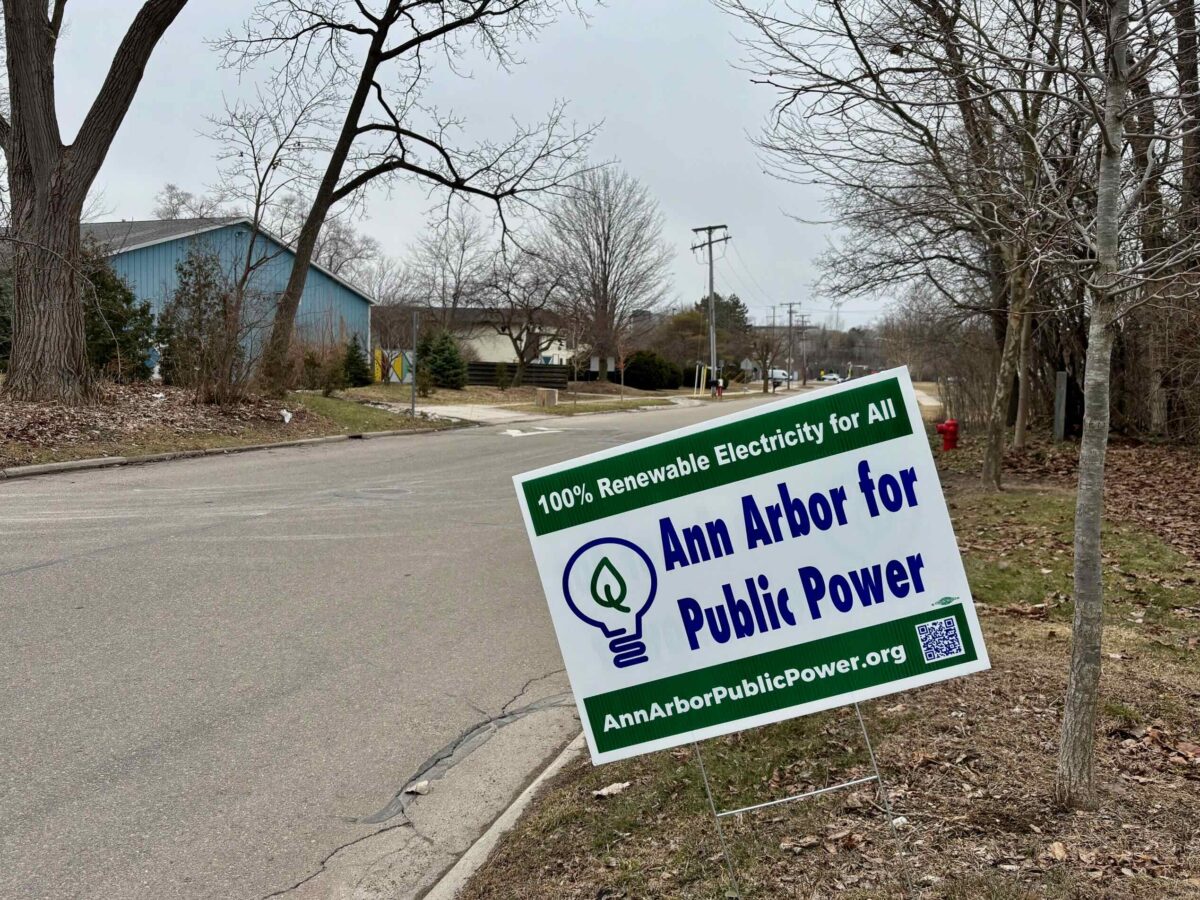
Voices: Imagine Ann Arbor beats DTE. Why Prop E is worth fighting for.
An energy justice leader who has worked alongside Ann Arbor argues the City Council is giving up too soon on Prop E and public power, and why the fight is worth taking on.

