

Overview:
- Audra Carson founded Izzie Global after her tire recycling company De-Tread collapsed, pivoting to neighborhood cleanup and beautification services across Detroit
- The company employs elders, returning citizens, and people without transportation to remove trash from parks and streets before it reaches storm drains and the Detroit River
- Carson's work supports Michigan's goal to cut waste in half by 2030, with partners saying the state cannot meet targets without community-based organizations like Izzie Global
Planet Detroit’s neighborhood reporters are local residents who cover health, environment and climate issues in their neighborhoods. The Lab is made possible with the generous support of the Kresge Foundation.
In 1971, Keep America Beautiful, a nonprofit dedicated to reducing litter and promoting recycling, released the public service announcement “The Crying Indian.”
The ad featured American actor Iron Eyes Cody, dressed in Native attire, canoeing down a river littered with trash. The emotional burden of pollution destroying a beautiful waterfront was captured with the fall of a single tear down Cody’s cheek.
The televised ad reached millions of Americans as part of its national anti-litter campaign, including a young Detroiter named Audra Carson. Carson recalls seeing the ads during commercial breaks while watching cartoons as a child, and still image posters on the walls of her elementary school.
“I took those things to heart,” said Carson.
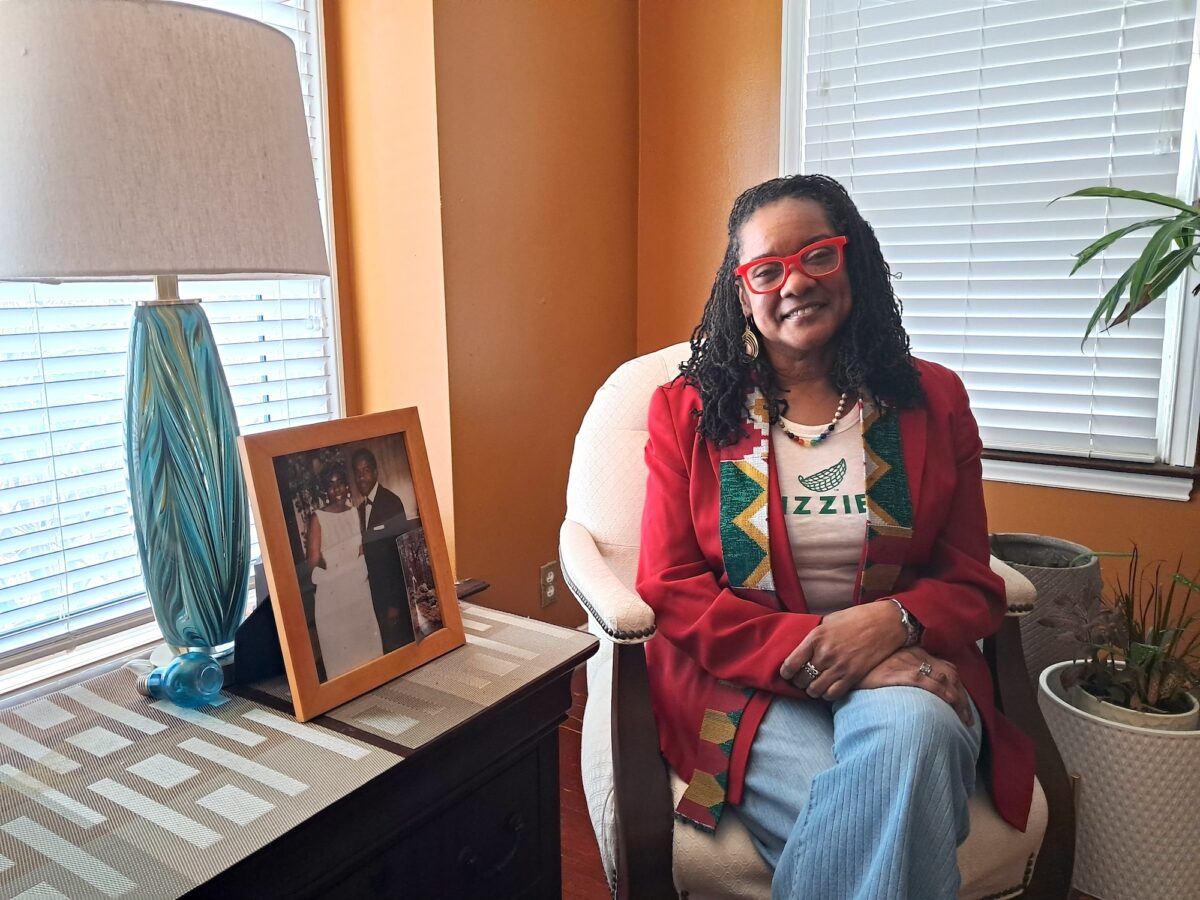
Today, Carson is the founder and CEO of Izzie Global, a waste management and beautification service provider. Named in honor of her mother, Izzie Global partners with local businesses, government, and community organizations across Detroit to maintain walkways, lots, and parks, keeping green spaces free of debris.
Carson credits her love for sustainability and community to her parents. Growing up, her parents were passionately involved in community cleanups and eco-education, starting block clubs, and organizing other youth events in their neighborhood.
“My mom created junior block clubs, and my dad is probably still on the books as the president of the 14200 Cloverlawn Block Club,” said Carson.
That connection fostered Carson’s career shift from corporate to a community-focused approach.
“I saw the way in which they stewarded property and community,” said Carson.
Tired of tires
Carson spent a combined 30 years as a business analyst, first at MetLife and later at a major health care organization. During visits to her parents, Carson was bothered by the blight she saw near her childhood home.
“People were dumping tires where I used to live. This troubled me, seeing those piles of tires in areas that I used to play,” recalled Carson. “My heart was pricked, my brain was enlightened, my soul was called to try to do something about it.”
In 2009, Carson would become founder and CEO of De-Tread, a social enterprise consulting company focused on reducing tire waste and improving environmental stewardship. De-Tread, whose name referenced Detroit’s cultural and economic symbolism as the car capital of the world, was developed as a solution to the millions of tires discarded into the environment each year.
The goal was to recycle tires into an alternative pavement solution for roads. Citing the millions of tires abandoned annually, Carson draws attention to the environmental dangers they pose.
“Once I began to do my research, I recognized that it was a tremendous global issue, not just in the United States alone. The danger of tire piles, once they become engulfed in flames, they cannot be extinguished in a normal way.”
“When tires sit in the sun, they leach toxic chemicals into the air and water when it rains. That’s a way in which disease can be transmitted,” Carson said. According to a report by the Federal Highway Administration, nearly 300 million tires are discarded by Americans every year.
After consulting with friends and family, Carson joined Tech Town’s first business incubator cohort, Start Studio, to launch her dream into reality. There, she was connected with prominent business owners and advisors who supported her during the early stages of De-Tread.
The first order of business was to create a second company that would serve as the sister organization to De-Tread, Izzie Logistics and Distribution (L&D). Izzie L&D was to operate as the tire transportation arm of De-Tread.
Momentum grew for De-Tread as Carson’s story circulated widely on media platforms. Detroiters paid tribute to the efforts and brand that De-Tread was building, nicknaming Carson “The Tire Lady.”
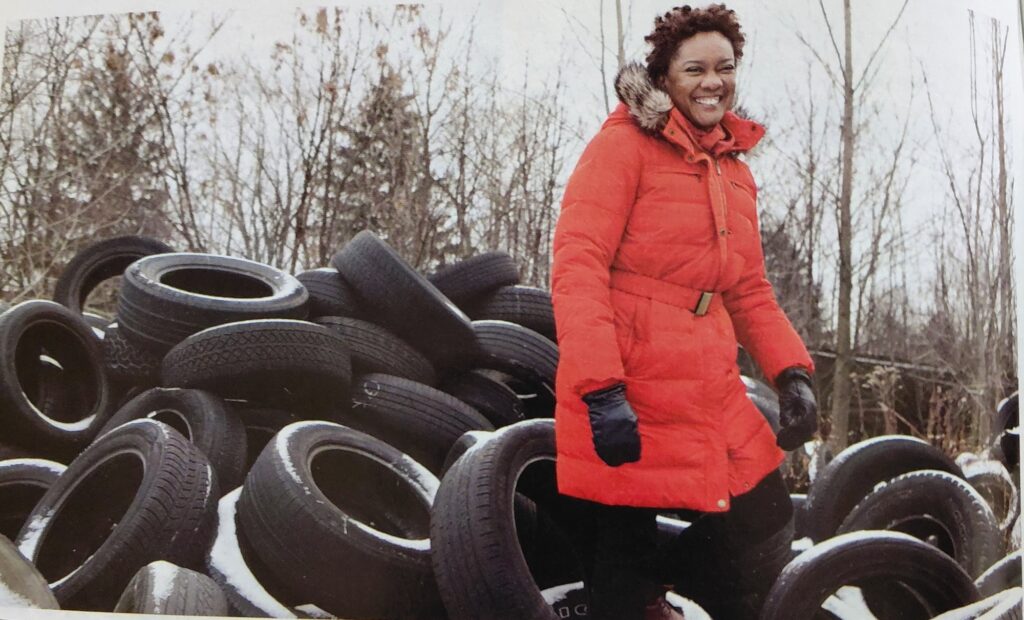
Organizations such as the Skillman Foundation and Patronicity provided grants and crowdsourced support to fund Carson’s tire cleanups across the city. She began developing apparel as another way to generate financial stability for De-Tread.
De-Tread was later awarded a Motor City Match grant, a Keep Michigan Beautiful award, and a Spirit of Detroit award. Carson was building a foundation for De-Tread that was strong, well-supported, and admired by many — one that seemed unlikely to fail.
Until it did.
De-Tread, due to unforeseen circumstances, ceased operations after a financial collapse forced its closure. For Carson, this was a difficult time in her life.
“This thing is your baby; entrepreneurs put everything into it. I lost a lot, I was in a rough spot; it was heartwrenching,” said Carson.
Despite the unexpected and difficult loss of De-Tread, Carson’s commitment to community and sustainability wouldn’t allow her to simply quit – it’s in her DNA.
She redirected the ship. Izzie Logistics and Distribution/Logistics & Distribution was renamed Izzie Global. The name changed, but the mission remained the same.
From tires to beautification
Izzie Global’s new logo, a single leaf with tire-tread marks, pays tribute to both Carson’s roots in stewardship and De-Tread’s once-promising legacy. Protecting Mother Earth came in a new approach: removing trash instead of tires.
Carson assembled a team around her to regroup the organization. She didn’t seek the help of temp agencies, college interns, or even volunteers. Instead, using a solutions-based workforce model, Carson began recruiting elders, returning citizens, and individuals without personal transportation.
“I felt like every single person in this city deserved to walk spaces that are clean and dignified,” Carson said.
Izzie Global isn’t just cleaning up trash; its improving ecosystems. Plastic bottles, bags, styrofoam takeout containers, leaves, and more often enter storm drains when residents aren’t mindfully placing trash in trash cans. Rain washes debris down sewer drains, which discharge into nearby water sources, making it difficult to enjoy recreational activities like swimming in the Detroit River.
Carson wants to do her part to ensure that people can continue to experience the joy of green spaces.
“People feel a certain way when they’re walking through filth,” said Carson. “Their humanity is elevated because of what we do, and I don’t take it lightly.”
In recent years, Carson has expanded her efforts, evolving her work to include strategic consulting and partnerships with community-based organizations. She has worked alongside other businesses such as OtherWork, an architectural firm, and consulting on community revitalization projects, including Farwell Park, Cool Cities Park, and the Denby-Whittier Neighborhood.
Jerry Hebron, co-director at North End Christian Community Development Corporation, a partner of Izzie Global, has benefitted from Carson’s labor of love. While regularly hosting events at their Oakland Ave farm in Detroit’s North End, Hebron has used Izzie Global’s services multiple times. Hebron, like Carson, sees the bigger impact of Izzie Global’s work.
The state of Michigan’s Healthy Climate Plan has an aggressive goal of cutting waste in half by 2030. Hebron doesn’t think the state can do it without organizations like Izzie Global doing their part.
“The state of Michigan has a goal for the reduction in the amount of waste that goes to the landfill, and we’re already into 2026. We got four years to meet that goal, and I don’t even think we’re anywhere close to meeting that,” said Hebron.
“There’s a lot of work to be done, but not enough people who do it. Waste management is a process, but it’s also a system, and you must have someone to manage it. Audra’s team does that.”
Having already achieved so much, Carson is focused on the future. She is working on her own organic weed killer and hopes to expand her work beyond Detroit.
“It all comes back to Mother Earth; how do we treat Mother Earth? How can I assist in the healing of Mother Earth?”
More from Planet Detroit’s Neighborhood Reporting Lab
How do Detroit’s urban farmers build resilience? New fellows will find out
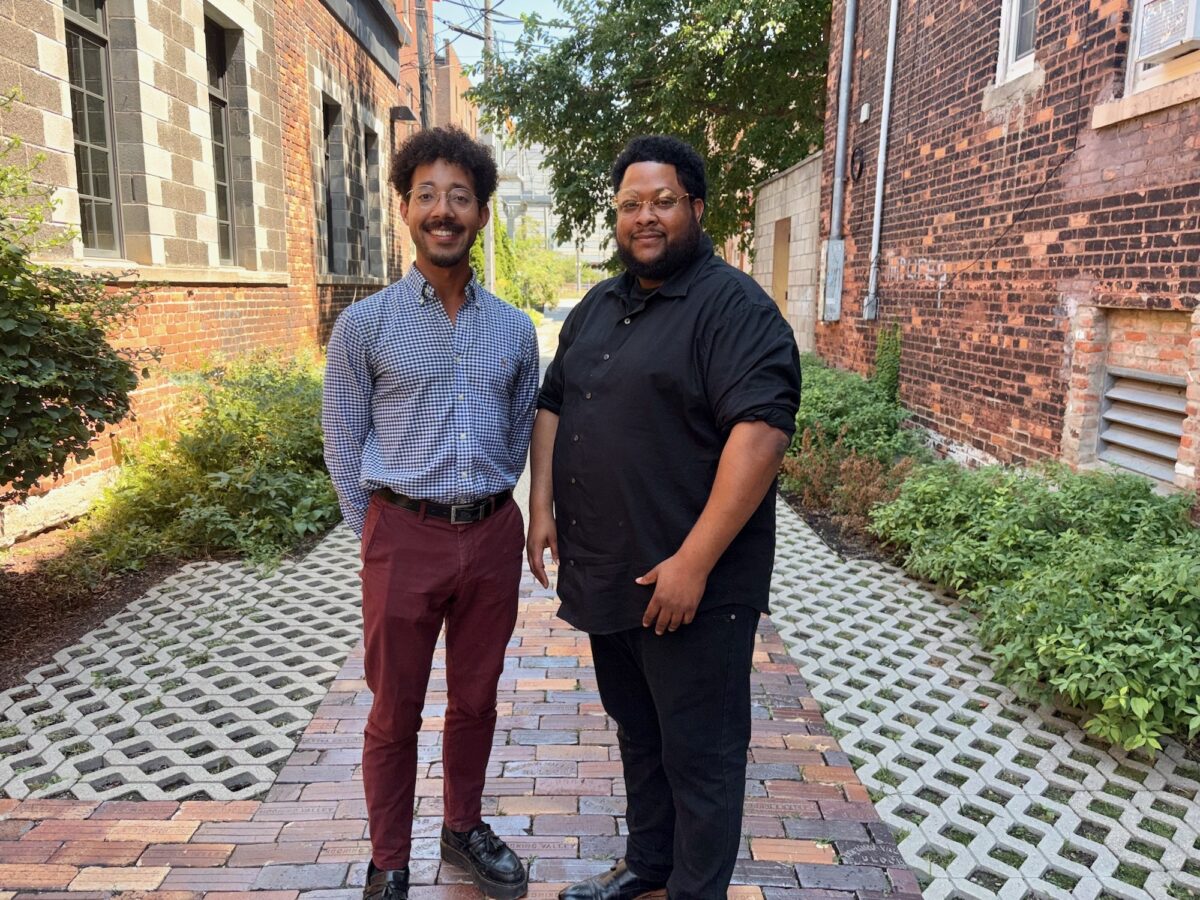
Planet Detroit selects Clayton Cortez Smith and Mikehl Hafner as its inaugural Brennan Resiliency Journalism Fellows. The two Detroit-based writers will profile growers and farmers across the city, exploring what drives them to grow food in Detroit.

How one woman is connecting Detroit’s houses of worship to environmental action
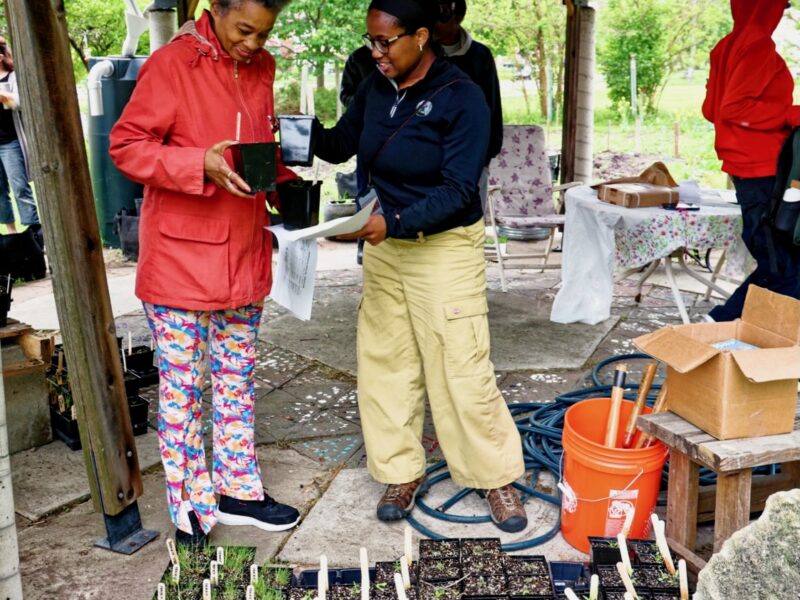
Tiffany Jones leads Sacred Grounds, a program helping Detroit houses of worship build rain gardens and native plant habitat. The initiative addresses flooding while connecting faith communities to environmental stewardship.

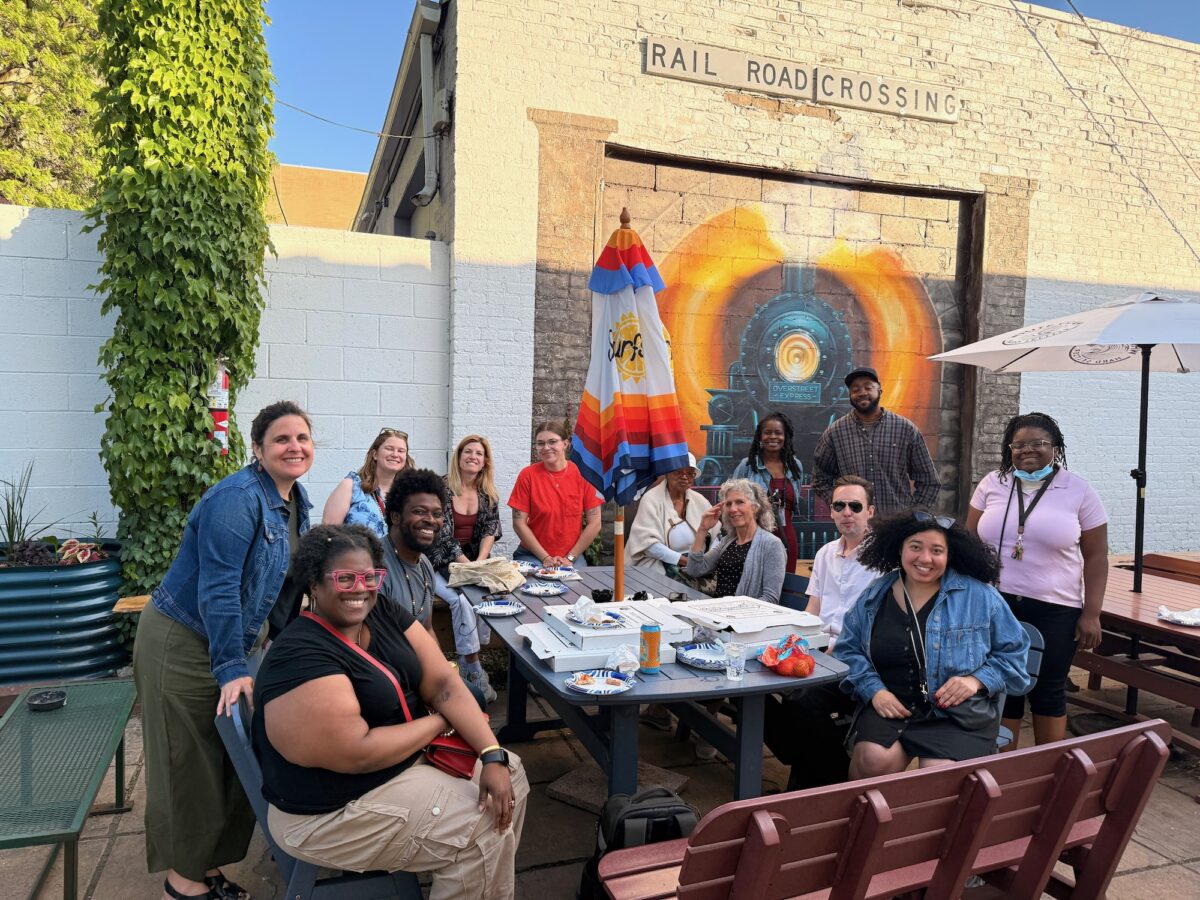
That’s a wrap: Celebrating the 2026 Planet Detroit Neighborhood Reporting Lab
Twenty Detroit-area residents with no prior journalism experience completed Planet Detroit’s 2026 Neighborhood Reporting Lab, learning to report on environmental health and climate issues in their own communities.