
Overview:
- Dustin Blitchok, Planet Detroit's managing editor, mentors community reporters through the Neighborhood Reporting Lab to report neighborhood stories that may not otherwise be told.
- "I like the community aspect of it because many people in Detroit have never been interviewed or met a reporter, and yet journalism is so important to our democracy," he says.
- Recent community-reported stories include a sailing instructor on Belle Isle and green infrastructure work at Chandler Park — stories that highlight grassroots efforts building community in Detroit.
Planet Detroit’s neighborhood reporters are local residents who cover health, environment and climate issues in their neighborhoods. The Lab is made possible with the generous support of the Kresge Foundation.
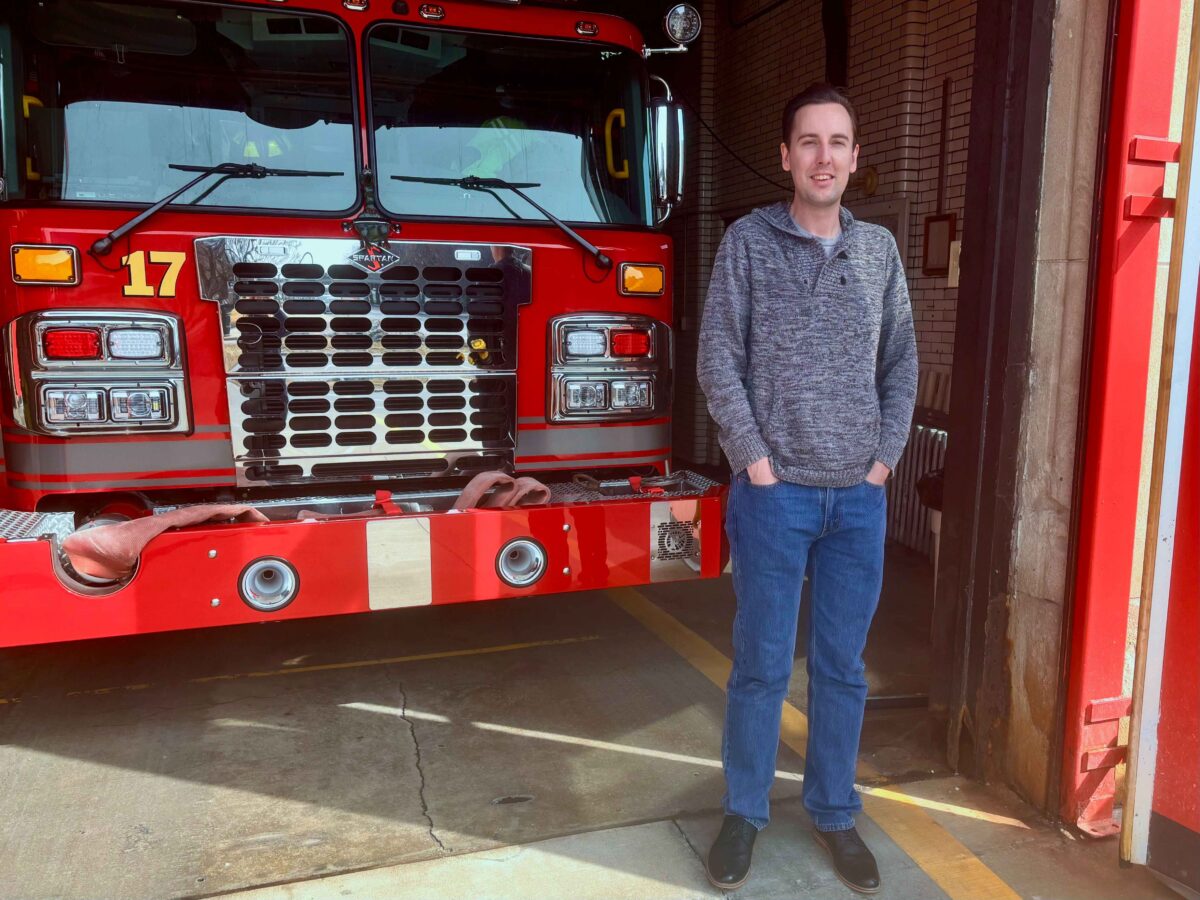
Dustin Blitchok’s mission is to tell stories with impact.
Planet Detroit’s managing editor, 36, spoke about his experience as a mentor for the Neighborhood Reporting Lab and the importance of community reporting to his work in Detroit.
This Q&A has been edited for clarity and length.
Q: Tell me a bit about your past and your journey into journalism.
Blitchok: I started in journalism when I was a teenager by writing letters to The Oakland Press, a daily newspaper in Pontiac. I always loved writing and I always paid attention to the news; I started taking photographs when I was 8.
When I was in high school, the newspaper created an advisory board to their editors. So I was leaving school during the day to go to editorial meetings in a newspaper. I had this really great early experience being in the newsroom and learning about how that works.
I went to Wayne State for journalism and never finished, got hired out of school by The Oakland Press, and that became my first full-time job. In August 2010, I moved to the Cass Corridor and I’ve lived in that neighborhood ever since.
After working at The Oakland Press, Oakland County, and Metro Times, I spent seven years at Benzinga, a national business publication based in Detroit.
That’s a big place — a lot of reporters, a lot of editors, international, publishing 24 hours a day. I worked with many young reporters and interns. In the Neighborhood Reporting Lab, I’ve been able to use that experience with community reporters.
How have your experiences shaped how you mentor?
I like being an editor. I wasn’t always sure I would, but then I started doing it and I liked working with people’s copy and going back and forth with them on an assignment, and I really grew into that.
I like working with people from the standpoint of being their doorway to journalism. With the Neighborhood Reporting Lab, I like the community aspect of it because many people in Detroit have never been interviewed or met a reporter, and yet journalism is so important to our democracy.
I feel that the more people we have out in the community who understand how it works and want to keep it going, the better for our team. So that’s my attraction to the Neighborhood Reporting Lab.
It’s all about finding good sources of information.
A lot of people who have been in this program have continued writing for us, because they keep having ideas and keep pitching us, and so they become freelance writers.
How does Planet Detroit approach newsgathering and storytelling?
Planet Detroit is different because we are a nonprofit model and online only. We cut through (the noise) to an extent with stories that are so local.
The Neighborhood Reporting Lab is also a media literacy project. We are showing people how stories are made and published.
As an editor, I’m always trying to look at the stories we can do that have the most impact. In the Neighborhood Reporting Lab, we published a story about Harry Jones, who takes kids out and teaches them how to sail at the boathouse on Belle Isle. I didn’t know about that, and he’s been doing it for years. Another story covered Danny Dolley, who works on green infrastructure at Chandler Park.
Those are two stories I certainly didn’t know about until I edited them. I loved that. I love working with people and learning what stories they want to elevate.
What has your experience been like at Planet Detroit and with the Neighborhood Reporting Lab 2025?
I started at Planet Detroit in February 2025, so I’ve been here a year. I like the idea of reporting something that you’re not seeing in the media, whether it’s an underrepresented community or it’s a positive story that just needs to be told.
We know that the newspapers are smaller and they are trying to cover so much with so little. People need to hear these stories that are uplifting, whether it’s someone who started a community garden, or community fridges, or the produce rescue.
These kinds of grassroots efforts are happening in a time in the country when it’s scary, and so it’s all about building community.

NEIGHBORHOOD REPORTING LAB STORIES
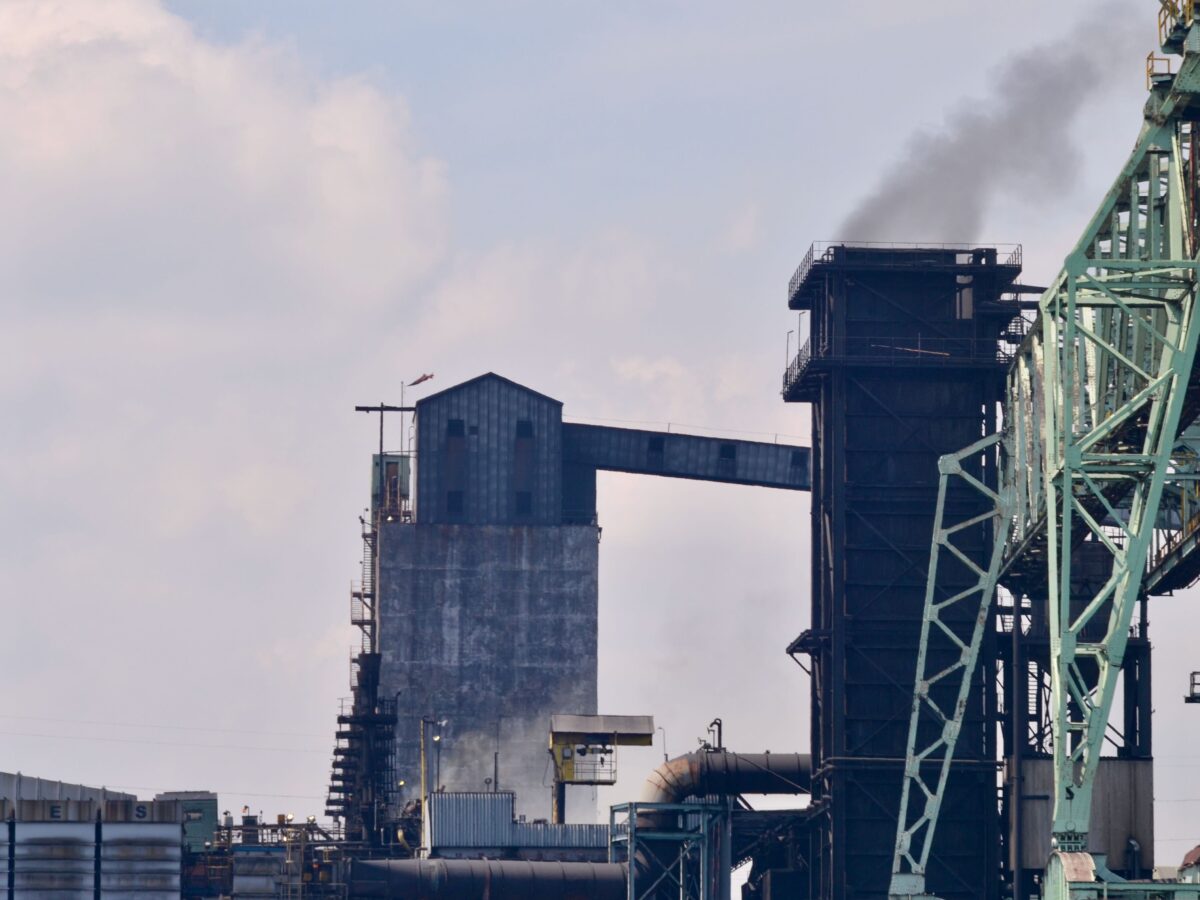
DTE Energy attacks $100 million fine for Zug Island pollution on appeal, says order for community funds ‘crossed a line’
DTE is appealing a February federal court ruling that found Southeast Michigan’s electric service provider responsible for Clean Air Act violations by EES Coke Battery and entered a $100-million judgment against DTE.


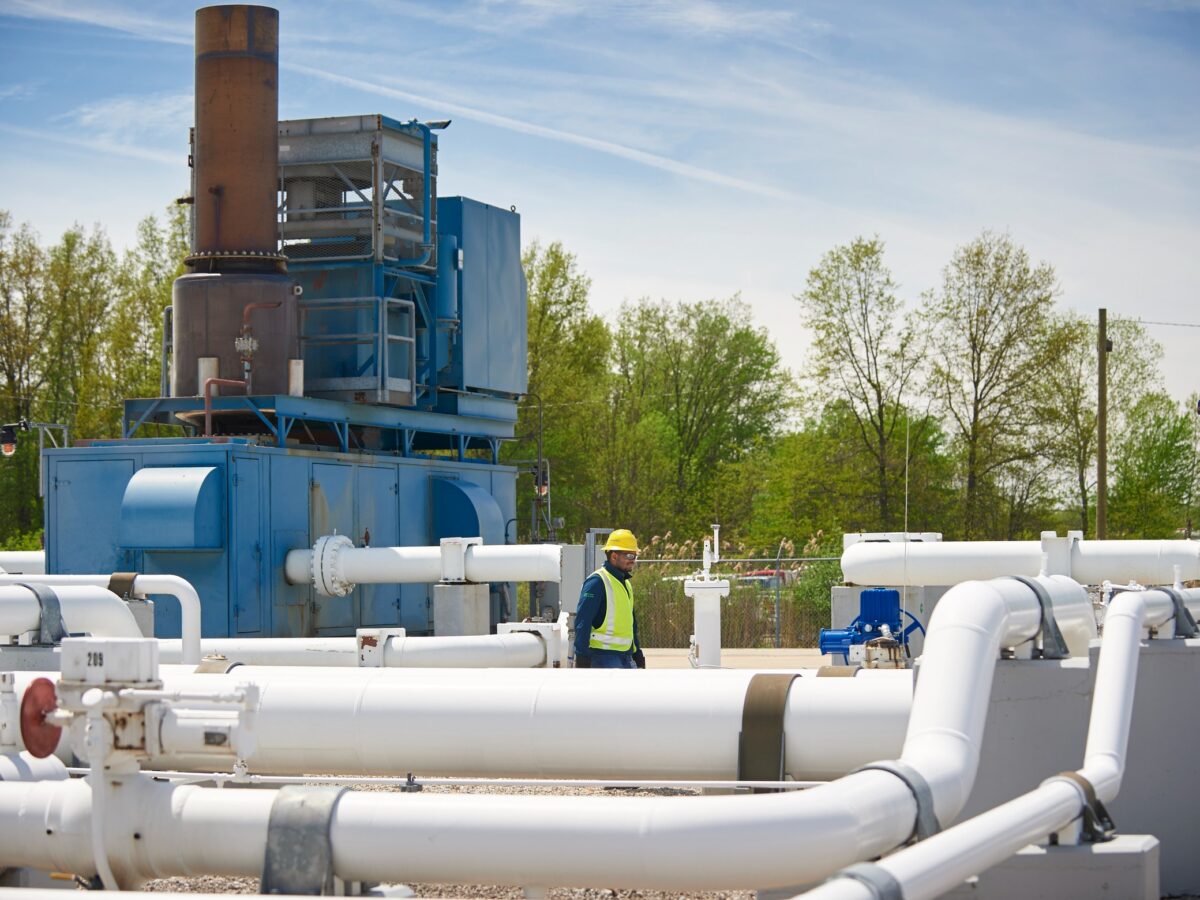
Michigan environmental news: Consumers rate hike, SNAP rolls shrink, Joe Louis Greenway funding
Consumers Energy customers will pay higher gas bills starting Nov. 1, Michigan food banks face surging demand as SNAP rolls shrink, and three wildfires burn across the Upper Peninsula.
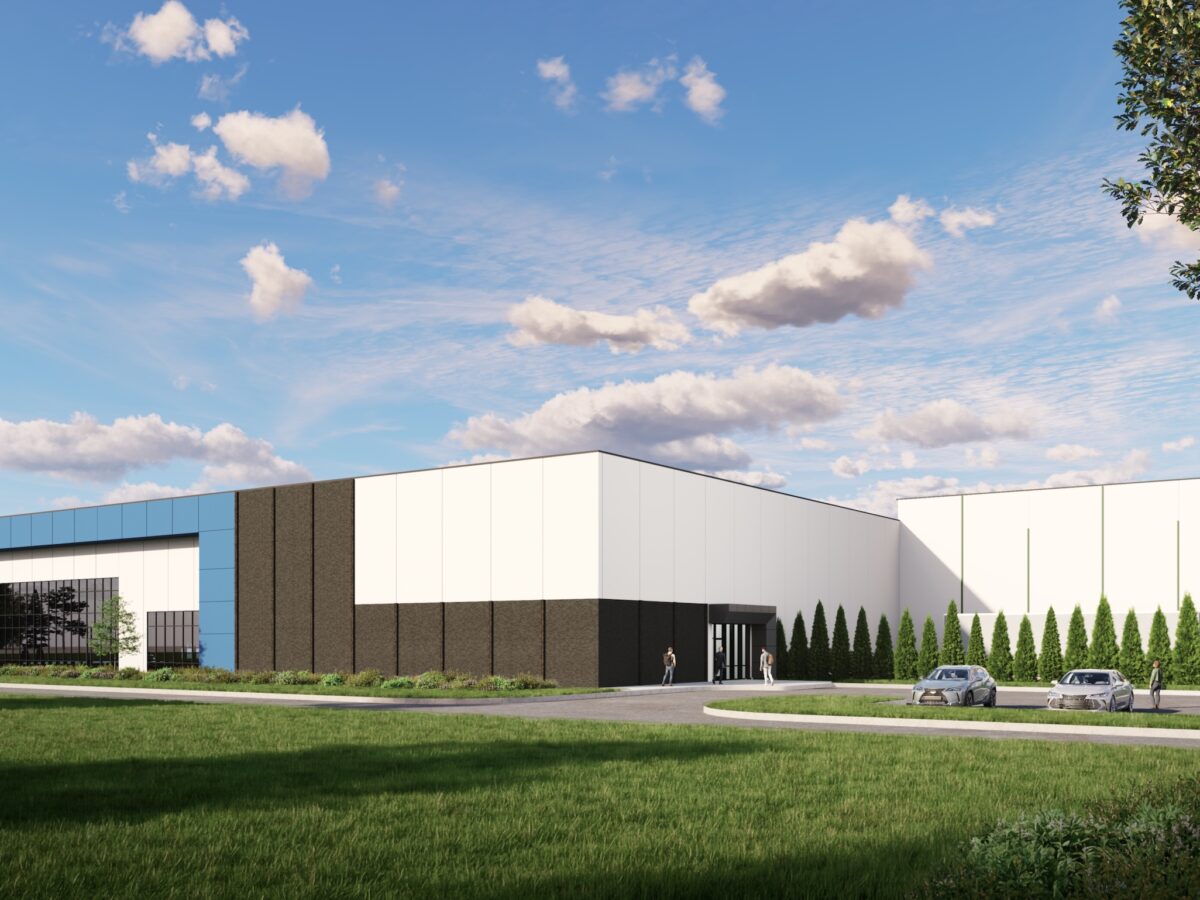
Google data center secures Van Buren Township approval, with startup expected in late 2027
Van Buren Township’s planning commission approved Google’s data center site plan in a 5-1 vote Wednesday, despite concerns from nearby residents about construction noise, dust, and health impacts. The facility is expected to begin operations in late 2027.