

Overview:
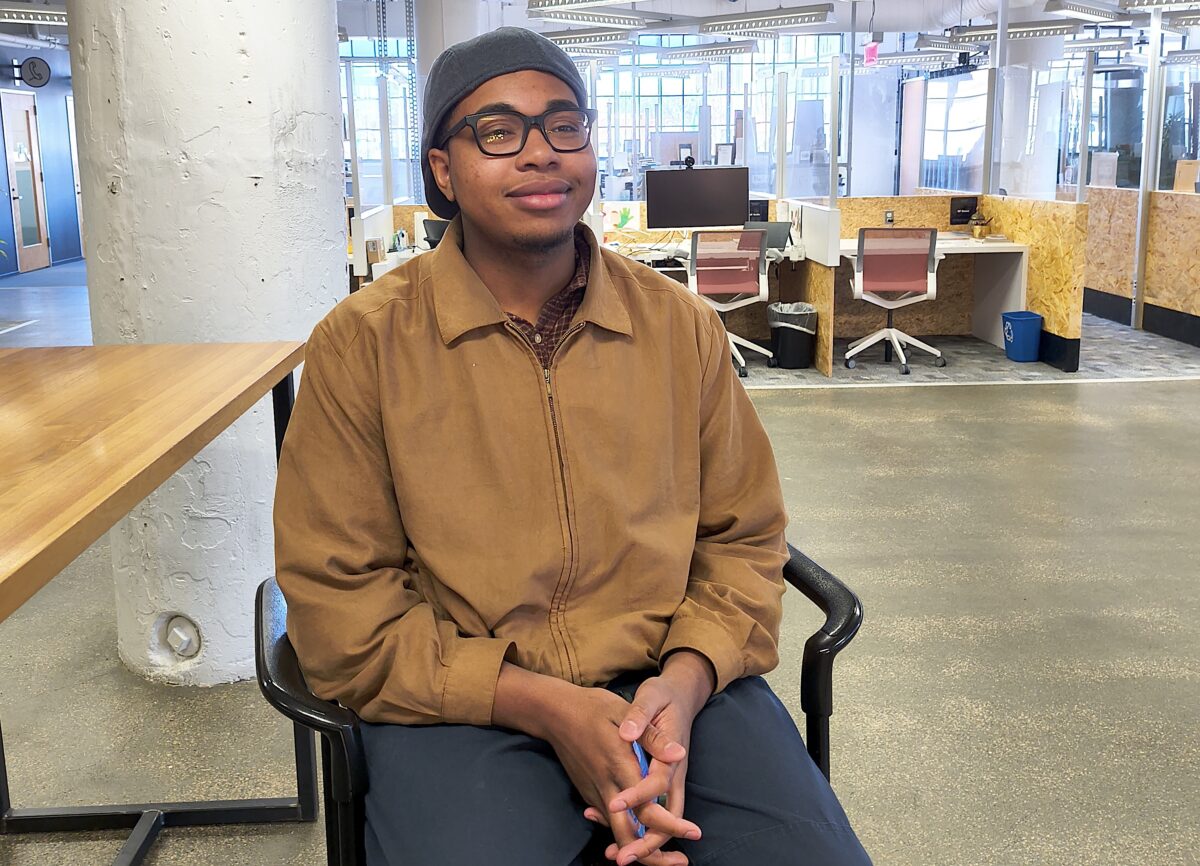
- Wayne State student Zayd Walid studies environmental science and public health, motivated by his childhood lack of access to parks in Southwest Detroit
- Detroit ranks as the most challenging U.S. city for asthma sufferers, with Southwest Detroit facing high industrial pollution and heavy truck traffic
- Walid conducts air quality research and wants to become an environmental educator to teach young people about sustainability and community health
Planet Detroit’s neighborhood reporters are local residents who cover health, environment and climate issues in their neighborhoods. The Lab is made possible with the generous support of the Kresge Foundation.
English
Zayd Walid is an environmental science student specializing in public health at Wayne State University, but he still remembers his childhood. He vividly recalls Mrs. Pat, an elderly neighbor who had a huge cherry tree in her yard. After school, he and other kids would slip into Mrs. Pat’s garden to eat cherries and sometimes her homemade cherry jam.
That memory stays with him because there weren’t many parks in his neighborhood for children to play in. Now that he’s an adult, not much has changed. While studying at Wayne State, he noticed the only green spaces nearby were private. Kids in his neighborhood still don’t have public parks.
That lack of green space is what drew Zayd to environmental work. His interest led him to collaborate on research projects, including studies on groundwater infiltration and urban infrastructure. He has also conducted air quality testing. He’s concerned about the high levels of pollution in and around Southwest Detroit.
Detroit ranked as the most challenging city in the United States for asthma sufferers, according to the 2025 report from the Asthma and Allergy Foundation of America. Southwest Detroit faces high levels of industrial pollution, heavy truck traffic, and outdated infrastructure.
If he had unlimited resources, Zayd said he would launch a large-scale awareness campaign to involve children in environmental education.
Despite the challenges, he sees reason for hope. His neighborhood has made some progress, including community events where residents learn about recycling. He also believes small actions from neighbors can add up: learning about environmental issues and sharing that information with others is a step toward building awareness.
Zayd wants to contribute to improving his community so people can continue enjoying places like Belle Isle, his favorite spot in Detroit, where he can still see the geese. He’d like to become an environmental teacher someday, like one of his mentors, and share what he’s learned with young people.
Espanol
Zayd Walid es un estudiante de Ciencias Ambientales con una especialización en Salud Pública en la Universidad Estatal de Wayne, pero aún recuerda sus vivencias cuando era niño. En su memoria aún está la presencia de la señora Pat, una adulta mayor, que tenía en su casa un enorme árbol de cerezas.
Muchas veces al salir de la escuela, él y otros niños entraban al jardín de la señora Pat para disfrutar de las cerezas y a veces de una rica mermelada elaborada también con cerezas.
Ese recuerdo viene a su mente porque en su vecindario no había muchos parques para que los niños jugaran.
Ahora que es un adulto las cosas no han cambiado mucho pues mientras estudiaba en la Universidad veía que las únicas áreas verdes eran privadas. Así que los niños de su vecindario no tenían parques públicos para jugar.
Su interés con el medio ambiente lo llevó a colaborar en diversas investigaciones, como la relacionada a la infiltración de aguas subterráneas e infraestructura urbana. También ha realizado pruebas de la calidad del aire. A Zayd también le preocupa la alta contaminación que existe alrededor del suroeste de Detroit.
Sabe que desde el año pasado Detroit es la ciudad más problemática de Estados Unidos para quienes padecen asma, según el informe 2025 de la Fundación de Asma y Alergia de Estados Unidos.
También sabe que el suroeste de Detroit enfrenta altos niveles de contaminación industrial, tráfico pesado de camiones e infraestructura obsoleta.
Para él, la falta de áreas verdes en su vecindario es un verdadero desafío y por eso sigue involucrado en los temas ambientales.
Piensa que si él tuviera recursos ilimitados le gustaría impulsar una gran campaña de concientización que involucrara a los niños en la educación ambiental.
Y aunque hay grandes desafíos en materia ambiental, sabe que aún hay esperanza pues en su vecindario hay algunos avances, como la realización de eventos comunitarios donde se aprenden lecciones de reciclaje de basura. También piensa que pequeñas acciones de cada uno de sus vecinos pueden marcar un cambio, por ejemplo, informarse acerca de las problemáticas ambientales y compartir la información con otros vecinos es un paso que ayuda a crear consciencia.
Zayd es un hombre preocupado por su entorno y quiere contribuir a mejorarlo para seguir disfrutando de lugares como Belle Isle, su lugar favorito en Detroit, porque aún puede ver muchos gansos. Le gustaría llegar a ser un profesor ecologista, como uno de sus mentores, y compartir su experiencia con los jóvenes.
NEIGHBORHOOD REPORTING LAB STORIES

DTE wants approval for Google data center power contracts: What’s at stake with 1-gigawatt Van Buren Township project?
Michigan’s utility regulator may decide Thursday whether to approve DTE Energy’s contracts for Google’s 1-gigawatt data center in Van Buren Township, as Attorney General Dana Nessel and environmental groups call for stronger protections to ensure other customers don’t pay for the facility’s infrastructure costs.

After F2 tornado, Detroit council wants to know about DTE Energy alternatives
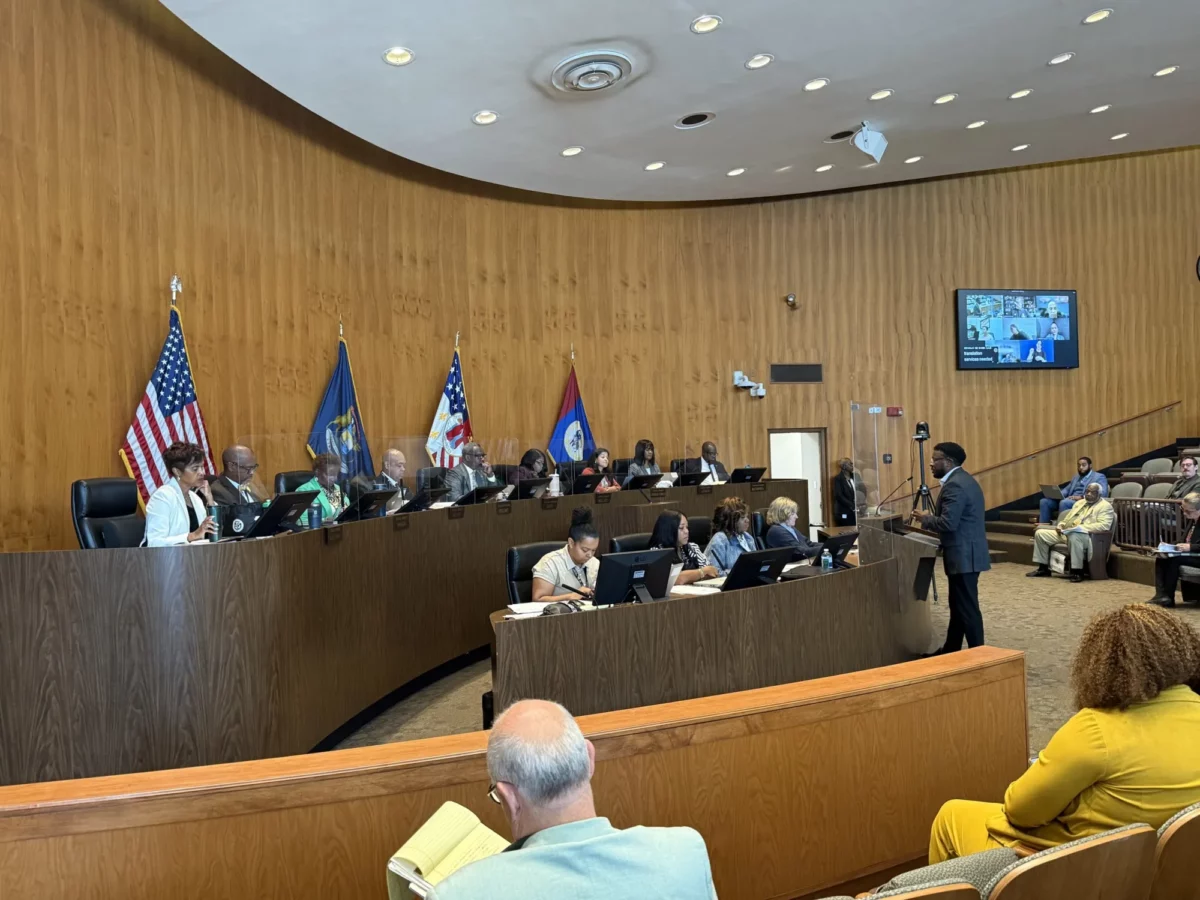
Following tornado damage that left thousands without power, Detroit City Council members are calling for the city to explore alternatives to DTE Energy, citing persistent outages, rising costs, and aging infrastructure that struggles with severe weather.

Downriver residents call for Wyandotte to switch drinking water source due to pollution near Detroit River intake
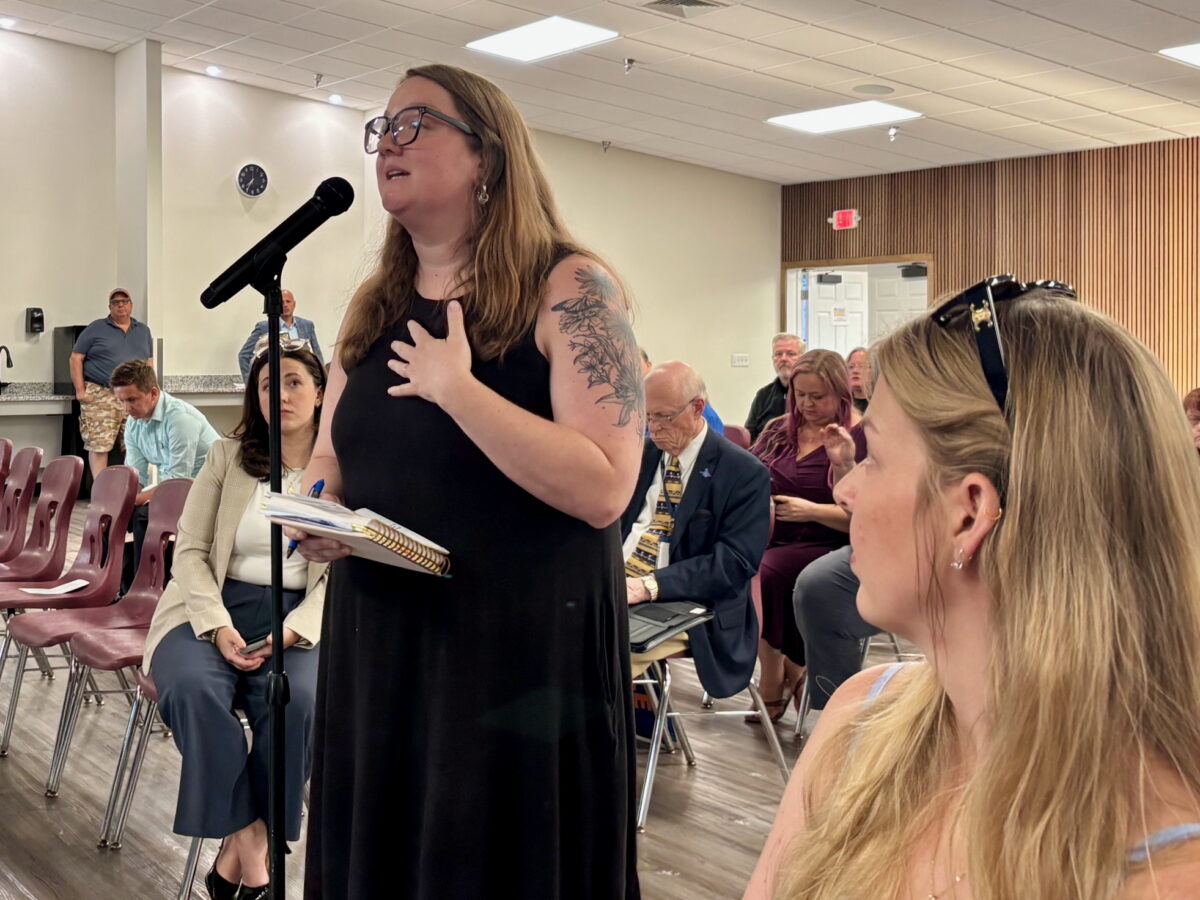
Environmental advocates are calling for Wyandotte to switch from its Detroit River intake to the Great Lakes Water Authority system due to contaminated groundwater that flows from a nearby BASF facility. State regulators and the city say the water quality meets standards.