

Overview:
- Eboni Williams spent years doing homeless outreach and case management in Detroit before joining Michigan's housing department, where she now manages grants for emergency shelter and transitional housing
- Williams' career path — from AmeriCorps to Peace Corps to civic journalism with Outlier Media — reflects her belief that environmental issues, public health, homelessness, and transit are interconnected
- Drawing on her family's experience with homelessness, Williams advocates for genuine affordability in Detroit and urges residents to bridge generational divides to create change
Planet Detroit’s neighborhood reporters are local residents who cover health, environment and climate issues in their neighborhoods. The Lab is made possible with the generous support of the Kresge Foundation.
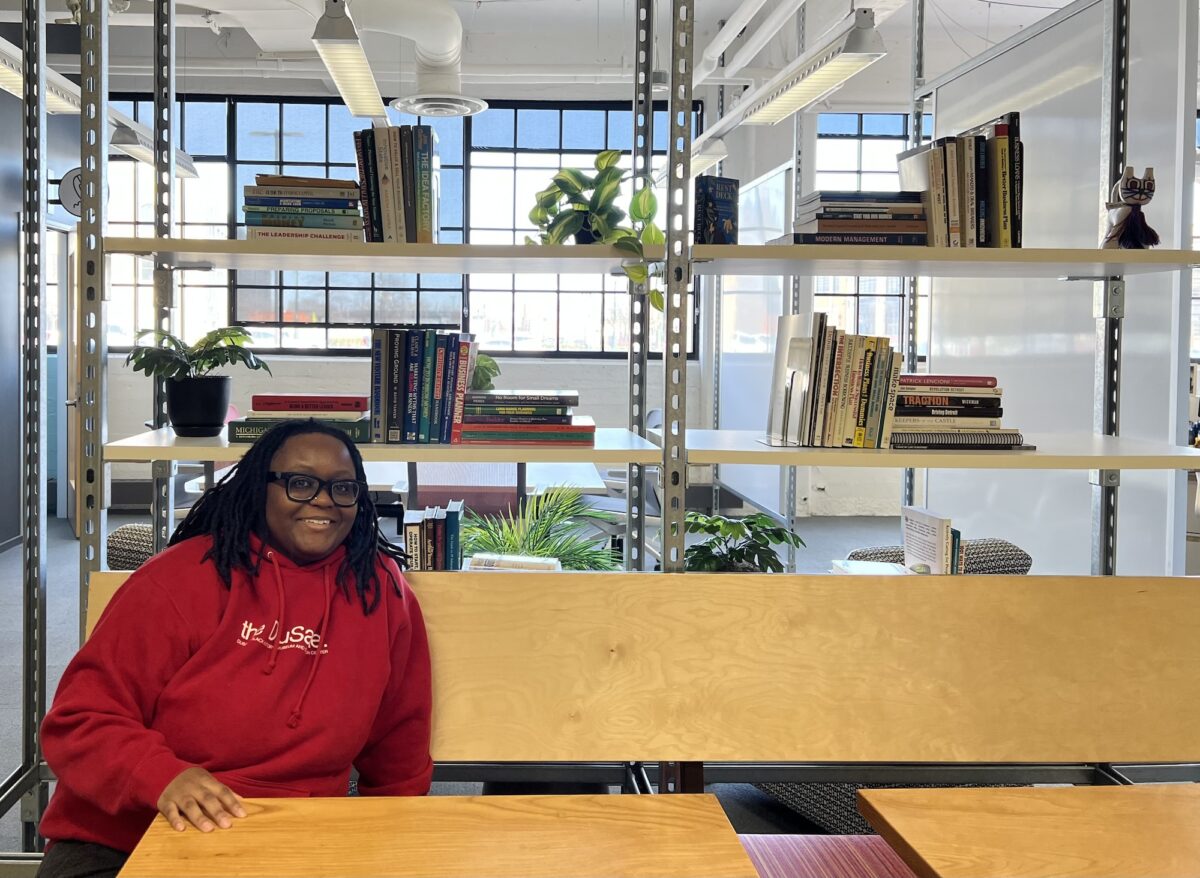
In a moment when Detroit’s challenges around housing, affordability, and civic engagement feel more urgent than ever, Detroiter Eboni Williams has quietly built a career rooted in service: from homeless outreach in shelters to street medicine teams to state government.
What began as an AmeriCorps placement has evolved into a deep commitment to storytelling, community accountability, and ensuring Detroiters have the resources and dignity they deserve.
What’s your background?
I did my undergrad in political science and peace and conflict studies. I graduated in 2020, during the pandemic. I had no idea what to do with a political science degree after that. I came across an AmeriCorps posting for a position working with Detroit’s homeless community. I started outreach work in shelters, serving individuals and families in Detroit, Highland Park, and Hamtramck.
I was with AmeriCorps for a year, and after that, I stayed on full-time as a case manager with homeless youth ages 8 to 24. For the next three years, I worked with individuals and families in Detroit. I learned a lot about street work and partnered with street medicine teams, collaborating with doctors, medical students, and nurses to provide medical care and harm reduction to unsheltered folks.
After those three years, I was like, ” What can I do next? So I applied for the Peace Corps. I worked in the Philippines at a university in Baguio. It was a big culture shock. Fun and interesting to learn about another culture. I learned a little bit of Tagalog. I did a lot of karaoke. I stepped out of my comfort zone as an American in another country and environment.
I’m very appreciative of what I have here in the U.S. After I came back, I spent some time in workforce development, helping folks in Detroit looking for employment. Then I came across Outlier Media and got involved as a Documenter.
I got interested from going to meetings, like school board and transit meetings, just hearing what other Detroiters were saying. The school board was interesting because ICE had detained a student. There were protests, and the board members tried to address them amid public outrage. It was just interesting getting that firsthand knowledge.
I really fell in love with taking notes and getting involved in my community, and I still do. That’s how I came across this opportunity with Planet Detroit. I was always interested in storytelling, providing information to folks in a real way, something that I would want to know about. Currently, I’m working at the State of Michigan’s housing department, managing various grants for emergency shelter and transitional housing.
What would you say is going well in the work you’re involved in?
Having firsthand knowledge from attending various meetings to understand local government helps me in my role in state government. Reporting on various budget meetings in the city of Detroit and understanding how they link to funding within the state of Michigan has been helpful. It’s been interesting going from nonprofit work to government. It’s always going to be slow. There are so many moving parts and so many departments you have to go through just to get a grant executed, so many different approvals.
How did you get interested in this work?
I always saw myself as a lifelong learner. I have so many different interests, and everything is connected. Environmental issues are connected to public health, homelessness, and public transit. I’ve always been interested in how everything is connected and how you can make those connections through writing and storytelling.
What’s one change you’d like to see where you live?
Affordability. That’s the main one. Affordability when it comes to rent and simple things like groceries.
If you had unlimited resources, what’s one project or initiative you’d launch?
Addressing homelessness. That’s a big passion of mine. Actually turning a lot of abandoned homes and abandoned buildings into affordable, genuinely affordable places to live.
What does genuine affordability look like to you?
You don’t need two or three jobs just to cover the basics, like rent. You don’t need multiple income streams laid out to afford the basics.
Is there a moment from your childhood that connects to the work you’re doing now?
Yeah, I think everything has gone really full circle for me. My family and I were homeless for a period of time. I remember the caseworker we worked with and the nonprofit that did that work. Now I’m advocating to address homelessness and working with the state on the funding side. Experiencing homelessness, then working on the frontline, working abroad, and now working at the state level. It makes the job more meaningful.
Who inspires you?
My mom. She is the strongest person. But she doesn’t even need to be. That’s just in her DNA. She’s from Detroit; she represents Generation X. She lets everyone know she’s Gen X. She’s very skeptical of institutions and government, but she definitely wants change and is open to it. She’s very independent and tries to help people without expecting anything in return. I draw from her a lot. She’s just more extroverted than I am.
What’s one simple thing people in Detroit can do today to make a difference?
Bridging the gap with multiple generations. We operate in our silos, younger and older people. But if we unite across generations, that would be very helpful in the city.
NEIGHBORHOOD REPORTING LAB STORIES
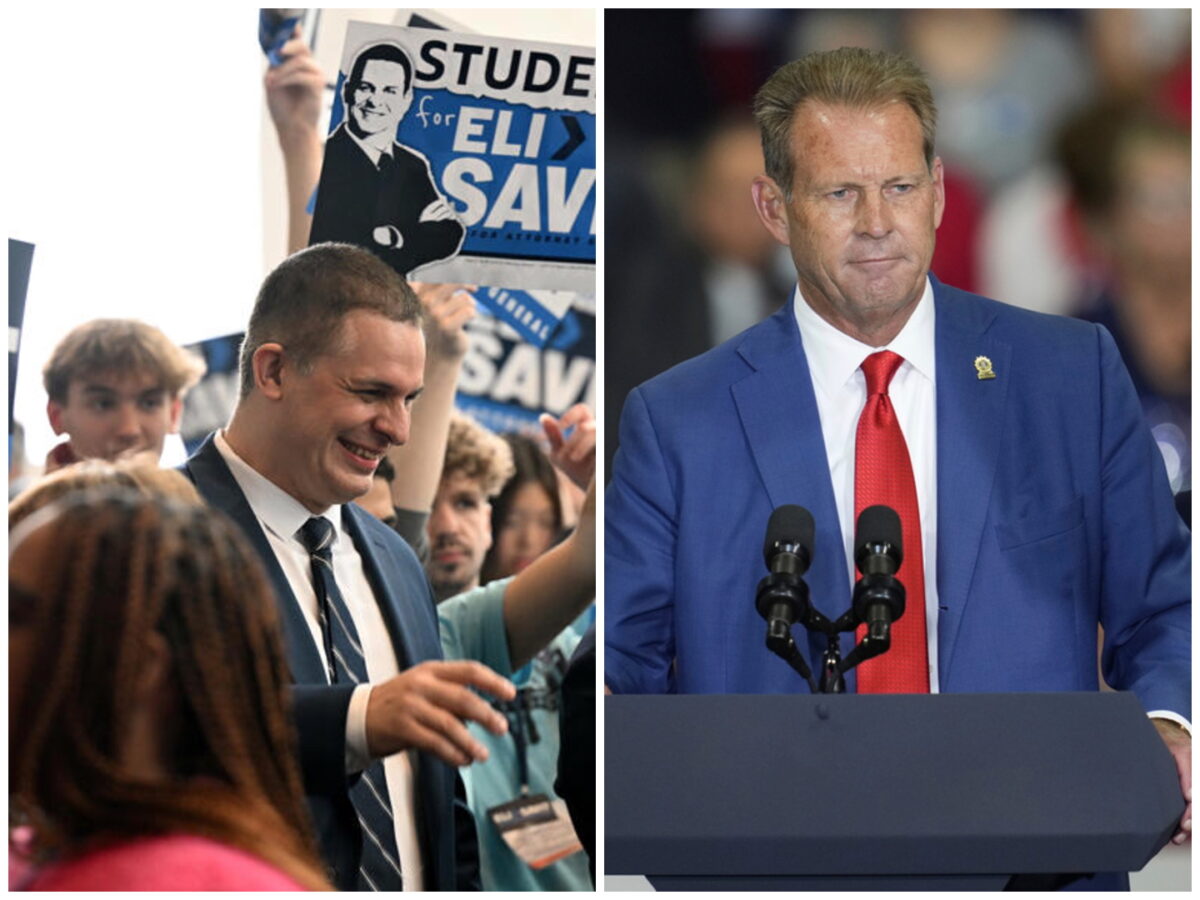
How Michigan attorney general race could reshape utility regulation, ratepayer protection
Michigan’s next attorney general will decide whether to continue Dana Nessel’s work challenging utilities over rate hikes and environmental issues.

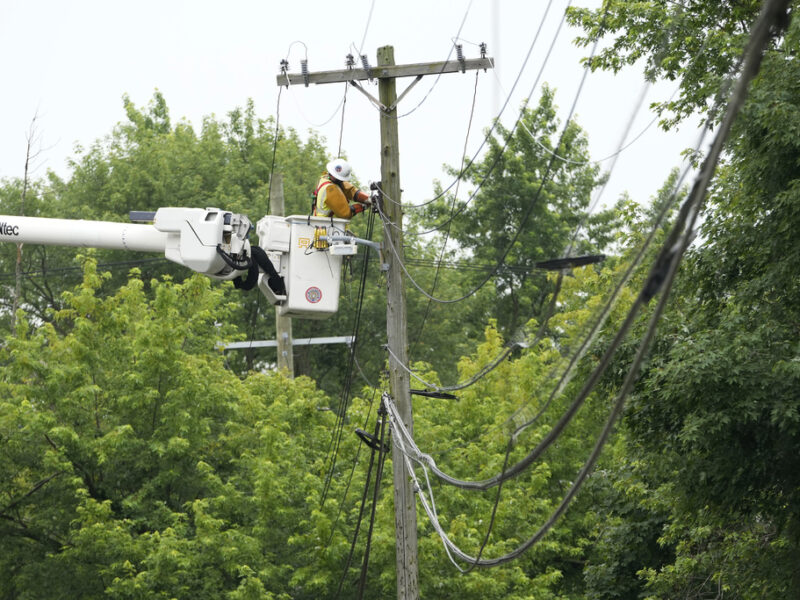
Michigan environmental news: 105,000 without power after overnight storms, more severe weather expected
Overnight storms left over 105,000 Michigan residents without power, with more severe weather expected Thursday. Plus: fall vaccines arrive, Sterling Heights unveils green infrastructure project, and Lincoln Park raises water rates.

CatchLight selects Planet Detroit for grant to report on climate anxiety among Detroit youth
Planet Detroit receives a national grant to report on how climate change and pollution affect the mental health of young Detroiters through Climate Cafés, photography workshops, and youth-led storytelling.