


Overview:
- Detroit's community gardens emerged informally during the foreclosure crisis, when neighbors transformed vacant lots without knowing formal regulations
- The 2013 urban agriculture ordinance recognized farming as legitimate land use, but compliance requirements remain difficult and costly for grassroots growers
- The author proposes dedicated funding for compliance costs and a grace period for existing farms to meet standards without punitive enforcement
Rooted in Detroit: Stories from the Soil is a Planet Detroit farmer profile series exploring Detroit’s local urban farming community. Local journalists, farming leaders, and Planet Detroit Neighborhood Reporting Lab Fellows and participants write the farmer profiles, supported by the Kresge Foundation and the Sustainability Institute of Detroit. See the full series here.
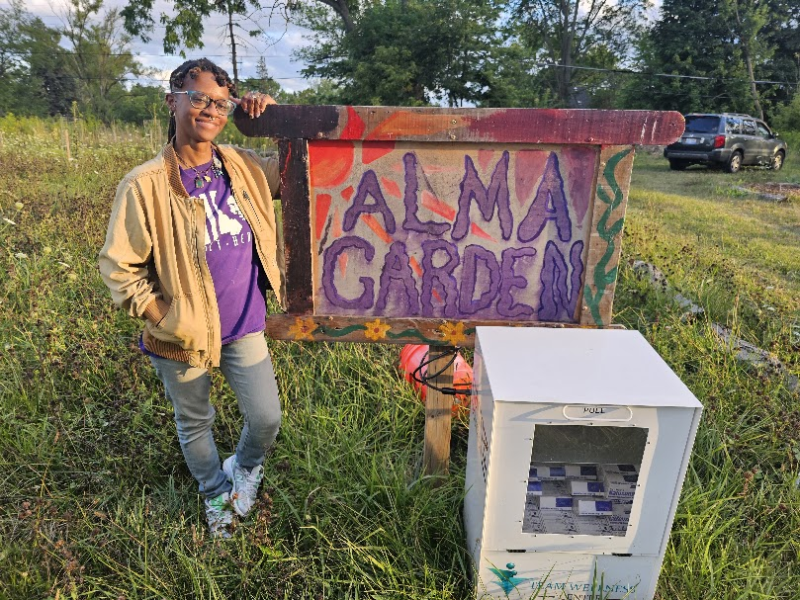
I started my first community garden nearly 20 years ago on Detroit’s Lower East Side, on a block where my family lived before, during, and after Detroit’s foreclosure crisis.
We literally watched as home after home was foreclosed on and left empty for squatters and metal scrappers to devour. Windows were broken out. Pieces of homes littered the sidewalks. Doors were sometimes left wide open. Grass grew waist-high.
I was raising my children there. At one point, I could stand on my porch and see more than 20 overgrown vacant lots.
This was before Detroit’s bankruptcy, when the city was already severely cash-strapped and neighborhood services had visibly dwindled. Grass might be cut a few times in the summer. My family boarded up empty houses around us. We spent weekends mowing vacant lots. When my children and I walked to the park, we brought plastic bags and gloves and picked up litter along the way.
And I started a community garden.
I wasn’t thinking, Let me establish an urban agricultural land use. First, I’ll consult the zoning ordinance and determine the applicable intensity classification.
I saw messed-up land across from where I was raising my children, and I did something about it. I didn’t think much about owning the land. I didn’t think ownership was even possible. My goal was to clean it up and maybe feed some people in the process.
I certainly didn’t know that developing a garden was not yet a recognized legal land use in Detroit before the urban agriculture ordinance was adopted in 2013. Even after the ordinance passed, I didn’t know all the regulations, setbacks, standards and permitting requirements that came with it.
I didn’t know anyone at the City, and they didn’t know me. I was just a neighbor cleaning up my block. And many people were just like me.
At the time, my 9-to-5 was at a local nonprofit, where I helped residents start gardens through the Garden Resource Program. I met incredible community leaders across Detroit doing the same thing in their neighborhoods. They grew food, created gathering spaces, beautified blocks, engaged young people and carried forward cultural traditions. They cared for land, but more importantly, they cared for people.
As Detroit began to stabilize, the relationship between growers and land began to change. The 2013 urban agriculture ordinance formally recognized agriculture as a legitimate land use.
Through my later work at Keep Growing Detroit and as a co-founder of the Detroit Black Farmer Land Fund, I helped growers understand City requirements and pursue ownership. Many farms and gardens had developed during an era of informality and still lacked permits or had structures and practices that did not meet City requirements.
The informality that allowed Detroit’s urban agriculture movement to flourish eventually threatened its permanence.
Over years of advocating for growers, I also came to better understand why some regulations exist. Farms and gardens are part of neighborhoods, and reasonable standards can protect
growers, their neighbors and the larger community. Safe structures and property maintenance are important. Growers have a responsibility to understand and follow reasonable standards.
But government has a responsibility, too: those standards must be understandable, navigable, and achievable.
We still have work to do on both fronts.
Some requirements are difficult to understand. Processes can cross multiple departments. Growers may not know where to start. Permits and necessary corrections can cost money. Some growers also worry that simply asking for help could expose them to enforcement.
We have seen several highly visible conflicts between Detroit growers and City government over tickets and compliance. Some cases have even gone viral. A ticket issued to someone who has spent time and money improving a neighborhood can understandably feel like punishment for doing something good.
Behind those conflicts, however, the circumstances are often more complicated: unclear requirements, costly corrections, legitimate health or safety concerns, or disagreements with City policy.
Detroit should not have to renegotiate its relationship with urban agriculture one citation at a time, especially because these spaces provide a public good.
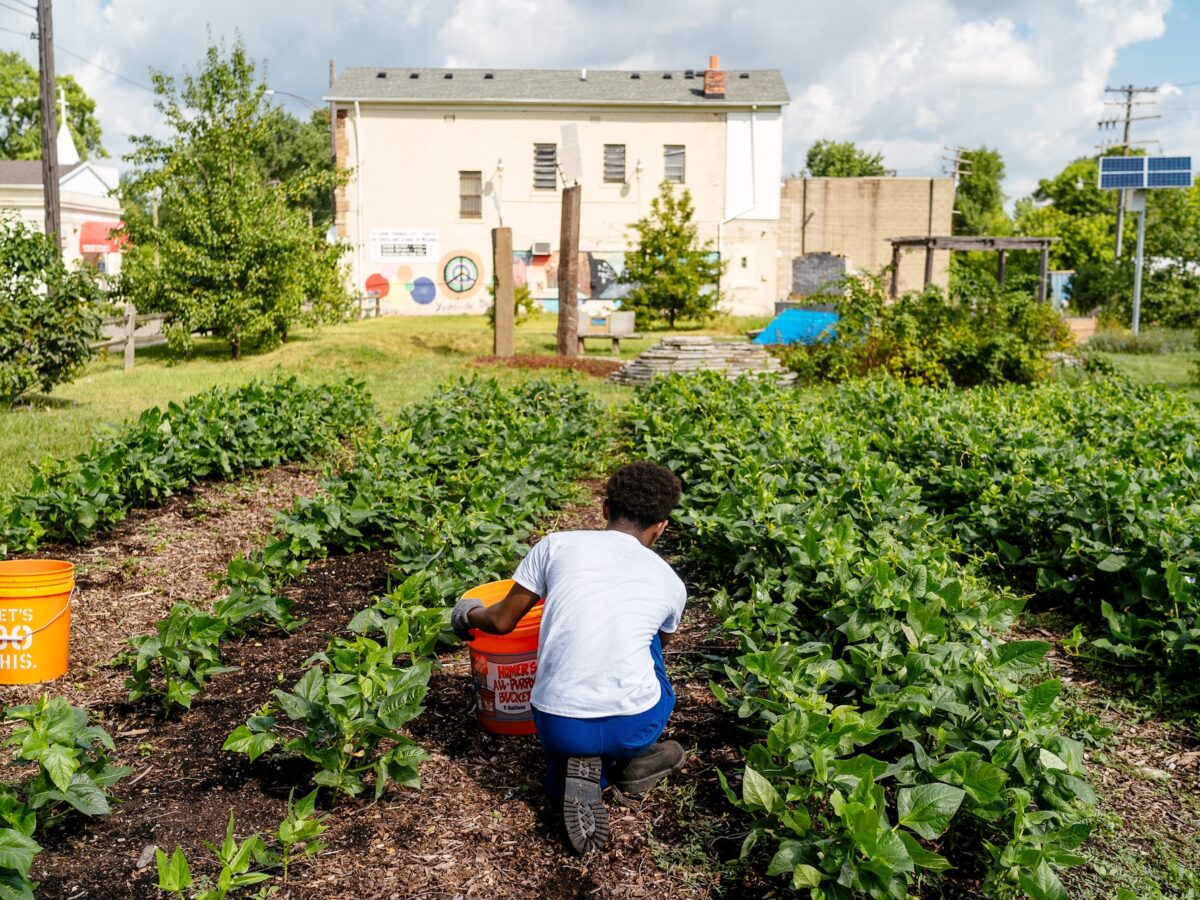
From a sustainability perspective, farms and gardens can support healthier soils and pollinators, absorb stormwater, cool neighborhoods, and strengthen our local food system. They feed people, engage young people and create beautiful, productive community spaces on once-neglected land.
They also support climate resilience. Recent extreme weather and disruptions have reminded us why communities need the capacity to meet basic needs when larger systems are stressed.
Local food production, neighborhood relationships, and trusted community spaces are all part of that capacity. Many Detroit farms and gardens were functioning as neighborhood resilience assets long before we started using the word “resilience.”
So how do we help these community assets come into full compliance without losing them in the process?
Detroit has come a long way in building support for urban agriculture within City government. I know because helping growers navigate these systems is part of my work in the city’s Office of Sustainability. But gaps remain.
I believe Detroit needs two things.
First, we need a dedicated funding source to help existing growers address financial barriers to compliance. If a community farm needs a permit, professional assistance, or a costly correction to meet a legitimate City requirement, there should be resources available to help established community spaces make that transition.
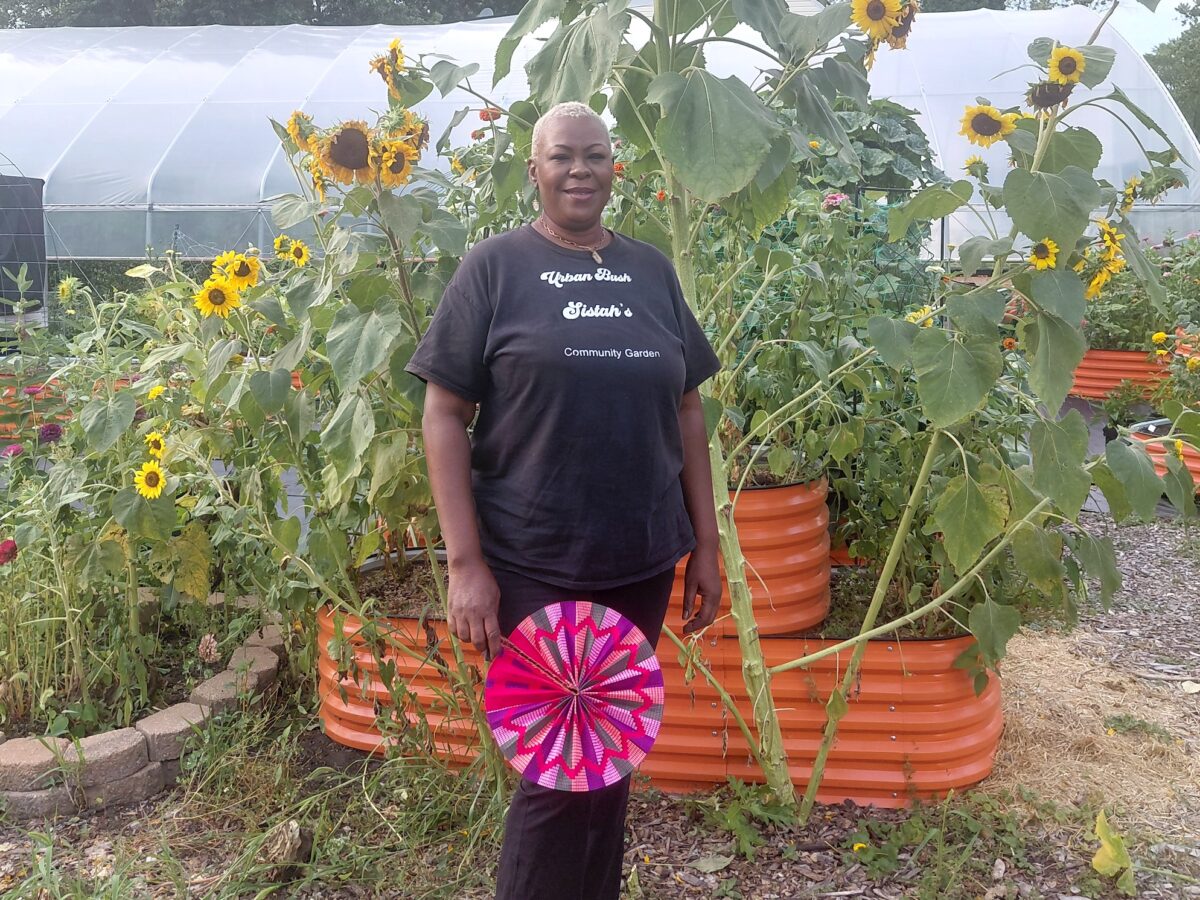
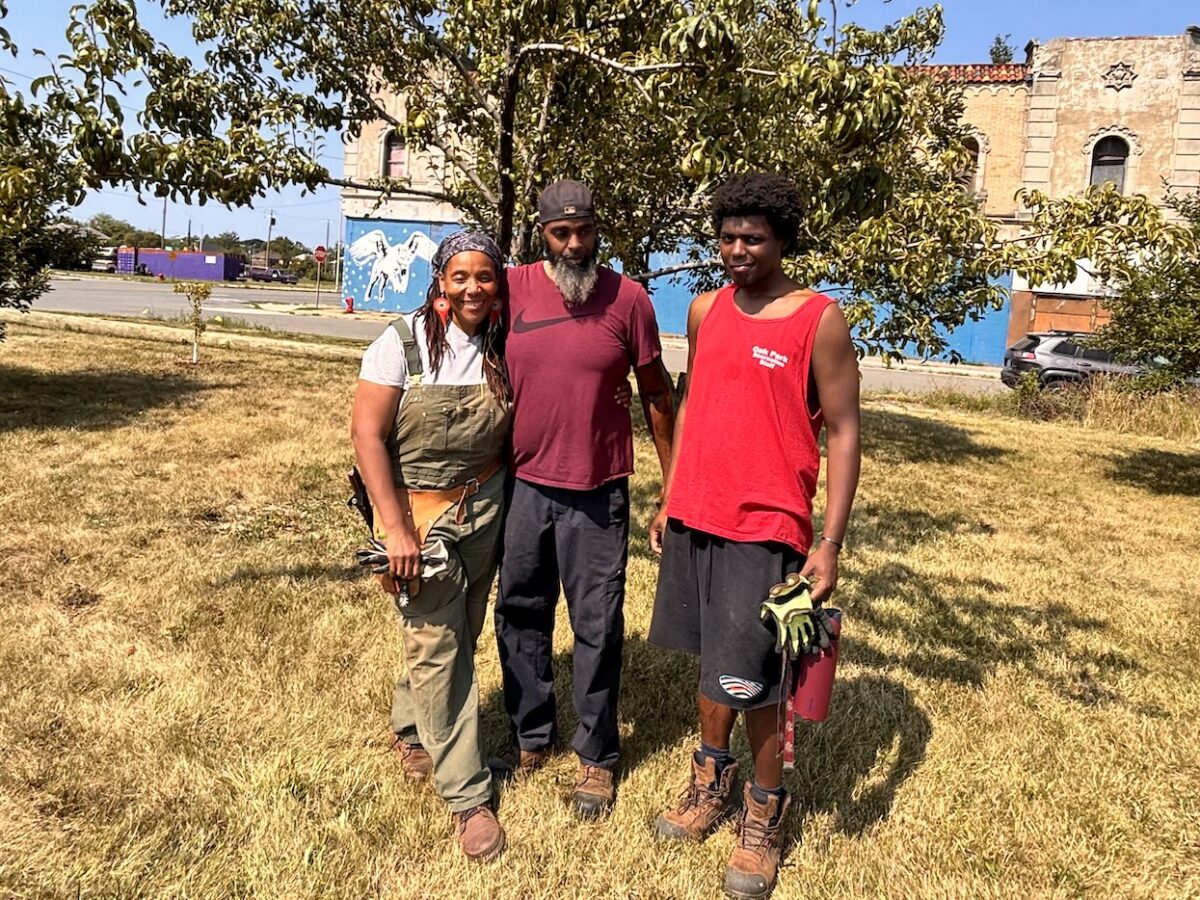
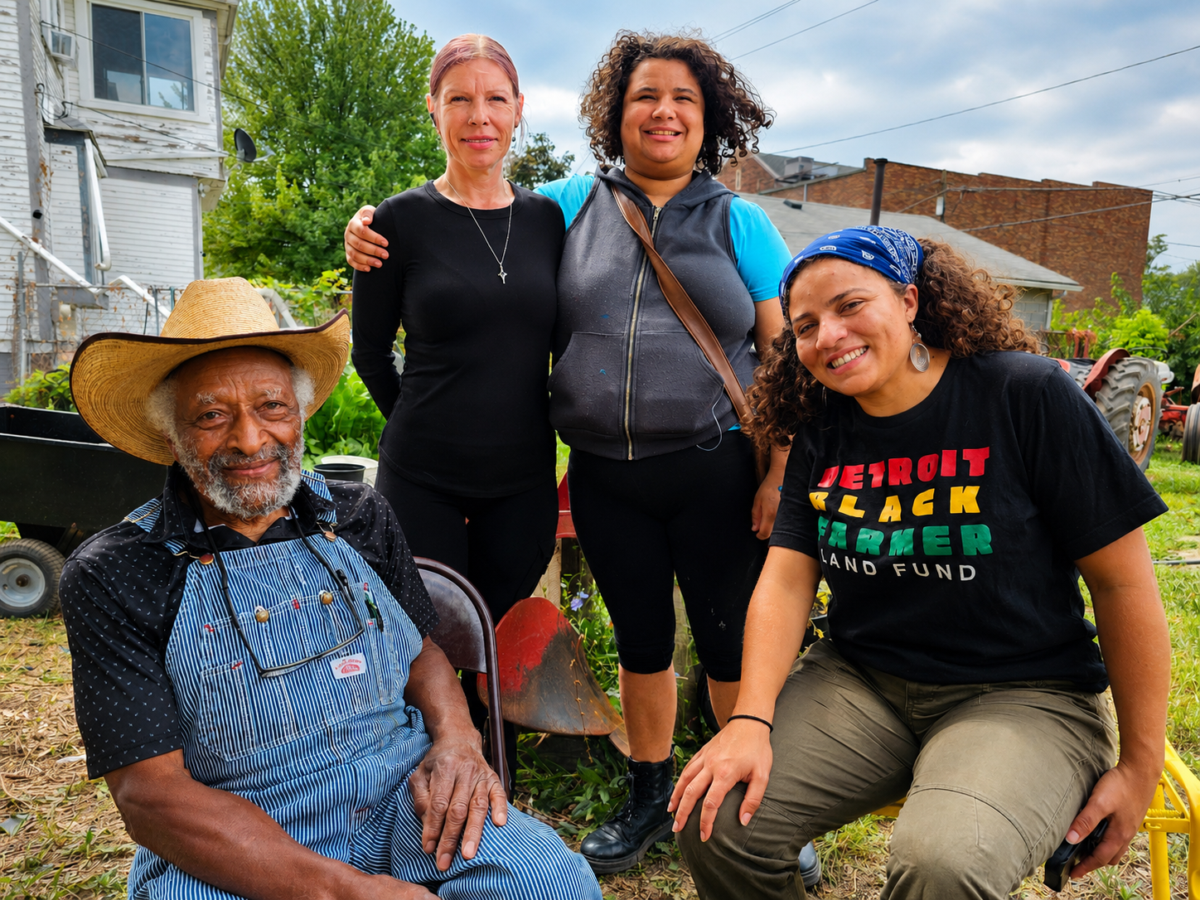
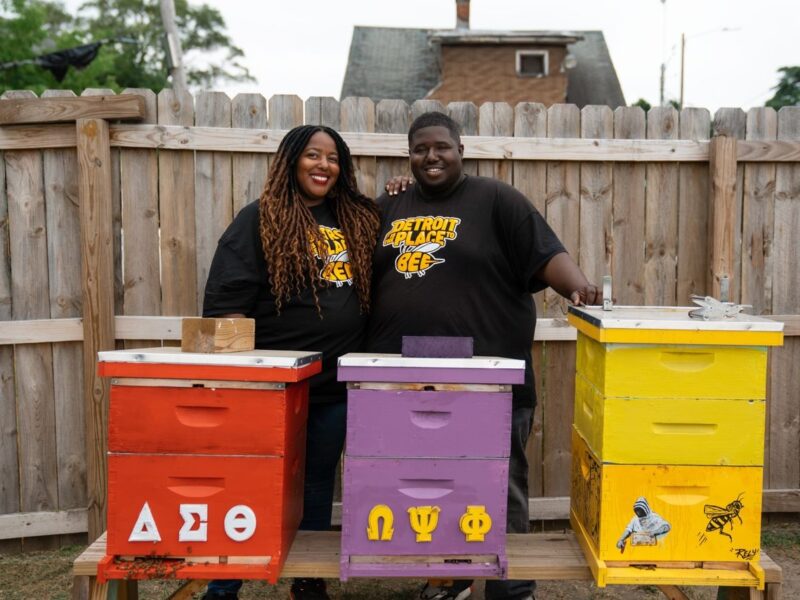
Other stories in our ‘Rooted in Detroit’ series





Second, once that support exists, we should consider a defined grace period that allows existing growers to learn the requirements, identify problems, file the necessary paperwork, and develop corrective plans without fear of punitive enforcement, as long as they are actively making progress toward compliance and there is no immediate threat to health or safety.
This is not an argument that farms should be exempt from reasonable rules. It is an argument for creating a pathway that helps them follow those rules.
Detroit’s growers cared for land and people during a period when that stewardship was deeply needed. The next chapter should focus on helping these spaces move from informality to permanence, with clear expectations, shared responsibility, and the support needed to get there.