

Overview:
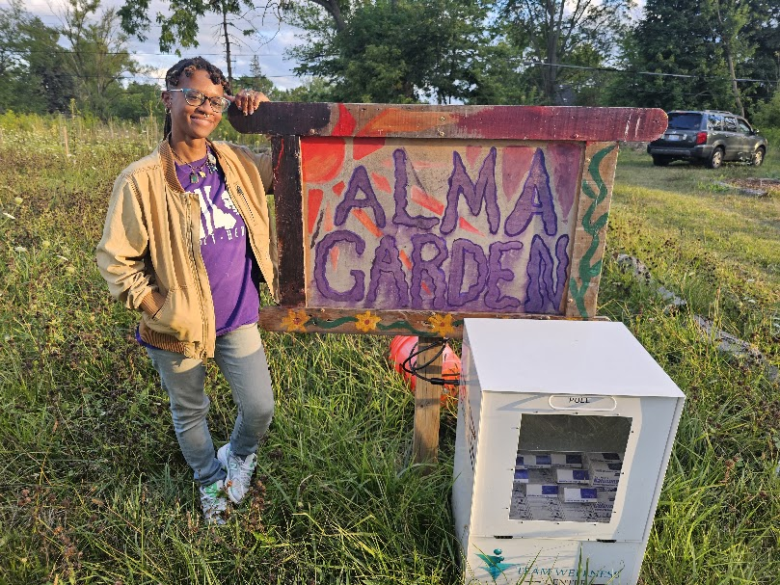
- Rukiya Colvin purchased a trash-strewn lot on Detroit's east side in 2024 and transformed it into Alma Garden, a community resource offering fresh food, educational programs, and overdose prevention supplies
- The garden features in-ground planting beds, a 24/7 outdoor book library, a free food pantry, rainwater collection infrastructure, and a naloxone dispenser addressing Detroit's overdose crisis
- Neighborhood volunteers like Paula Copeland are joining Colvin's efforts, helping maintain the space and connect residents with resources while building community pride
Rooted in Detroit: Stories from the Soil is a Planet Detroit farmer profile series exploring Detroit’s local urban farming community. Local journalists, farming leaders, and Planet Detroit Neighborhood Reporting Lab Fellows and participants write the farmer profiles, supported by the Kresge Foundation and the Sustainability Institute of Detroit. See the full series here.
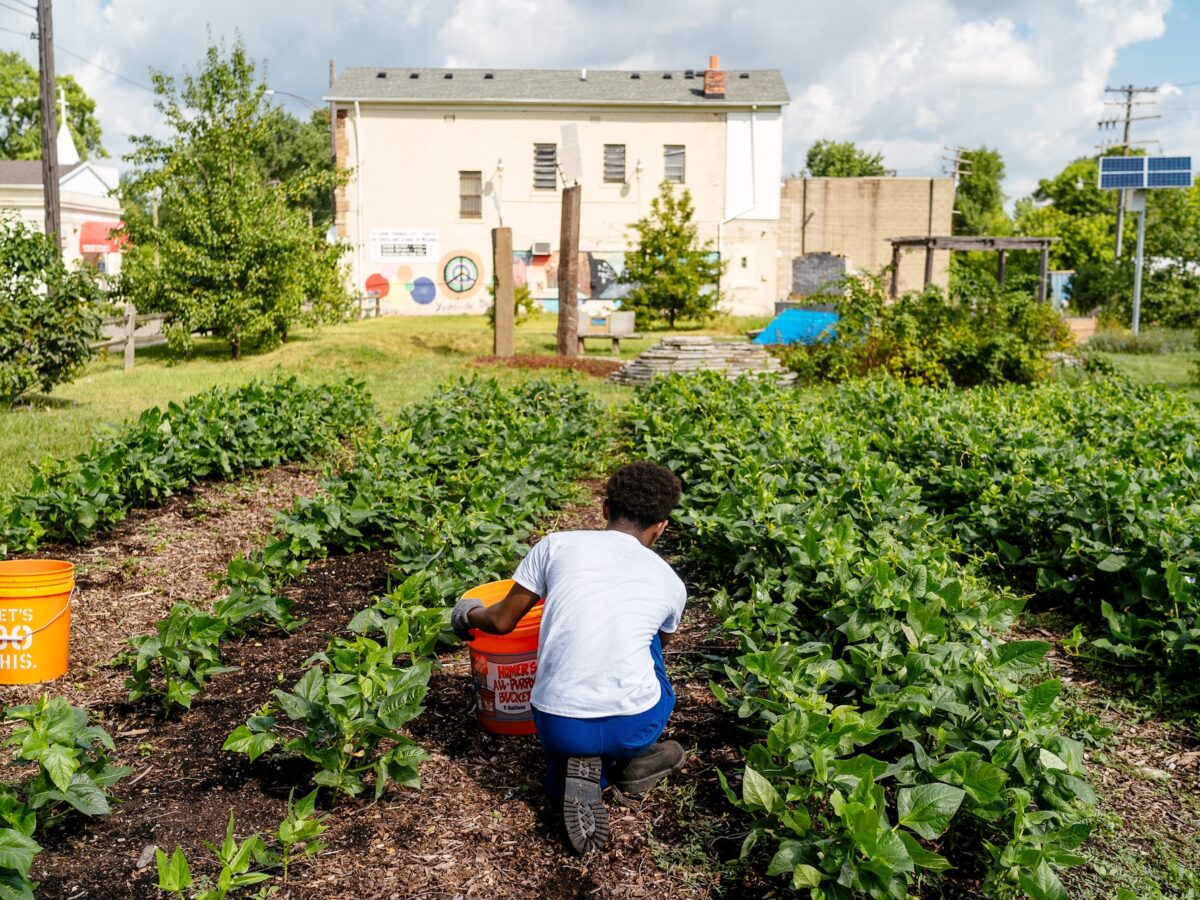
On Detroit’s east side, discarded tires once lay scattered among piles of trash and debris on an overgrown, neglected plot of land. Today,rows of green plants now stretch toward the sunlight, hosting a landscape of fresh vegetables, flourishing garden beds and renewed possibility.
Known as Alma Garden, the space offers more than a place to plant seeds and harvest vegetables. It serves as a neighborhood resource where residents can access fresh food, share knowledge, build meaningful relationships and strengthen their community.
At the center of this transformation is Rukiya Colvin. Just down the street from her childhood home, Rukiya purchased the trash-strewn property in 2024 with a determination to turn an overlooked piece of land into a source of fresh food, education and opportunity for residents on Detroit’s east side
Colvin began thinking about the project in 2019.
“I slowly began working toward that vision whenever I had the opportunity to do so, they said. “I wanted to build a community garden where people could learn, connect, and access resources.”
Starting small
“Even though I had a big vision for the space for years, I knew it was important to start small,” Rukiya said. Colvin was doing most of the work herself, with occasional help from others.
“During the first year, we started with just two in-ground garden beds and gradually began building toward something bigger,” they said.
For Colvin, transforming a vacant plot of land x into a thriving community space has always been about more than growing fresh food.
The vision extends beyond the garden beds to creating a welcoming environment where residents can access educational resources, develop new skills, build relationships and take an active role in strengthening their neighborhood.
By 2025, Colvin had expanded beyond its original two planting beds, adding infrastructure and gathering spaces designed to bring more people together.
“We added more infrastructure, including a bench and an outdoor book library,” Rukiya said.
For the garden’s April season opener, Colvin enlisted a DJ and set up a carpentry station
Open 24 hours a day, seven days a week, a community book exchange encourages residents to discover new stories, share reading materials and make learning part of everyday life.
It’s constantly emptied and replenished, Colvin said.
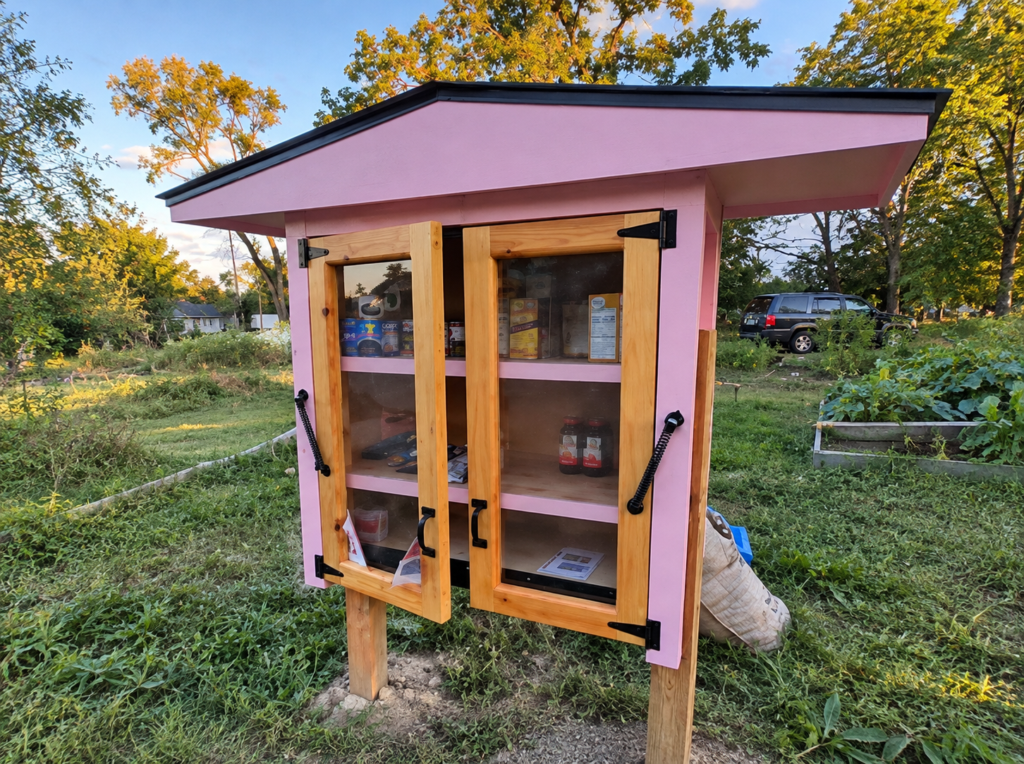
Research highlighted by Little Free Library shows that among 768 children surveyed, 92% reported greater access to books, 88% had more books at home and 49% reported reading more frequently after using neighborhood book-sharing boxes.
For Colvin, the outdoor library also challenges perceptions of vacant land and shows how overlooked spaces can become places of learning, connection, and community empowerment.
“There are so many streets over here with vacant land, and I want to transform the narrative that this is just what these neighborhoods are left to become,” they said. “I combat that by creating a space that says otherwise.”
A resource hub for community health
The garden has become a neighborhood resource hub, bringing together fresh produce, a free outdoor food pantry, rainwater collection infrastructure and even potentially lifesaving overdose prevention supplies.
By bringing a free naloxone dispenser directly into the neighborhood, Alma Garden is making lifesaving medication more accessible to residents who might otherwise face barriers to obtaining it.
The need for these resources remains urgent. According to researchers from the Detroit Health Department, 14% of reported overdoses in the city during a recent two-year period were fatal.
For Colvin, expanding access to these resources directly addresses the long-standing challenges Detroit neighborhoods have faced for generations.
“I saw that Detroit declined in the ways that it has. I wondered why. I sought the answer,” they said.
Getting kids outdoors is a priority. At the heart of Alma Garden’s family-friendly environment is a lively children’s play area, where laughter, excitement and outdoor adventures bring young visitors together.
Featuring a community-built trampoline, young visitors jump, play and stay active while families spend time together and strengthen neighborhood connections.
“We hope to have more playful elements out here in the future,” Colvin said.
The trampoline encourages physical activity through play, helping children develop balance, coordination and physical strength while creating opportunities to interact with other children and build social skills.
According to the American Heart Association, children ages 6 to 17 should participate in at least 60 minutes of moderate-to-vigorous physical activity daily. Outdoor activities, including active play, can help children work toward that recommendation while supporting cardiovascular health and overall well-being.
Other stories in our ‘Rooted in Detroit’ series

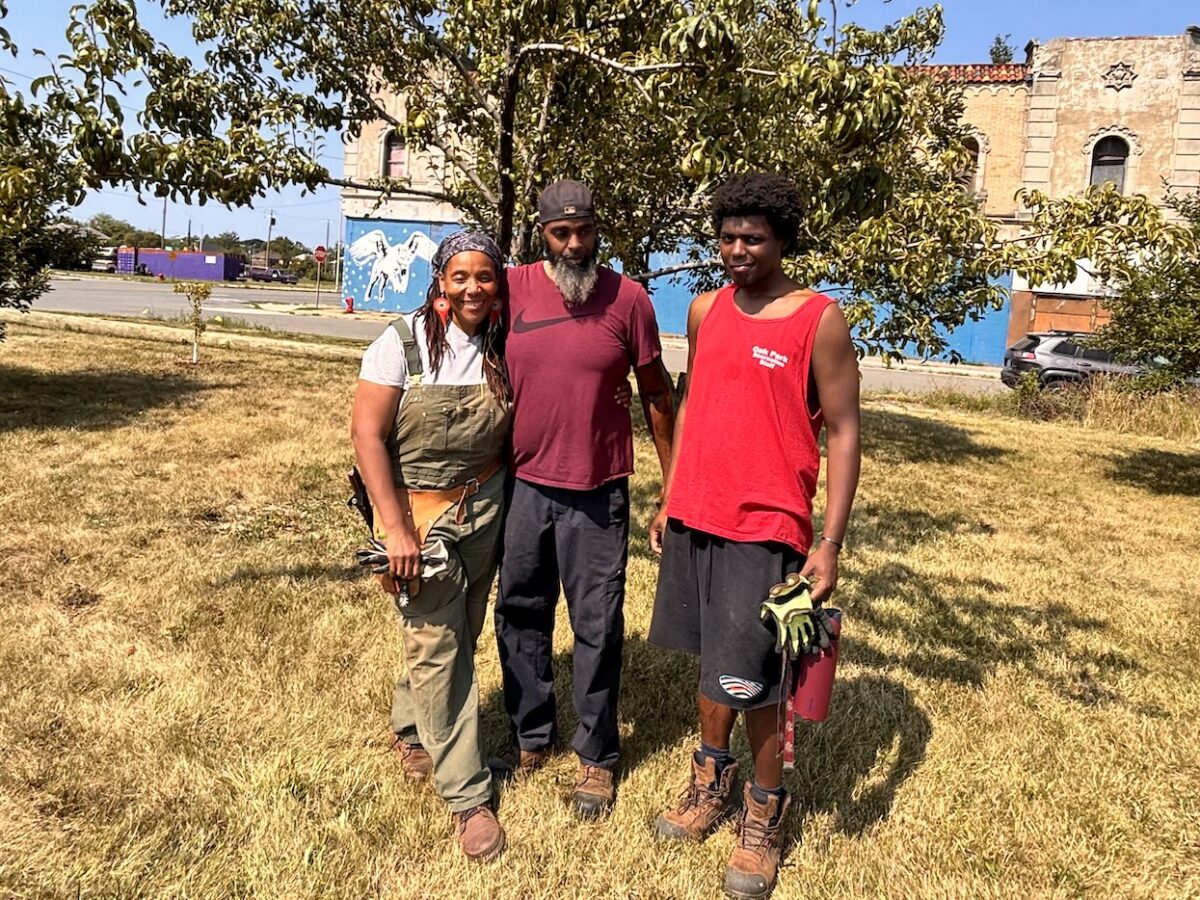





“In the near future, we can add other fun elements like a treehouse, expand the learning area, and create more opportunities to bring our community and neighborhoods together,” Colvin said.
Colvin said her ultimate goal is fighting against systemic racism.
“My way of doing that through Alma Garden is redefining what an institution can look like by creating something that is more community-based rather than punitive or built around a power structure,” they said.
Strength in numbers
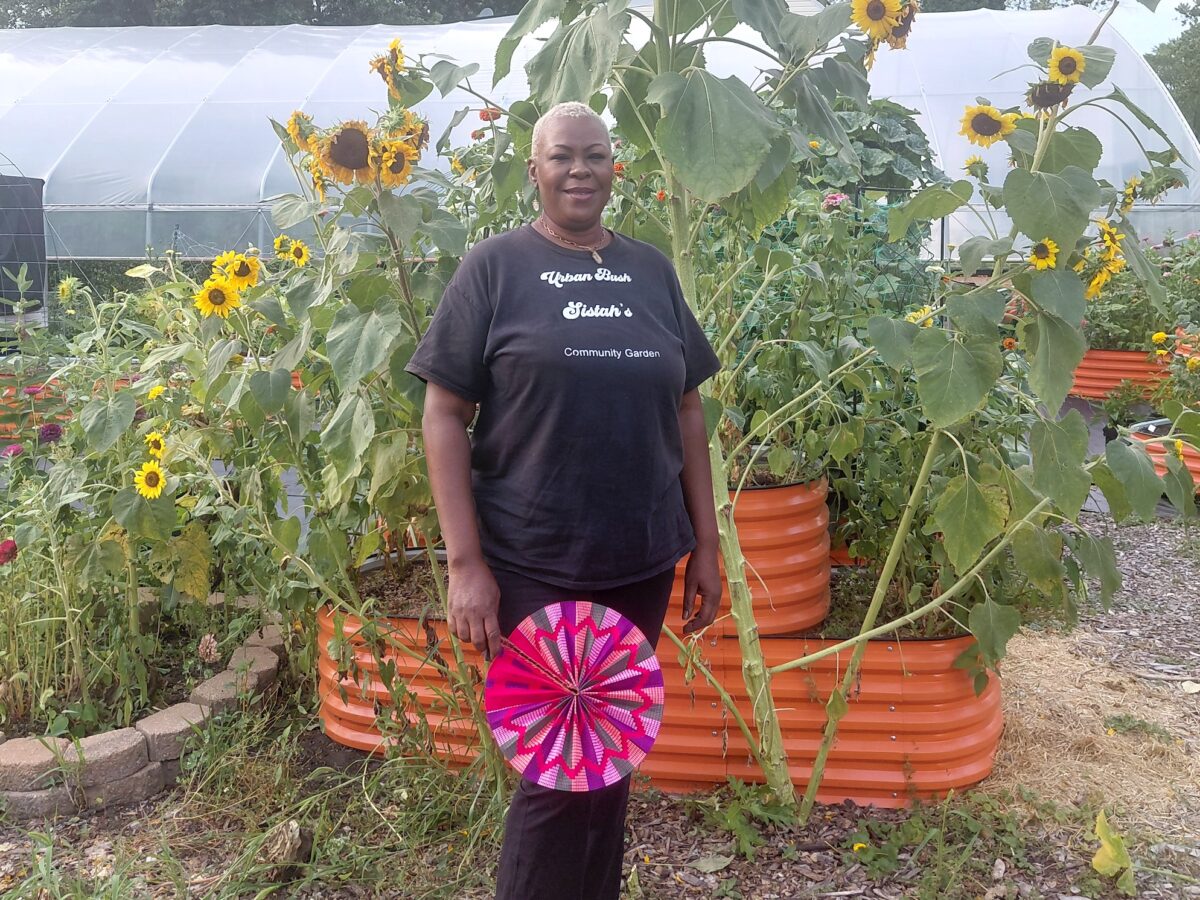
Longtime neighborhood resident Paula Copeland was walking through the neighborhood when she saw Colvin in the garden handing out fresh vegetables and food supplies to neighbors.
“Seeing someone giving back to the community inspired me to get involved and help whenever I could,” she said. “Whether it’s lending a hand in the garden or simply picking up a piece of trash as I walk by, I want to do my part.”
For Copeland, making a difference doesn’t require grand gestures. Picking up litter, helping with garden activities, and spreading awareness of available resources are everyday contributions that keep Alma Garden welcoming and accessible to neighborhood families.
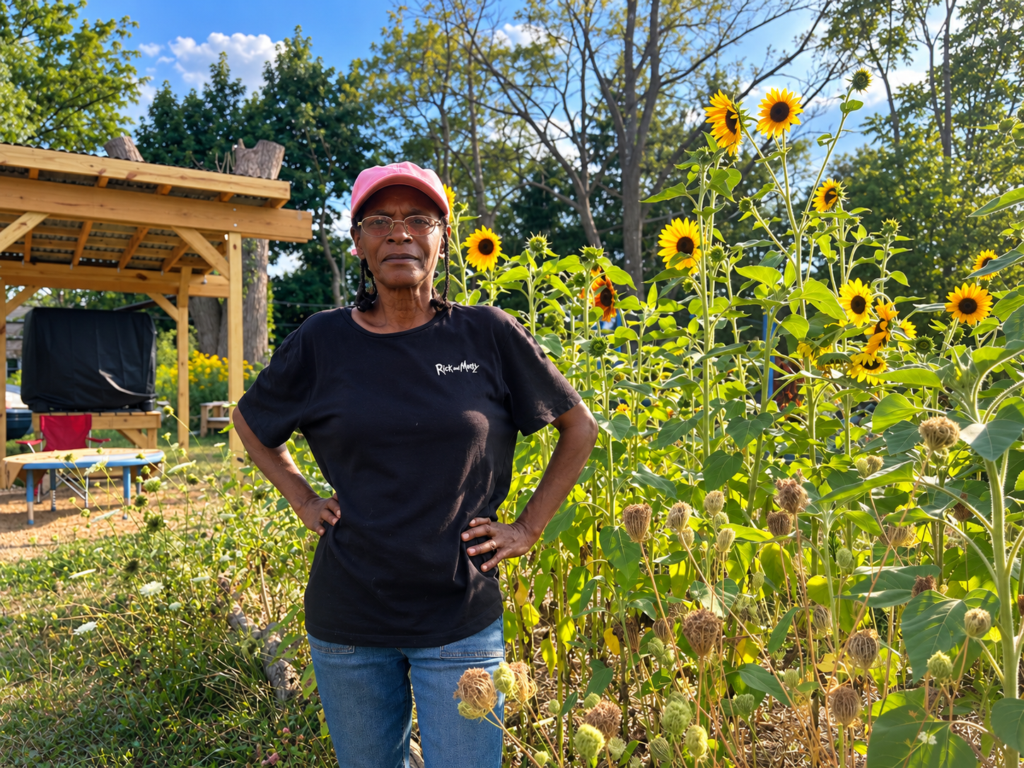
“I tell Rukiya all the time, ‘You’re not alone. Just call me or text me if you need help out here in Alma’s Community Garden,’” Copeland said.
Copeland’s involvement extends beyond maintaining the grounds. She also distributes flyers, helps with community events, and connects residents with resources, strengthening the relationship between Alma Garden and the surrounding neighborhood.
“It’s important that people know what Alma Garden has to offer and how they can benefit from it,” she said. “Now, more people in the community are getting involved, volunteering their time and showing their support. It’s encouraging to see neighbors coming together to help make a difference.”
For Colvin, the most rewarding part of the project is connecting with neighbors
“When I’m knocking on doors, and someone says, ‘Oh, you’re the one around the corner with that space,’ and I say, ‘Yeah, that’s me,’ they get this big smile on their face. Even if they don’t immediately come over to help, just knowing that it feels good to them to see something like this in their neighborhood means a lot.”
Those encounters are reminders that the garden’s impact extends beyond the people who actively participate. Simply seeing a neglected space transformed into something positive can inspire hope and renewed pride in the neighborhood.
“I created this for my neighbors. This garden is really an homage and a love letter to the neighborhood I grew up in—a neighborhood that, for whatever reason, has felt abandoned by larger systems,” Colvin said.
“It is wonderful when people in the community say, ‘What are you doing out here in this garden? Let me help!’”