

Overview:
- DTE Energy announces it will sell its non-utility DTE Vantage business, with the deal expected to close in the first half of 2027 and raise $3 billion for utility infrastructure.
- The utility plans to invest $44 billion over five years, including 7.6 GW of new wind and solar, 2.1 GW of natural gas, and 2.7 GW of energy storage.
- CEO Joi Harris says data centers will help spread costs and delay rate hike requests, while Attorney General Dana Nessel argues approved contracts risk shifting costs to other customers.
DTE Energy announced Thursday that it’s selling its non-utility DTE Vantage business to help fund infrastructure investments needed to strengthen the grid, build renewables, and accommodate data centers.
🗳️ Civic Action Toolbox
Why it matters
DTE's infrastructure spending and data center contracts could shape the future of Michigan customers' electric bills.
Who's making public decisions
The Michigan Public Service Commission decides on DTE's rate hike request and data center contracts, including Nessel's rehearing petition, while the Michigan Legislature could take up multiyear rate plan legislation. The Sixth Circuit Court of Appeals will decide on the EES Coke Battery lawsuit.
Upcoming Meetings
Civic Actions: What You Can Do
- ✓Attend the MPSC 'Affordability in Focus' community workshop in Detroit →
The Michigan Public Service Commission is holding a community workshop, "Affordability in Focus," in Detroit at 6 p.m. Nov. 17. - ✓Follow the Attorney General's challenge to the Google data center contracts →
Attorney General Dana Nessel's office is challenging the MPSC's approval of DTE's Google data center contracts, and readers can follow the office's public announcements and filings through its website. - ✓Write a letter to the editor →
Share your perspective with your community. - ✓Register to vote or check your registration →
Make sure your voice counts in the next election.
What to watch for next
Watch for the MPSC's decision on Attorney General Dana Nessel's rehearing petition on the Google data center contracts, and its ruling on DTE's $474.3 million electric rate hike request. Multiyear ratemaking legislation could be introduced in the next session of the Michigan Legislature. DTE's appeal of the $100 million fine against EES Coke Battery will be heard Dec. 17.
Are you taking action? Let us know.
Powered by Civic Action Toolbox
DTE expects to finalize an agreement for an additional 2 gigawatt, hyperscale data center by the end of the year, and the utility has 5-6 GW of total data center capacity in its pipeline, President and CEO Joi Harris said during a Thursday earnings call.
One gigawatt is roughly the amount of power used by 800,000 homes.
Data center growth is providing a “once-in-a-generation” investment opportunity for the company, Harris said.
The utility plans to invest $44 billion over the next five years to improve reliability, transition to cleaner energy, and meet new data center demand growth, she said.
DTE’s five-year plan includes building 7.6 GW of new solar and wind generation, 2.1 GW of natural gas generation, and 2.7 GW of energy storage.
The utility reported $481 million in third-quarter operating earnings. Annual earnings per share growth is expected to increase from 6%-8% this year to more than 9% in 2028, Harris said.
DTE’s data center contracts
Critics of DTE’s contracts for Oracle and OpenAI’s data center in Saline Township and Google’s data center in Van Buren Township have objected to potential climate, environmental, and ratepayer impacts.
Michigan Attorney General Dana Nessel filed a petition for a rehearing Oct. 30 following the Michigan Public Service Commission’s approval of DTE’s contracts for the Google data center. Nessel said the MPSC order has a “litany of errors,” and creates an unnecessary risk of cost-shifting from DTE and Google to other customers.
Harris said data centers will create “meaningful affordability benefits” for customers, allowing DTE to sell excess capacity and spread fixed costs across a larger customer base.
The Oracle and OpenAI project will allow DTE to refrain from filing additional rate hike requests until 2028, and the Google data center will potentially allow DTE to further delay new filings, the CEO said.
DTE requested a $474.3 million electric rate hike in April, saying it could pause rate hike requests for at least two years if the utility secures a “constructive” outcome in the rate case and the Saline Township data center comes online by the end of 2027.
DTE CEO expects ratemaking legislation
In response to a question about this week’s midterm election, Harris said she anticipates the next Michigan Legislature will take up bills to make ratemaking a multiyear process.
Democrats regained control of the Michigan House following Tuesday’s vote and maintained control of the state Senate and governor’s office.
The MPSC recommended in August that lawmakers introduce legislation to allow the commission to set multiyear rate plans to help Michiganders plan for more consistent utility bills.
“We’re continuing to work on making sure that there’s a constructive outcome, that we’re influencing the thinking of the MPSC, and certainly preparing to educate the legislators that are new to this policy framework along the way,” Harris said.
DTE’s Zug Island facility excluded from Vantage sale
DTE’s sale of its Vantage business is expected to close in the first half of 2027 and raise $3 billion, which will help DTE invest in utility infrastructure, and reduce the company’s need for debt and equity financing, Harris said.
DTE Vantage is a subsidiary of DTE Energy that provides non-utility energy services for commercial and industrial customers.
Douglas Jester, a consultant with 5 Lakes Energy, told Planet Detroit that DTE’s sale of Vantage will allow DTE to meet the growing need for investment without diluting the value of its stock.
Data centers, Michigan’s renewable energy requirements, and grid improvements are all increasing the pace of investments DTE needs to make, he said.
Without selling Vantage, DTE would need to issue more debt and stock to fund these investments, which would dilute the value of its stock, Jester said. Dilution lowers the earnings per share and can lower stock prices.
A DTE spokesperson told Planet Detroit the Vantage sale will enable the company to make significant investments in its utilities, benefiting homes and businesses.
“Our agreements with data center customers ensure they will cover all new costs required to serve them,” the spokesperson said.
Harris said the Vantage sale will include the sale of all the subsidiary’s assets — except EES Coke Battery on Zug Island.
In February, a federal judge ordered the utility and subsidiaries including EES Coke to pay a $100 million fine, comply with federal air quality rules, and pay for $20 million in community air quality improvements due to Clean Air Act violations.
DTE appealed the judgement to the Sixth Circuit Court of Appeals in March.
“Nothing EES Coke did warrants the largest stationary-source penalty in the CAA’s history,” DTE lawyers wrote in an October court filing, referring to the Clean Air Act.
MORE DTE ENERGY NEWS
Tell Planet Detroit about your power outage experience
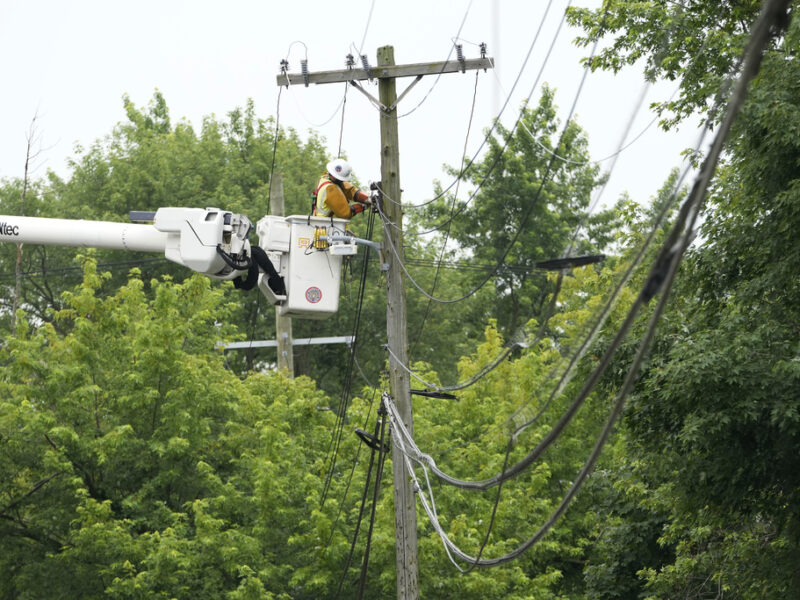
Storms this year left hundreds of thousands of DTE Energy customers in the dark. Planet Detroit wants to hear how outages affected you and your household.

Google data center wins final approval in Wayne County: What residents need to know
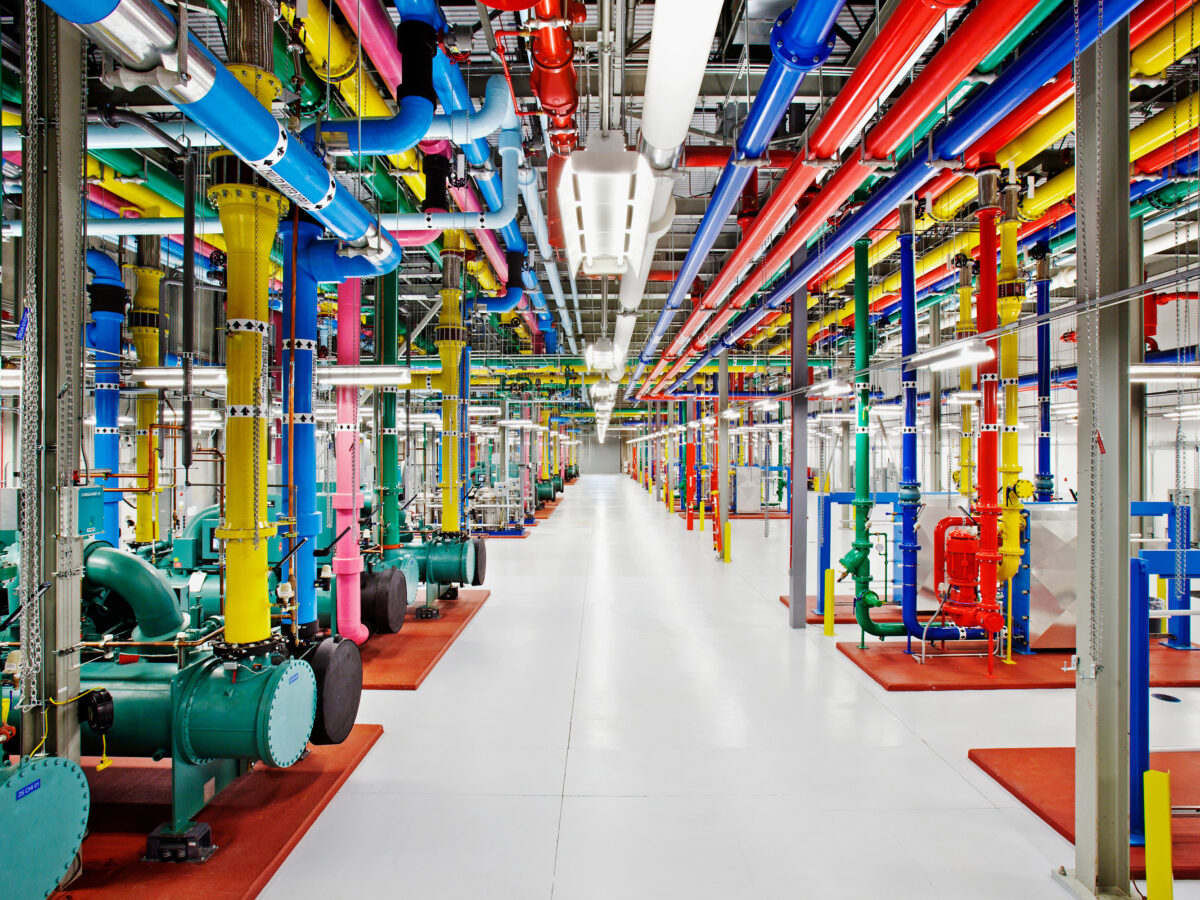
How Google’s Van Buren Township data center could impact water resources, air quality, utility bills, neighborhood noise levels, and more.

DTE Energy attacks $100 million fine for Zug Island pollution on appeal, says order for community funds ‘crossed a line’
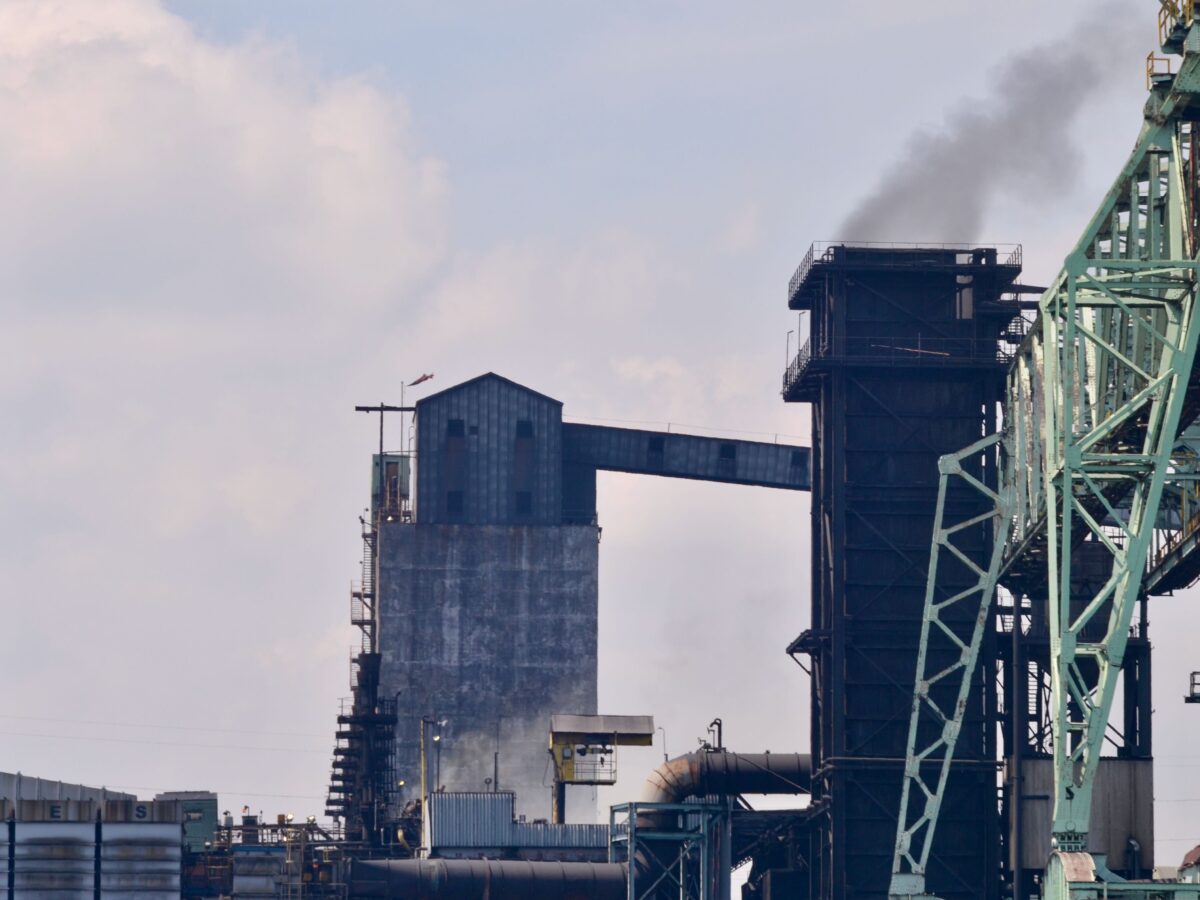
DTE is appealing a February federal court ruling that found Southeast Michigan’s electric service provider responsible for Clean Air Act violations by EES Coke Battery and entered a $100-million judgment against DTE.