

Overview:
- Southwest Detroit's 48217 zip code has some of the highest asthma rates in the country due to industrial pollution from facilities like Ford's River Rouge Plant
- Lifelong resident Clayton Cortez uses the ImproveDetroit app and grassroots organizing to address abandoned homes, illegal dumping, and environmental hazards in his neighborhood
- Cortez emphasizes community action over complaints, organizing block club meetings and connecting neighbors with resources to prevent further population decline
Planet Detroit’s neighborhood reporters are local residents who cover health, environment and climate issues in their neighborhoods. The Lab is made possible with the generous support of the Kresge Foundation.
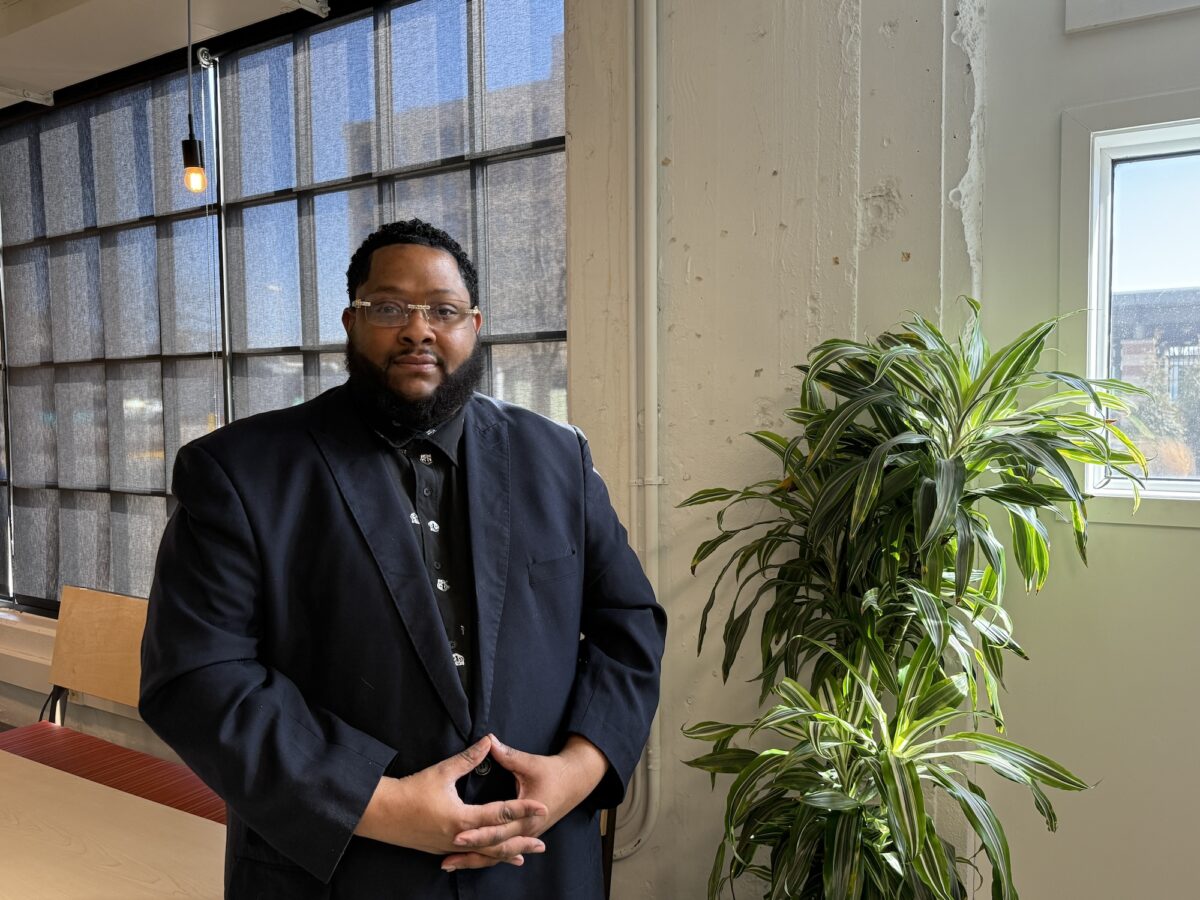
As a born-and-raised resident of Southwest Detroit, Clayton Cortez has lived through a host of neighborhood changes: flooding and power outages, the construction of the new Gordie Howe International Bridge, and persistent air pollution from heavy industry that has contributed to some of the highest asthma rates in the country. Deregulation and policy rollbacks will only make these problems worse.
The Boynton-Oakwood Heights neighborhood sits on the southern outskirts of Detroit, jutting south of the Rouge River within the 48217 zip code. Adjacent to Ford’s River Rouge Plant, this part of Detroit saw its population grow in the late 19th century as industries were established. As industry increased, so did pollution, in the form of emissions and blight. But people like Cortez, whose families have lived here for generations, plan to stay.
A multimedia journalist, filmmaker, and producer, Cortez has spent the past eight years raising awareness of the social and environmental issues his community faces. He spoke with Planet Detroit about growing up in Southwest Detroit, neighborhood change, and connecting problems to solutions.
What issues in your community are you most passionate about?
I’ve been living in Southwest all my life. My mom lived in Southwest Detroit, my dad lives in Southwest Detroit. My church is in Southwest Detroit. I bought a house in Southwest Detroit. So Southwest Detroit is home.
I take it upon myself to walk around my community and see what’s going on, and not just be a complainer, but a person of action. I love seeing improvements people are making: new landscaping, plants, someone boarding up an abandoned house. When I see that, I’m appreciative that everyone is working towards a great community.
How has your upbringing influenced your community work?
Despite Detroit being hailed as having a comeback, I’ve seen Southwest Detroit deteriorate. As a kid, my mom would say, “Stay away from that house,” or “Don’t go down this street,” or “Stay close to home.”
I see more abandoned homes, more garbage, and kids walking home from school past trash, dead animals, and abandoned lots. It hurts my heart when I drive home and see trash, abandoned buildings, fog in the air, people coughing. It hurts my heart that we’re living in this type of environment.
Detroit has a lot of history and a lot to offer, but we have the responsibility to make sure our community stays safe. Are we attending meetings? Are we taking advantage of block clubs and available grants? Are we writing to our elected officials, or trying to improve the schools? What are we doing to make this place better?
The last thing I want is a repetition of history, where people leave Detroit because of these issues. I want to find steps we can take together to improve our neighborhoods, make them a place to be proud to live in.
What solutions have you tried so far?
The Improve Detroit app is a great path to community change. When I see problems, I stop, take a picture, and upload it. The people from ImproveDetroit, they know me. A couple of days later, the trash is gone. I take pride in seeing that my efforts are worthwhile.
It takes initiative to connect communities with resources. I’m the “unofficial” block club president in my neighborhood. When we have block club meetings, I make and share flyers about ImproveDetroit. I spend time talking with my neighbors about the problems they’re seeing and potential solutions. Let’s not just be sad about what’s going on. Let’s take an action-based approach.
It’s easy to say, “Hey, my generation had it, and then someone else’s generation had it.” It’s almost like a generational curse. But I don’t want it to be a curse. Let’s break the curse. Let’s build up, let’s get our community better. I’m hoping that my efforts will inspire other people to make it better as well.

NEIGHBORHOOD REPORTING LAB STORIES
DTE Energy attacks $100 million fine for Zug Island pollution on appeal, says order for community funds ‘crossed a line’
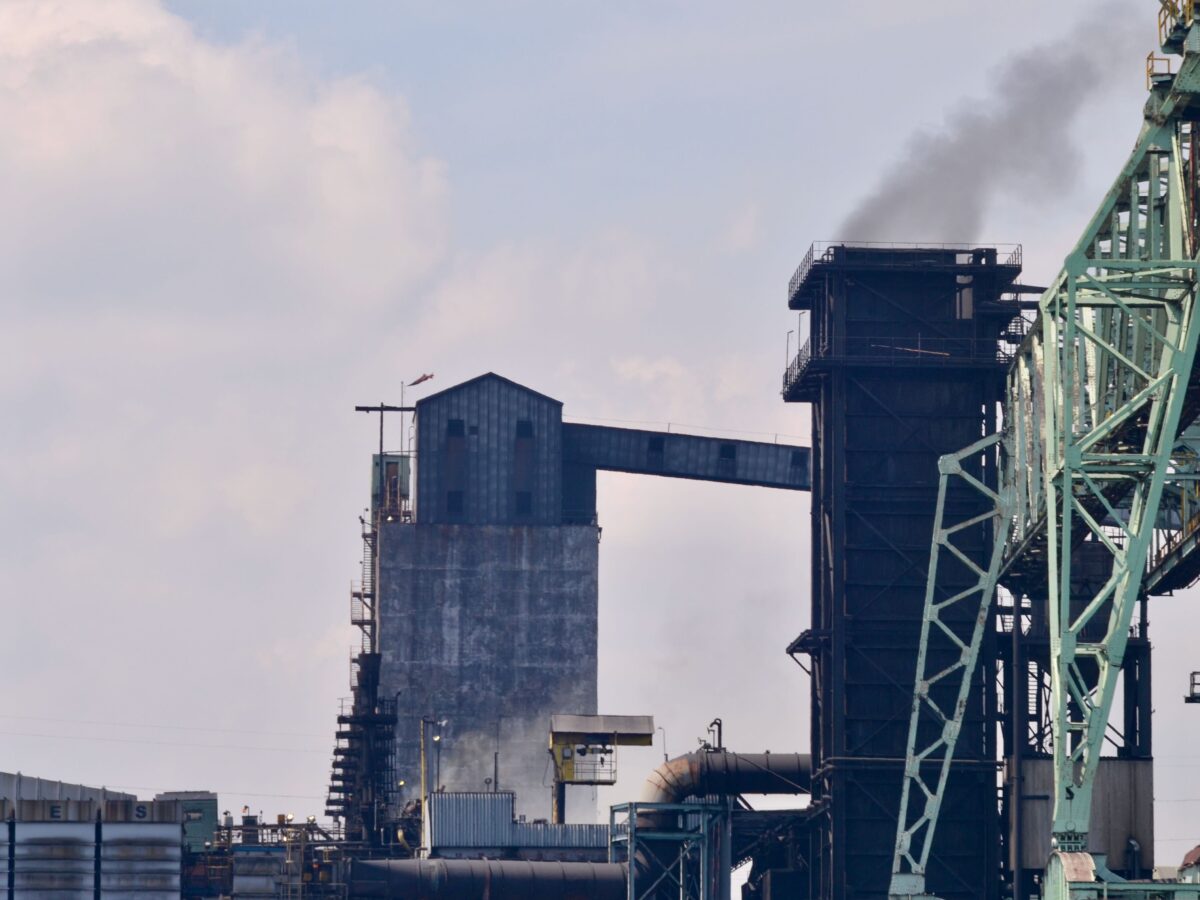
DTE is appealing a February federal court ruling that found Southeast Michigan’s electric service provider responsible for Clean Air Act violations by EES Coke Battery and entered a $100-million judgment against DTE.


Michigan environmental news: Consumers rate hike, SNAP rolls shrink, Joe Louis Greenway funding
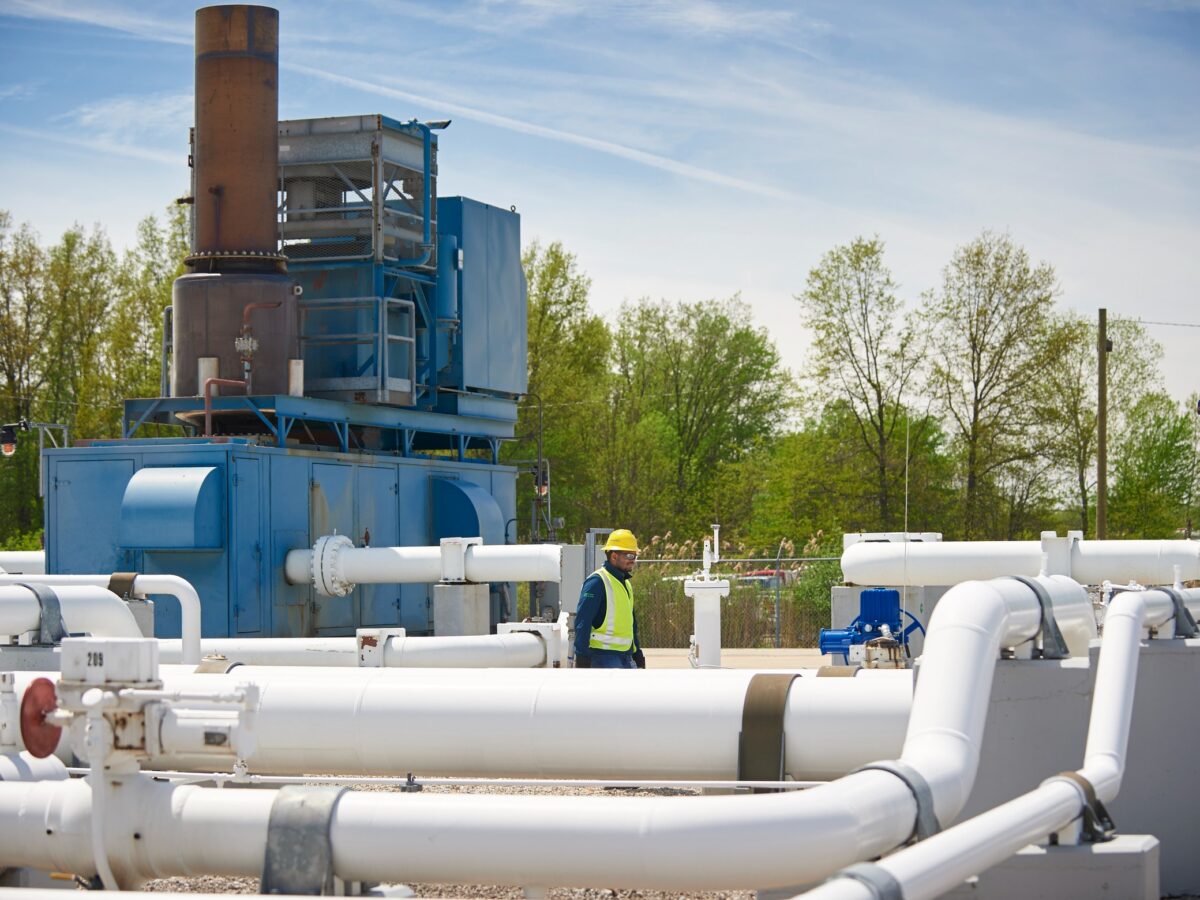
Consumers Energy customers will pay higher gas bills starting Nov. 1, Michigan food banks face surging demand as SNAP rolls shrink, and three wildfires burn across the Upper Peninsula.
Google data center secures Van Buren Township approval, with startup expected in late 2027
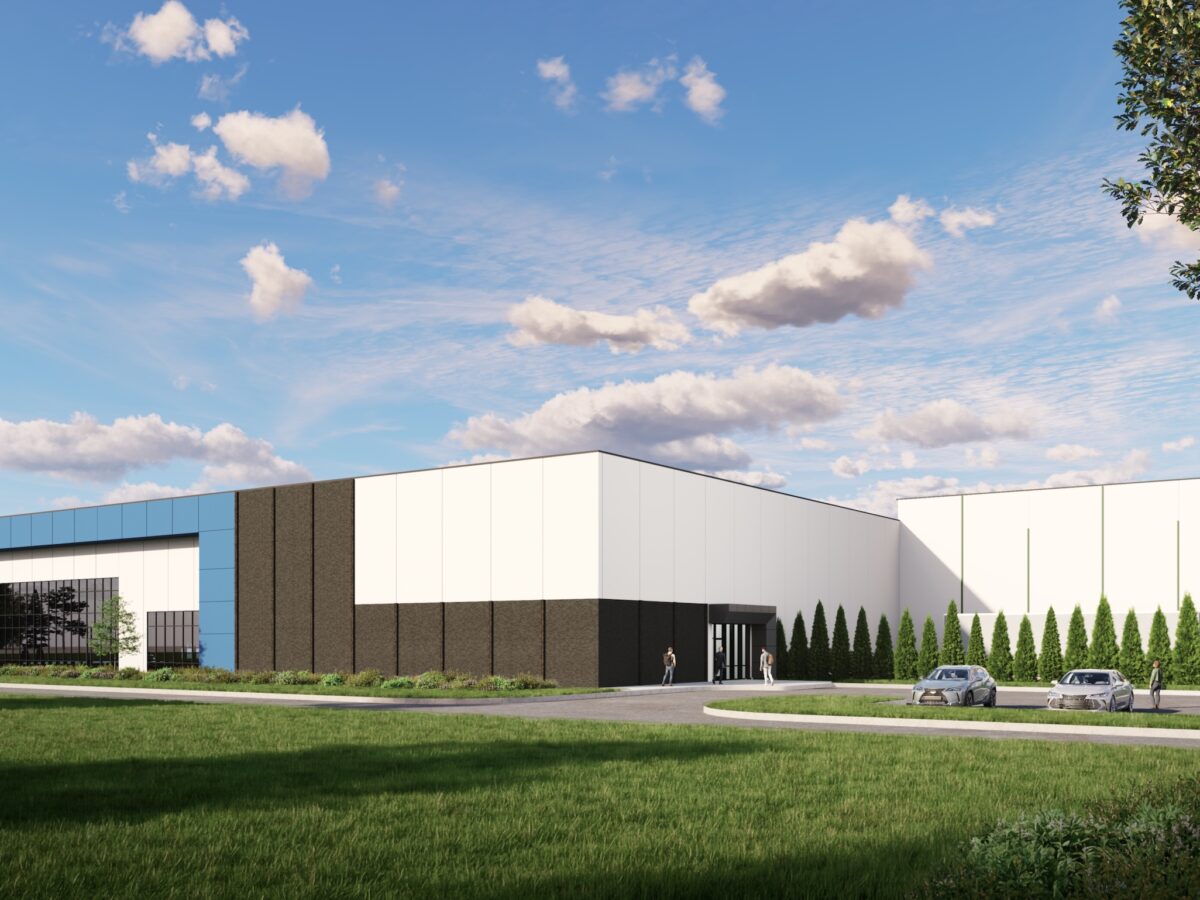
Van Buren Township’s planning commission approved Google’s data center site plan in a 5-1 vote Wednesday, despite concerns from nearby residents about construction noise, dust, and health impacts. The facility is expected to begin operations in late 2027.